
Imagine your website buzzing with eager shoppers, organic traffic pouring in, and your brand standing tall among fierce competitors. The secret lies in building authority around your brand online, and that’s where link-building comes into play.
Welcome to the Ultimate Guide to Ecommerce Link Building in 2025, your ticket to unlocking the power of online reputation and skyrocketing your online success.
Link building, simply put, is the art of having other websites refer to your ecommerce website. It’s like having a chorus of voices, singing praises about your brand and directing a flood of new traffic straight to your virtual storefront. Think of it as the digital word-of-mouth that not only elevates your online reputation but also drives targeted customers to your website, resulting in increased sales and growth.
Here’s a mind-boggling fact: Google, the king of search engines, considers backlinks as one of the top three ranking factors for websites.
This means that having a strong network of high-quality links pointing to your ecommerce site can catapult you to the top of search engine results pages. As a result, you gain more visibility, attract organic traffic, and open the floodgates to a world of new opportunities.
Let’s ask ourselves some crucial questions:
Are we fully harnessing the power of link building? Are we actively forging relationships with influential bloggers and websites in our industry? We are aware of the latest trends and techniques that can give us the competitive edge in 2025?
This comprehensive guide is the compass, providing with practical steps, expert insights, and real-world examples to help master the art of ecommerce link building in 2025.
Ecommerce link building in 2025 is a crucial strategy to enhance your online presence and attract targeted customers. It’s essential to stay updated with the latest trends and techniques to gain a competitive edge.
What is Ecommerce Link Building?
Ecommerce link building is an essential aspect of establishing your brand’s authority and driving targeted traffic to your online store. By strategically securing hyperlinks from influential websites, you can boost your website’s visibility and credibility.
In the world of virtual boutiques and premium products, ecommerce link building acts as a beacon, guiding potential customers to your store. Imagine fashion blogs, lifestyle magazines, and industry insiders in 2025 pointing their readers to your website through hyperlinks. These endorsements not only bring in targeted traffic but also signal to search engines that your brand is highly regarded. As a result, your website climbs the search engine rankings, outshining competitors and attracting even more potential customers.
However, it’s crucial to remember that ecommerce link building is not merely a popularity contest. It’s about building a reputation of authority and trust according to Latif Hamilton founder of The Growth Operative and Fashion SEO expert. When other websites link to your store, it signifies a vote of confidence in your brand. Search engines recognize this and view your website as a reliable and credible source. Consequently, your website becomes a magnet for relevant traffic, drawing in customers who are genuinely interested in your offerings.
Mastering ecommerce link building in 2025 is key to establishing your brand’s online presence and driving targeted traffic to your store. By implementing effective strategies and staying informed of the latest trends, you can harness the power of link building to propel your online success.
The Benefits of Ecommerce Link Building in 2025 (Graphical Representation)
The benefits of ecommerce link building in 2025 are significant and can greatly impact the success of your online store. Here are some of the key advantages:
- Increased organic traffic
Imagine having a steady stream of eager shoppers finding their way to your virtual storefront. That’s the power of ecommerce link building. By strategically acquiring backlinks from authoritative websites and influencers in your niche, you can attract more organic traffic. These are people who are actively searching for products or information related to what you offer, making them highly valuable visitors to your site.
- Improved search engine rankings
Search engines, like Google, consider backlinks as a vote of confidence from other websites. When reputable sources link to your ecommerce site, search engines perceive it as a signal that your store is trustworthy and relevant. As a result, your website climbs higher in search engine rankings, making it more visible to potential customers. So, by investing in effective link building strategies, you can secure prime real estate on search engine results pages and leave your competitors in the dust.
- Enhanced brand visibility and authority
Link building goes beyond the technical aspects of SEO; it helps you build a strong brand presence online. When your store is mentioned and linked to by industry influencers, bloggers, and respected websites, your brand gains exposure to their loyal audience. This not only expands your reach but also positions your brand as an authority in the eyes of consumers. People are more likely to trust and choose a brand they perceive as credible and influential, and effective link building can help you achieve precisely that.
By incorporating effective ecommerce link building strategies in 2025, you can experience the benefits of increased organic traffic, improved search engine rankings, and enhanced brand visibility and authority.
Why Is Link Building Crucial for Ecommerce?
The importance of link building for ecommerce in 2025 lies in the fact that it helps your online store stand out in a competitive landscape and gain credibility and trust. In an era where consumers have numerous options, link building enables you to earn valuable endorsements from trusted websites, influencers, and industry leaders.
Imagine running an online store that specializes in handmade jewelry. When a popular fashion blog features a glowing review of your exquisite pieces and includes a link to your website, your store instantly gains credibility and exposure. Potential customers discover your brand through a trusted source, increasing the likelihood of them visiting your website and making a purchase. Additionally, search engines like Google consider these endorsements as votes of confidence, recognizing your store’s authority and relevance. This recognition can lead to higher search engine rankings, further increasing your visibility and attracting more potential customers.
Link building acts as the cornerstone of building your ecommerce empire in 2025. It amplifies your online visibility, drives targeted traffic to your store, and establishes your brand as a trusted and influential player in your industry. It differentiates your online store from the competition and positions you as the go-to destination for your target audience.
To propel your ecommerce business to new heights in 2025, embracing the power of link building is essential. By implementing effective link building strategies, you can boost your brand’s reputation, increase traffic, and ultimately drive sales and growth.
Crafting an Effective Ecommerce Link Building Strategy
In the realm of link building, quality reigns supreme. It’s not about amassing a massive number of mediocre backlinks; it’s about securing high-quality links from authoritative sources. These are the links that hold the key to your website’s success in search engine results pages (SERPs).
So, what are some powerful link building strategies that can elevate you ecommerce store to new heights? Let’s explore a few game-changing techniques that can make a significant impact on your online presence.
-
Broken link building
Here’s the deal: Many websites suffer from broken links, leading nowhere but disappointment. You can turn this problem into an opportunity by finding these broken links on relevant blogs and proposing to replace them with a link to your website that offers similar content. It’s a win-win situation where you gain valuable backlinks while helping the linking website eliminate those frustrating broken links. This is a strategy that nearly everyone can apply as, according to a Semrush study, over 42% of websites have broken links.
-
Skyscraper technique
Next, we have the Skyscraper technique, a brainchild of Brian Dean from Backlinko.com to grow search traffic by 110% in two weeks. This strategy follows a three-step process:
- find content that already has a significant number of backlinks,
- create something even better, and
- reach out to the right people.
By creating content that surpasses the existing “skyscraper” content in terms of length, freshness, design, and comprehensiveness, you’ll have a compelling reason to approach website owners who have already linked to similar articles. Pitch your superior content to them and watch your backlink count soar.
-
Resource link building
By creating a comprehensive resource guide tailored to your target audience, you can attract quality backlinks from trusted sites. Compile your guide using resource pages from authoritative sites and blogs, and then reach out to the websites you’ve linked to. This engagement can lead to them appreciating your article and possibly linking back to your content.
-
Guest blogging

Guest blogging, a tried-and-true strategy, still holds tremendous value when done right. Rather than writing generic guest blogs for any website, focus on strategic and authentic collaborations within your niche. Craft unique and relevant articles that resonate with the target website’s audience, offering valuable insights and establishing yourself as an authoritative voice.
The rewards?
- Higher rankings,
- increased traffic, and
- qualified leads.
-
Infographic link building
Though many doubt the effectiveness of infographics, studies have shown that they help increase website traffic by up to 12%. Infographics have a few advantages as a link-building strategy. They visually present data, statistics, research, and findings in a captivating way. By incorporating infographics into your content, you can naturally generate organic traffic and attract quality links without extensive outreach efforts.
-
Quality over quantity
As you embark on your ecommerce link building journey, remember that quality triumphs over quantity. Implement these strategies with dedication, and watch your website climb the ranks, attracting targeted traffic, and achieving online dominance. The path to ecommerce success is paved with high-quality links, so get ready to unleash the true potential of your online store.

-
Authority
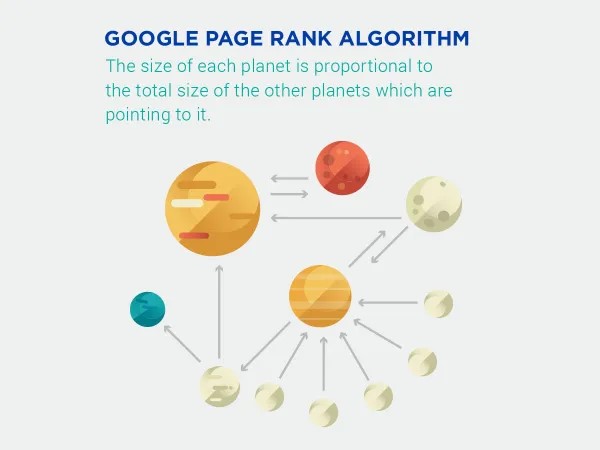
The quality of the backlinks you secure depends on the authority of the websites linking to your content.
But how do you determine the authority of a website?
It goes beyond simply ranking first in ecommerce search results. Metrics, rankinks, content quality, and audience engagement all play a role in assessing authority.
When you get a link from a high-authority website, Google and the other search engines assume that you’re also a high authority brand.
To make this process easier, tools like Semrush can be your trusted ally in uncovering the hidden gems of authoritative websites.
-
Diversity
In the intricate tapestry of link building, diversity is the thread that weaves a strong and resilient backlink profile. Embrace a variety of tactics and techniques to pursue links, ensuring a balanced approach that stands the test of time. You have a myriad of options at your disposal, falling under three categories: content, research, and community. From guest blogging and infographic promotion to resource pages, broken link building, and partnerships, diversity is your secret weapon for link-building success.
-
Consistency
Link building is not a one-time endeavor; it’s a continuous journey that requires consistency and perseverance. Building quality links and establishing relationships with authority websites take time and effort. Moreover, consistency in creating and posting valuable content is crucial to positioning yourself as an industry authority. It’s a virtuous cycle—consistently posting engaging content not only captures attention but also boosts your website’s rankings in search results.
Advanced Ecommerce Link Building Techniques for 2023
Now that we have a solid understanding of the fundamentals, it’s time to take your ecommerce link building game in 2023 to the next level. These cutting-edge strategies will propel your online store to greater success, ensuring your brand stands out in the digital realm. Buckle up and prepare to unleash the full potential of your ecommerce venture!
-
Influencer Partnerships
In the era of social media dominance, influencers wield immense influence over consumer behavior. Collaborating with influential personalities who align with your brand values can unlock a world of possibilities for link building and brand exposure. By forming strategic partnerships, you can tap into their engaged follower base, leverage their authority, and secure powerful backlinks. The key lies in finding influencers who resonate with your target audience and creating mutually beneficial collaborations that drive both traffic and conversions.
-
User-Generated Content and Reviews
There’s something magical about genuine recommendations and reviews from satisfied customers. User-generated content and customer reviews not only instill trust in potential buyers but also serve as valuable link building assets. Encourage your customers to share their experiences and opinions about your products and services on their blogs, social media platforms, or industry forums. Their authentic content can attract new customers while earning you coveted backlinks from sources you may have never reached otherwise.
-
Social Media and Community Engagement
Social media platforms have become vibrant communities where connections are made, and traffic is driven. Engaging with your audience on platforms like Instagram, Facebook, and Twitter is a powerful way to build relationships and drive link building opportunities. Actively participate in industry-related groups and forums, providing valuable insights, answering questions, and sharing your expertise. By positioning yourself as a go-to resource in your niche, you attract attention from influential figures and secure organic backlinks from reputable sources.
-
Unlinked Mentions
This advanced strategy revolves around having people discuss your product or website in a positive or neutral tone, even without linking back to you. To leverage unlinked mentions, follow these steps: utilize tools to identify unlinked mentions of your brand, check the authority of the websites mentioning you to gauge their value, find their contact information, and reach out to ask them to include a link to your content. This approach is particularly effective for brands with a strong online presence and can result in valuable backlinks from reputable sources.
-
HARO (Help a Reporter Out)
HARO is a remarkable link-building tool that allows you to showcase your expertise to reporters seeking insights relevant to your business or industry. By responding to their queries and providing valuable information, you not only increase your chances of being featured but also earn a coveted backlink to your website. HARO serves as a powerful platform for establishing your authority, attracting attention from journalists, and gaining high-quality backlinks in the process.
In the changing world of ecommerce link building in 2023, these advanced techniques hold the key to unlocking new opportunities and gaining a competitive edge.
5 Link-Building Tools You Need to Know in 2023

-
SEMrush: The Swiss Army Knife of Link-Building Tools
When it comes to link-building tools, SEMrush is a true powerhouse. It goes beyond just link building, offering a comprehensive suite of SEO tools that provide incredible value for your money. With SEMrush, you can identify link opportunities, analyze your backlinks, conduct outreach campaigns, and even perform bulk analysis to vet links. It’s an all-in-one solution that covers all your link-building needs. Try it for free for 7 days and see how it can supercharge your SEO efforts.
-
Linkody: Tracking and Analyzing Backlinks Made Easy
If you’re looking for a straightforward and affordable tool to track and analyze your backlinks, Linkody is worth considering. With its user-friendly interface, you can gain insights into your backlink profile and easily identify any toxic links that need to be disavowed. While it may not offer extensive features for finding link-building opportunities, Linkody excels in providing essential backlink analysis capabilities. Best of all, you can try it for 30 days without providing your credit card details.
-
Majestic: Unleash the Power of Link Context
Majestic is a comprehensive link-building toolkit that can fulfill all your business needs. From discovering valuable link opportunities to analyzing your backlink profile, Majestic offers a wide range of features to boost your SEO efforts. One standout feature is Link Context, which allows you to find links based on their position within a page. In addition to its link-building capabilities, Majestic also provides valuable SEO features like keyword research. Give it a try and explore the depths of link building with Majestic.
-
Ahrefs: Uncover Link Growth and Dominate Your Niche
Ahrefs is another heavyweight in the link-building arena, offering a vast array of SEO and marketing tools. Similar to SEMrush, Ahrefs provides end-to-end link-building capabilities, including bulk analysis for link vetting. One of its standout features is the ability to sort your pages by link growth, enabling you to identify which pages are attracting the most backlinks. This valuable insight allows you to replicate successful strategies and dominate your niche. While there’s no free trial available, you can test it out for 7 days by paying a nominal fee.
-
Pitchbox: Influencer Outreach and Beyond
Pitchbox is not your average email marketing platform. It’s a specialized influencer outreach and link-building platform that caters to businesses and agencies alike. With Pitchbox, you can easily find and connect with top influencers and publishers in your industry. Its integrated SEO tools, such as SEMrush, Moz, and Majestic, provide valuable metrics for link vetting. Although pricing information is not readily available, Pitchbox offers a powerful solution for link outreach and prospecting.
In the fast-paced world of SEO, having the right link-building tools can make all the difference. Explore these top tools of 2023 and take your link-building strategies to new heights.
Final Word
As we conclude our exploration of advanced ecommerce link building techniques for 2023, it’s clear that the digital landscape continues to evolve, presenting immense opportunities for online store owners. By embracing these cutting-edge strategies, you can amplify your brand’s visibility, authority, and reach, driving targeted traffic and securing valuable backlinks.
From influencer partnerships to user-generated content, social media engagement, unlinked mentions, and leveraging HARO, each technique brings its unique power to bolster your link building efforts. Remember, relevance, authority, diversity, and consistency are key principles to guide your strategy, ensuring that your backlink profile remains strong and resilient in the ever-changing algorithms of search engines.
In this dynamic era of ecommerce, staying ahead of the curve is essential. Continuously monitor industry trends, adapt to new technologies, and seize emerging opportunities. Regularly evaluate the success of your link building campaigns, analyzing metrics and adjusting your approach as needed to maximize results.
By incorporating these advanced techniques into your link building arsenal, you’ll elevate your online store’s visibility, attract a highly targeted audience, and establish your brand as a trusted authority in your industry. With dedication, creativity, and a forward-thinking mindset, you can unlock the full potential of your ecommerce venture and achieve remarkable success in 2023 and beyond.
So, step into this exciting new chapter, armed with advanced link building strategies, and watch as your online store thrives in the ever-expanding digital landscape. Remember, your journey towards ecommerce success continues, and there’s no limit to what you can achieve with the right approach to link building.
FAQs
How do I get backlinks in 2023?
To acquire backlinks in 2023, focus on creating high-quality content that provides value to your target audience. Develop a comprehensive content marketing strategy, promote your content through various channels, and engage with influencers and industry experts. Additionally, leverage guest blogging, outreach campaigns, and partnerships to earn backlinks from authoritative websites.
What is the best link building strategy?
The best link building strategy in 2023 involves a combination of tactics. Start by conducting thorough research to identify relevant and authoritative websites in your niche. Then, create exceptional content that naturally attracts backlinks. Reach out to website owners, bloggers, and influencers to build relationships and secure guest posting opportunities. Utilize social media, online directories, and resource pages to diversify your backlink profile.
Does link building still work?
Yes, link building still plays a crucial role in SEO. While search engines have become more sophisticated in evaluating links, high-quality backlinks from reputable sources remain a strong ranking factor. However, the focus has shifted to quality over quantity. Building authoritative and relevant links through ethical practices is essential for long-term SEO success.
How can we create successful link building to a website?
To create successful link building for your website, start by conducting a thorough audit of your current backlink profile and identifying areas for improvement. Develop a link-building strategy that includes creating outstanding content, leveraging relationships with influencers and industry experts, and actively seeking opportunities for guest posting and partnerships. Additionally, monitor and analyze your link-building efforts to refine your approach and adapt to changing SEO trends.
How do I create an SEO strategy for 2023?
To create an SEO strategy for 2023, begin by conducting keyword research to identify relevant and valuable keywords for your website. Optimize your website’s on-page elements, including meta tags, headings, and content, to align with these keywords. Focus on delivering exceptional user experiences, optimizing for mobile devices, and improving page load speed. Implement a comprehensive content marketing strategy, actively build high-quality backlinks, and leverage social media to enhance your online presence and visibility. Regularly monitor and analyze your SEO efforts to make data-driven optimizations.