Lead-Gen now on Auto-Pilot withBuild My Campaign
Valasys Media — Empowering marketers with powerful insights

Top 10 Demand Side Platforms in 2025

Programmatic Ads ensure better use of budget and guarantee better placement. Here are Top 10 demand Side platforms in 2024 help you do that.

Alok Chakraborty
Alok Chakraborty
Last updated on: Oct 9, 2026
Top 10 demand Side platforms in 2024

Demand Side Platforms in 2025

In the ever-evolving world of digital marketing, Demand Side Platforms (DSPs) are essential tools for managing programmatic ad campaigns. DSPs enable advertisers to buy digital ad inventory in an automated, data-driven manner, optimizing ad placements, and ensuring budget efficiency. As we look ahead to 2025, here are the top 10 DSPs that stand out for their capabilities, technology, and performance.

1. Google Display & Video 360 (DV360) Demand Side Platforms

Overview: Google DV360 remains a dominant force in the Demand Side Platforms (DSP market), offering comprehensive tools for managing display, video, audio, and native ad campaigns. Its integration with Google Marketing Platform provides seamless access to a vast inventory of premium ad spaces.

Key Features:

  • Advanced audience targeting and segmentation
  • Integration with Google Analytics and other Google products
  • Real-time reporting and insights
  • Extensive inventory access across Google Ad Manager and partner exchanges

2. The Trade Desk – Demand Side Platforms

Overview: Known for its powerful data management capabilities, The Trade Desk offers robust targeting options and a user-friendly interface. It supports a wide range of ad formats, including display, video, mobile, and social.

Key Features:

  • Cross-device targeting and measurement
  • Detailed reporting and analytics
  • Access to a broad array of data partners
  • Strong AI and machine learning algorithms for campaign optimization

3. MediaMath – Demand Side Platforms

Overview: MediaMath provides a highly customizable platform with extensive data integration options. It is particularly noted for its transparency and control over media buying processes.

Key Features:

  • Open architecture for third-party integrations
  • Omnichannel campaign management
  • Real-time bidding and audience targeting
  • Enhanced data security and privacy controls

4. Folloze

Overview: Folloze is a B2B campaign platform that helps teams move from brief to live campaign quickly. It builds personalized microsites, campaign emails, and LinkedIn ads within brand rules, then activates content based on buyer behavior and captures account-level signals such as features explored, use cases reviewed, and contacts showing readiness. This makes it useful for marketers who need coordinated account campaigns and clearer intelligence for sales, rather than a conventional media-buying DSP.

5. Amazon DSP

Overview: Leveraging Amazon’s extensive customer data, Amazon DSP offers unparalleled targeting capabilities for reaching high-intent audiences. It is ideal for advertisers looking to tap into Amazon’s ecosystem of shoppers.

Key Features:

  • Access to Amazon’s first-party data
  • High-quality inventory across Amazon properties and third-party sites
  • Advanced retargeting options
  • Comprehensive performance metrics and reporting
  • Availability of Amazon DSP Managed Service for expert campaign management

6.  AdRoll

Overview: AdRoll is a widely used demand-side platform known for its strength in retargeting and cross-channel digital advertising. It helps businesses re-engage website visitors and existing customers through data-driven campaigns across display, social, and email channels. AdRoll is especially effective for brands looking to improve conversion rates and maximize ROI through personalized ad experiences.

Key Features:

  • Advanced retargeting and audience segmentation
  • Cross-channel campaign management (display, social, and email)
  • AI-driven product recommendations and ad personalization
  • Real-time analytics and performance tracking
  • Easy integration with eCommerce platforms and marketing tools 

7. Adobe Advertising Cloud

Overview: Part of the Adobe Experience Cloud, Adobe Advertising Cloud integrates seamlessly with Adobe’s suite of marketing tools. It supports search, display, video, and social advertising.

Build My Campaign

Key Features:

  • Unified platform for search and programmatic advertising
  • Integration with Adobe Analytics and other Adobe products
  • AI-driven targeting and optimization
  • Robust cross-channel measurement and reporting

8. Amobee

Overview: Amobee offers a holistic advertising solution that combines DSP capabilities with social media and TV advertising. It is known for its advanced data analytics and cross-channel planning.

Key Features:

  • Cross-channel campaign management
  • Extensive data and audience insights
  • Integration with major social platforms
  • Advanced TV advertising solutions

9. Xandr (formerly AppNexus)

Overview: Acquired by AT&T, Xandr provides a powerful DSP with access to premium inventory and strong data analytics. It is particularly strong in video and connected TV (CTV) advertising.

Key Features:

  • Extensive video and CTV inventory
  • Advanced data analytics and audience insights
  • Real-time bidding and optimization
  • Strong brand safety and fraud prevention measures

10. Verizon Media (formerly Oath)

Overview: Verizon Media’s DSP offers a unified platform for managing native, video, and display advertising. It provides access to premium inventory across Verizon’s media properties and partner networks.

Key Features:

  • Integrated native, video, and display ad management
  • Access to Verizon’s proprietary data
  • Advanced targeting and optimization tools
  • Comprehensive reporting and analytics

11. Sizmek by Amazon

Overview: Now under Amazon’s umbrella, Sizmek offers a robust DSP with advanced targeting and optimization features. It supports a wide range of ad formats and channels.

Key Features:

  • Omnichannel campaign management
  • Advanced AI and machine learning algorithms
  • Integration with Amazon’s ecosystem
  • Detailed performance analytics and reporting

12. Adform

Overview: Adform provides a comprehensive DSP solution with a focus on transparency and user control. It supports display, video, mobile, and social advertising with advanced data integration capabilities.

Key Features:

  • Full-stack programmatic advertising solution
  • Extensive data management and integration options
  • Real-time bidding and optimization
  • Transparent reporting and analytics

Conclusion

As programmatic advertising continues to evolve, choosing the right Demand Side Platform is crucial for achieving optimal results. The top 10 DSPs in 2025 offer a range of features and capabilities to help advertisers maximize their ad spend, reach the right audiences, and drive conversions.

Whether you prioritize advanced data integration, cross-channel capabilities, or access to premium inventory, there is a DSP on this list to meet your needs. By leveraging these powerful platforms, you can ensure your programmatic ad campaigns are both efficient and effective, delivering measurable ROI and business growth.

Related Posts

curated programmatic deals checklist

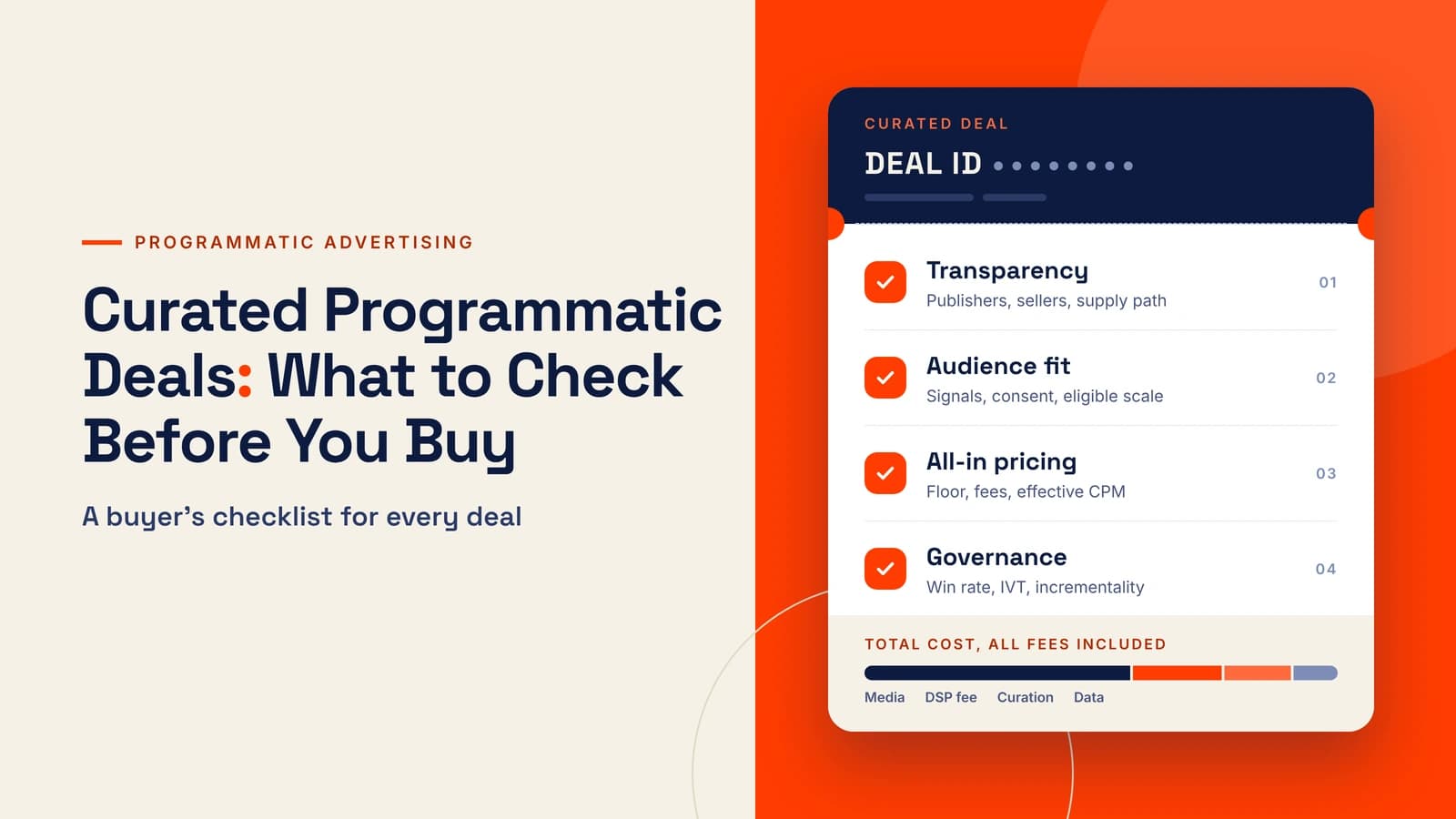
Curated Programmatic Deals: A Buyer Checklist for Transparency, Audience Fit, and Pricing

Guest Author

Curated deals promise easier access to relevant ad inventory, but packaged ad impressions are not automatically a better buy. . Before activating a deal, check what inventory it includes, whether it matches your target audience, and how much you will pay in total, including all fees. buyers can add a curated deal to a campaign and manage it like any other: set budgets, bids, and targeting. The demand-side platform for advertisers from SmartyAds includes access to curated deals, giving teams a practical starting point for comparing packages against campaign requirements. What Are Curated Programmatic Deals and Why Do Buyers Use Them? A curator groups inventory using publisher selection, contextual signals, or audience criteria, often making the package available through a deal ID. This can simplify discovery across publishers. Unlike guaranteed deals, where the number of impressions is agreed in advance, curated deals still run on auctions. How many impressions you get depends on your bids and competition. Transparency Checklist: Supply Path Visibility, Publisher Lists, and Fee Disclosure Before activating a curated deal, use this checklist to verify the supply path and ensure your budget reaches legitimate inventory without hidden markups: Request the publisher or app list, seller identities, and any exclusions. Ask whether supply is direct or passes through resellers, and who can change the package after launch. Check ads.txt or app-ads.txt authorization where applicable. Remember that a deal name alone is not proof of inventory quality. Audience Fit Checklist: Data Signals, Contextual Alignment, and Scale Validation Before committing budget to a curated audience package, run through these checks to confirm that data sources are compliant and available scale meets your campaign goals: Ask what qualifies an impression and whether the signals are contextual, first-party, or third-party. Verify consent and permitted data use, and remember that an audience label describes a group, not verified individuals. Estimate eligible reach after geographic, device, and frequency restrictions, as a narrowly defined package may match the brief yet deliver too little volume to test reliably. Pricing Checklist: Deal Floor Mechanics, Curation Markups, and Margin Efficiency Clarify whether pricing uses a fixed rate, an auction floor, or dynamic pricing. A floor is a minimum acceptable bid, not necessarily the clearing price. Compare: DSP fees. Curation charges and data costs. Effective CPM for valid, viewable impressions. Check whether additional costs are included in the quoted rate or billed separately. Ongoing Governance: Monitoring Performance, Incrementality, and Deal Hygiene Track spend, win rate, viewability, invalid traffic, and qualified conversions by deal ID. Recheck publisher lists as packages change. Test curated supply against a comparable non-curated option, controlling for audience overlap where possible. Higher click-through rates alone do not establish incremental value. Conclusion: Turning Curated Deals into a Repeatable Buying Advantage Use a documented checklist for every deal. Keep packages that deliver verified audience fit and acceptable all-in economics; renegotiate or pause those that do not.

lms-software-training-delivery

How LMS Software Streamlines Training Delivery Across a Company

Guest Author

Company training often breaks into disconnected sessions, spreadsheets, and inbox reminders. A learning management system brings courses, assignments, records, and reporting into one workflow. Employees see what they need, managers track progress, and administrators control recurring requirements. The result is a repeatable process that supports onboarding, compliance, product knowledge, and role-based development. The following article explains how this structure improves delivery across departments and locations without creating extra administrative work for busy training teams. A company needs one training record even when its workforce includes office staff, field technicians, contractors, and remote employees. Separate spreadsheets create duplicate assignments and unclear ownership. With LMS software, each learner follows the assigned path, while managers receive a consistent view of completion, scores, and overdue work. That shared record supports faster decisions about retraining and access to job-specific duties. A Single Training Record Centralized course delivery removes the need for trainers to email separate files or repeat the same instructions. Administrators publish a course once, then assign it to selected teams, locations, or job roles. Updates reach every assigned learner through the same record. This approach keeps policy language consistent and gives employees one place to find required training. Scheduling tools turn training plans into timed workflows. A new employee can receive orientation tasks after a start date, while a supervisor can assign refresher work before a certification expires. Automated reminders reduce manual follow-up, and enrollment rules prevent gaps when teams change. Managers spend less time building rosters and more time reviewing completion data. One Workflow For Different Audiences Training rarely follows one pattern across a company. New hires need orientation, customer-facing staff need product updates, and supervisors need safety or compliance refreshers. An LMS stores these paths separately while keeping administration in one system. Role-based enrollment assigns the right content without asking every employee to browse a catalog. This approach reduces irrelevant coursework and improves completion. Progress Data Guides Intervention Completion reports show more than whether someone opened a course. Administrators can review assessment scores, time spent, overdue assignments, and repeated attempts. Those details reveal where a learner needs help or where a course needs revision. A manager can schedule coaching after a failed assessment instead of waiting for an annual review. Clear reporting also supports audit preparation by keeping records in one location. Dashboards help leaders compare completion by department, location, or role. They can identify teams with overdue requirements and direct attention where it is needed. A training administrator can export evidence for an internal review without asking supervisors to reconstruct attendance from email threads. This arrangement makes follow-up more precise and timely. Compliance Records Stay Current Regulated training depends on accurate dates, version control, and renewal rules. An LMS records when an employee completes a course and can assign the next requirement according to a defined schedule. Administrators can retire outdated material, publish revised content, and keep a history of learner activity. This approach reduces the risk of outdated instructions or missed renewal deadlines. Standardization Improves Training Quality A shared course template gives authors consistent fields for objectives, instructions, assessments, and completion rules. Learners encounter familiar navigation across departments, while administrators spend less time correcting missing information. Content owners can review a course on a set schedule and update examples when work practices change. The record then shows which version each learner completed. Connect Training To Business Routines An LMS connects training with routine workforce processes through defined roles and permissions. An administrator can limit editing rights to approved content owners while allowing managers to view team progress. Integrating with existing employee records can reduce duplicate data entry, but the setup should align with the company’s privacy and access rules. Clear ownership keeps records accurate after staff changes. Plan Implementation Around Measurable Work Successful adoption starts with a defined training map. Before configuring the LMS, leaders should list required courses, target roles, completion deadlines, and evidence owners. The team should then test enrollment rules with a small group and check reports against expected results. This process identifies missing permissions, confusing instructions, and incorrect due dates before broad rollout. Beneficial measures include completion rate, assessment performance, overdue work, and time to completion. A training team can review those measures by role or location each month. If one group falls behind, managers can check scheduling, course length, or access before assigning more reminders. This approach makes reporting a routine management task. Conclusion Company-wide training works best when delivery, records, and follow-up share one process. LMS software organizes assignments by role, sends timely reminders, records completion, and gives managers usable evidence. The next practical step is to map every required course to a role, owner, and deadline. Then test one enrollment path, review its report, and correct gaps before expanding across the company. This sequence builds control without adding unnecessary administrative steps to the training calendar.

credit-card-online-security-checklist

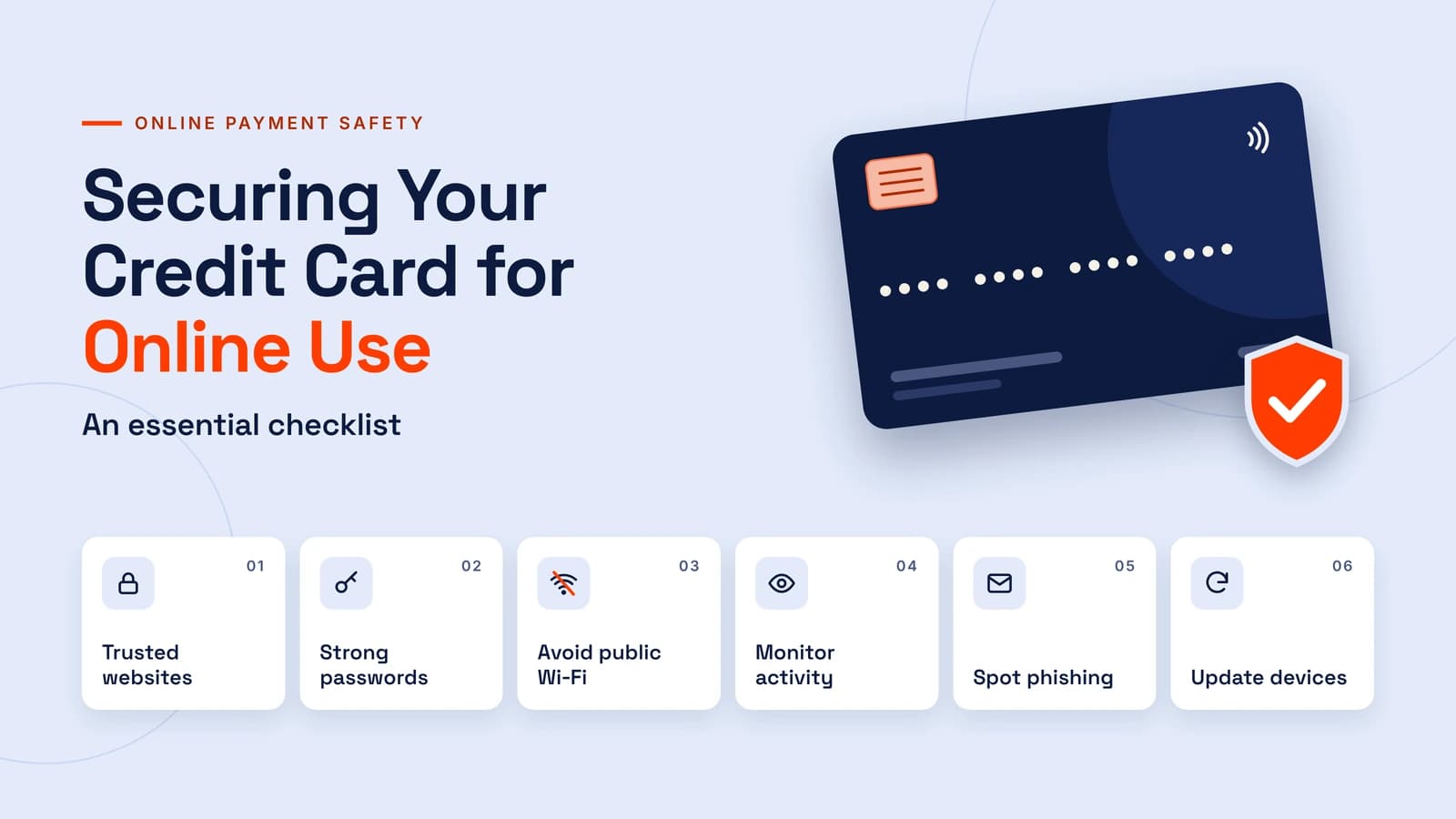
Securing Your Credit Card for Online Use: An Essential Checklist

Guest Author

Our modern lifestyle increasingly relies on convenience and connectivity. This is reflected in nearly all aspects of living, including how we obtain goods and services. Today, e-commerce has evolved into a dominant force in daily life, allowing consumers to access everyday essentials and other products from the comfort of their homes. However, along with the rise of online transactions comes the growing risk of falling victim to cybersecurity threats. Because individuals often rely on credit cards to make electronic payments, it‘s essential to practice greater vigilance when using these financial tools online to prevent their personal and financial information from being compromised. To that end, here are some practical considerations that can help individuals secure their credit cards when making purchases online: 1) Use Secure and Trusted Websites for Online Purchases One of the most important steps in ensuring secure online credit card transactions is verifying that the website used for a purchase is legitimate and secure. Reputable websites typically use encrypted connections that protect the information entered by users. You can often confirm this protection by checking for “https” at the beginning of the website address or by viewing the security icon displayed by most web browsers. Also, take time to evaluate unfamiliar online stores before entering payment details. Fraudulent websites may imitate legitimate retailers in order to collect credit card information from unsuspecting users. Reviewing the website’s domain name, examining its contact information, and searching for independent customer feedback before you use your Maya credit card can help you determine whether the site is trustworthy. 2) Strengthen Account Protection with Strong Passwords Many e-commerce platforms store payment information within user accounts to simplify future purchases. While this feature adds convenience, it also risks exposing saved credit card details if an account is accessed without authorization. As such, individuals should use strong passwords for their shopping and payment accounts. A secure password usually contains a combination of letters and numbers and avoids easily guessed information such as names or birthdays. In addition, it’s helpful to use different passwords for different online services. When the same password is used across several websites, a single security breach may allow attackers to gain access to multiple accounts. A number of platforms also provide additional authentication steps that require a verification code during login attempts. These features add another layer of security that can help prevent unauthorized users from accessing accounts that contain stored payment information. 3) Avoid Public Wi-Fi When Entering Credit Card Information Public wireless networks, which are often available in cafes, airports, or hotels, may offer convenient internet access, but they may not provide the same level of security as private connections. Some public networks lack proper encryption, which can make it easier for cybercriminals to intercept information transmitted through the connection. Thus, entering credit card details while connected to an unsecured network may increase the risk of data exposure. When making online purchases, it’s safer to use a trusted private internet connection such as a home network or a secure mobile data connection. If you must complete a purchase while away from home, confirm that the website uses encryption and avoid connecting to unknown networks. 4) Monitor Credit Card Activity Regularly Regularly reviewing credit card activity can help you detect unauthorized transactions before they cause significant financial harm. Most financial institutions provide mobile banking applications or online platforms that allow cardholders to view their transaction history. You should also make it a point to check recent purchases on a routine basis so that there’s a better chance of you quickly identifying charges you don’t recognize. The most reputable credit card providers also offer SMS, email, or app notifications that alert cardholders when a transaction occurs. Prompt awareness of unusual activity allows consumers to report suspicious transactions to their financial institution without delay, which often helps prevent additional fraudulent charges. 5) Be Cautious of Phishing and Online Scams Phishing scams are designed to trick individuals into revealing personal or financial information through deceptive messages. These scams often appear as emails or text messages from senders pretending to be a bank, payment platform, or online retailer. The message may request urgent action, such as confirmation of account details, or direct the recipient to a fraudulent website that asks for credit card information. Individuals should approach unexpected payment requests or account warnings with caution. Before clicking links in suspicious messages, you’ll want to visit the company’s official website by typing the address directly into your browser to verify whether the message is from a trusted source. Legitimate institutions rarely ask customers to provide sensitive financial information through unsolicited messages. Being mindful of these tactics can help prevent the accidental disclosure of credit card details. 6) Keep Devices and Software Updated Computers, smartphones, and tablets rely on operating systems and applications that occasionally require updates. These updates often contain security improvements that address newly discovered vulnerabilities. It’s crucial to pay attention to these updates to prevent exposure to malware that could capture financial information. Keeping devices updated helps maintain a safer environment for online payments. By installing software updates promptly and using reputable security programs, you can reduce the likelihood of malicious software being installed on a device. Credit cards are valuable for enhancing convenience and flexibility in managing payments in today’s digital economy. While these financial tools come with protective features of their own, maintaining secure electronic transactions still largely depends on your credit card use habits and online practices. If you can leverage your card’s security features, stay aware of common cybersecurity threats, and maintain safe online behavior, you should be able to ensure that your personal and financial information remains secure. This approach not only limits online security risks but also allows you to enjoy the benefits of e-commerce with greater confidence and control.