

How Autonomous Delivery Systems Are Changing Last-Mile Logistics
How autonomous delivery systems are transforming last-mile logistics through automation, faster deliveries, improved operational efficiency.

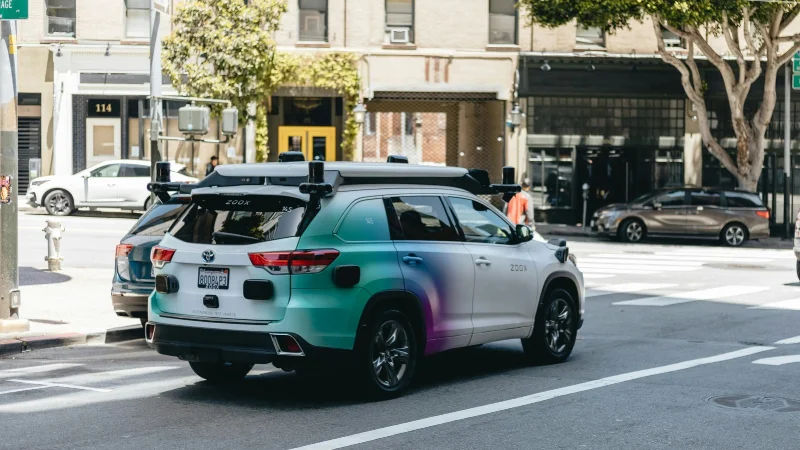
Last-mile logistics has become one of the most challenging parts of modern supply chain management. Businesses must deliver products quickly, manage transportation costs, handle unpredictable traffic conditions, and meet rising customer expectations.
There are many options businesses are relying on to streamline last-mile delivery. For instance, combining traffic-aware route planning, adaptive algorithms, and predictive simulations can help delivery vehicles respond to congestion and unexpected road disruptions.
A study shows that this approach reduced total operational costs by 24.3% and improved on-time delivery rates from 68.1% to 92.8%. It also decreased exposure to traffic congestion by 54.4%.
However, these solutions still require significant human time, costs, and other resources. Autonomous delivery systems are emerging as one possible solution. From aerial drones to sidewalk delivery robots and self-driving vehicles, these technologies are changing how businesses move goods from distribution centers to customers.
Understanding Autonomous Delivery Systems
Autonomous delivery systems use technologies such as artificial intelligence (AI), sensors, cameras, GPS, and machine learning to navigate roads. Depending on their design, these systems can operate on roads, sidewalks, or through the air.
Several types of autonomous delivery solutions are gaining attention across the logistics sector:
- Delivery drones: Unmanned aerial vehicles transport lightweight packages through designated flight routes, potentially reducing dependence on road infrastructure.
- Sidewalk delivery robots: Small, self-driving robots carry groceries, food orders, and other compact items across pedestrian-friendly areas.
- Autonomous delivery vehicles: Self-driving vans and trucks transport goods along predefined or dynamically adjusted routes.
- Automated warehouse-to-delivery systems: Connected technologies coordinate package handling, sorting, and dispatch to reduce delays between fulfillment centers and delivery locations.
Each solution addresses different logistical requirements. Businesses can select technologies based on delivery distance, package size, infrastructure availability, and customer demand.
How Autonomous Technologies Are Transforming Last-Mile Logistics
Autonomous delivery systems are influencing several aspects of last-mile operations. Their impact extends beyond transportation, affecting route planning, delivery scheduling, workforce allocation, and customer service.
Reducing Delivery Time Through Alternative Routes
Road congestion is a persistent challenge for delivery companies, particularly in densely populated urban areas. While an on-road autonomous vehicle may face the same problem, aerial delivery drones offer an alternative for transporting eligible packages.
This can be especially useful in countries and cities with severe traffic congestion. Take, for example, Israel, where the traffic congestion problem is no secret for commuters. According to The Jerusalem Post, traveling from Tel Aviv to Jerusalem can take twice as long as it should at the speed limit.
Many pilot projects already explore this possibility. In October 2020, the Israel Innovation Authority called for demonstrations of unmanned traffic management (UTM) capabilities in Israel.
This has driven advances in Israel drone delivery program. The program is now set to move to the next phase of creating a national drone network.
These initiatives offer insights beyond aerial transportation. Businesses can examine how alternative delivery methods fit into their existing logistics infrastructure and identify locations where conventional vehicles may be less efficient.
Improving Delivery Efficiency and Operational Costs
Labor, fuel, vehicle maintenance, and route inefficiencies contribute significantly to last-mile delivery expenses. Autonomous systems can help businesses reduce these costs through automated transportation and optimized scheduling.
For example, sidewalk robots can handle short-distance deliveries on campuses, in residential communities, and in commercial districts. Delivery drones may transport lightweight items between nearby facilities, while autonomous vehicles can support repetitive transportation routes.
A ScienceDirect study explored combining autonomous delivery robots with conventional delivery vans. It developed an optimization framework that uses building density, road network data, and parcel demand estimates to divide urban areas into delivery zones.
Researchers then allocated parcels between robots and vans based on factors such as delivery distance and package weight. Under different operational configurations, the proposed hybrid delivery system reduced operational costs by up to 57% and energy consumption by up to 42%.
These applications can reduce the need for human drivers to complete every transportation task.
Expanding Access to Underserved Locations
Traditional delivery networks can struggle to reach remote communities, isolated facilities, and locations with limited road connectivity. These challenges can affect the timely transportation of medical supplies, essential products, and other time-sensitive shipments.
Autonomous delivery technologies offer additional transportation options in such environments.
For example, a PLOS ONE study explores the use of drones for medical supplies in rural areas. Using Virginia’s Eastern Shore as a case study, researchers compared conventional vehicle-based pharmacy trips with drone-based medication deliveries.
The findings showed that drone delivery could cut medication travel times from as much as 50 minutes to under 10 minutes. This result was found for more than 80% of the population, including elderly residents.
Similarly, autonomous ground vehicles may support deliveries across large industrial facilities and controlled environments. For businesses operating across geographically dispersed markets, these capabilities could help extend service coverage without requiring extensive changes to existing transportation infrastructure.
Business Applications Across Different Industries
Autonomous delivery systems have applications beyond traditional e-commerce. Their usefulness depends on each industry’s transportation needs and operating conditions.
Healthcare and Pharmaceutical Services
Healthcare providers often need reliable transportation for laboratory samples, medical equipment, and essential supplies. Autonomous drones can support deliveries between healthcare facilities, particularly where road transportation causes delays.
Ground-based robots can also transport medications and supplies within hospitals. An ISPOR study found that introducing delivery robots reduced nurses’ daily active logistics time from 111.34 minutes to 20.43 minutes. This represents an 81.6% reduction, while saving approximately 553 nursing hours annually and reducing daily walking distances by 1,505 meters.
Retail and E-Commerce
Online retailers face pressure to fulfill orders quickly while controlling delivery expenses. Autonomous vehicles and robots can support short-distance deliveries, particularly in locations with predictable routes and suitable infrastructure.
Retailers can also integrate automated delivery systems with inventory management platforms to coordinate order processing, dispatch, and delivery updates.
Wing and Walmart are already capitalizing on this opportunity by expanding their drone delivery to more stores.
“By expanding drone delivery to new major metro areas, we are helping more customers solve for their last-minute needs faster than ever before,” said Greg Cathey, Senior Vice President of Digital Fulfillment Transformation at Walmart.
Challenges Businesses Must Consider Before Adoption
Despite their potential benefits, autonomous delivery systems require careful planning before businesses can incorporate them into regular logistics operations. Several technical, financial, and regulatory factors can influence their effectiveness.
Autonomous delivery vehicles must operate within established transportation and safety regulations. Drone operators, for example, may need specific flight permissions, approved operating areas, and systems for monitoring aircraft movements.
Ground-based robots also face restrictions concerning sidewalk access, pedestrian safety, and permitted operating zones. Businesses must understand local requirements before introducing these technologies into their delivery networks. Proposed Federal Aviation Administration (FAA) rules for flights beyond visual line of sight show how quickly this area is evolving.
Under existing regulations, commercial drones generally require visual supervision, limiting their operating range and ability to serve customers over longer distances. The proposed framework seeks to replace case-by-case authorization with standardized, performance-based requirements.
This includes tiered operating permits, drone airworthiness acceptance, guidelines for flights over people, and new regulations for automated data service providers.
Frequently Asked Questions
Can autonomous delivery systems handle multiple packages in a single trip?
Yes, certain autonomous delivery systems can transport multiple packages during a single journey. Autonomous vans and larger delivery robots can accommodate several orders, while some drone models support specialized payload configurations. The actual capacity depends on vehicle design, weight restrictions, package dimensions, and battery performance.
How do autonomous delivery systems verify that packages reach the correct recipients?
Autonomous delivery platforms can use recipient verification methods such as one-time passwords (OTPs), QR codes, mobile application authentication, and secure digital access codes. Some systems also incorporate cameras and location tracking to confirm delivery events. These measures reduce incorrect handovers and give customers greater visibility into the delivery process.
What happens when an autonomous delivery robot encounters an unexpected obstacle?
Autonomous robots use sensors, cameras, and navigation software to detect obstacles and adjust their movements. Depending on the situation, a robot may stop, calculate an alternative route, or request remote assistance. If the obstruction cannot be resolved automatically, the system can alert a human operator to intervene and prevent damage or safety risks.
Key Statistics and Facts About Autonomous Delivery Systems
| Route optimization | 24.3% reduction in operational costs |
| Traffic congestion | 54.4% reduction in congestion exposure |
| Hybrid delivery systems | Up to 57% lower operational costs |
| Energy consumption | Up to 42% reduction with robot-van delivery |
| Medical drone deliveries | Travel time reduced from 50 minutes to under 10 minutes |
| Hospital delivery robots | 81.6% reduction in nurses’ daily logistics time |
| Israel drone initiative | National drone network development following UTM demonstrations |
Autonomous delivery systems are creating new opportunities for businesses to improve last-mile logistics. Drones, sidewalk robots, and self-driving vehicles can help address delivery delays, support transportation to underserved locations, and improve operational flexibility.
Their adoption also requires careful consideration of infrastructure, regulatory requirements, investment costs, and customer expectations. Businesses that evaluate these factors through controlled trials and measurable performance indicators can make better technology investment decisions.