Our modern lifestyle increasingly relies on convenience and connectivity. This is reflected in nearly all aspects of living, including how we obtain goods and services. Today, e-commerce has evolved into a dominant force in daily life, allowing consumers to access everyday essentials and other products from the comfort of their homes. However, along with the rise of online transactions comes the growing risk of falling victim to cybersecurity threats.
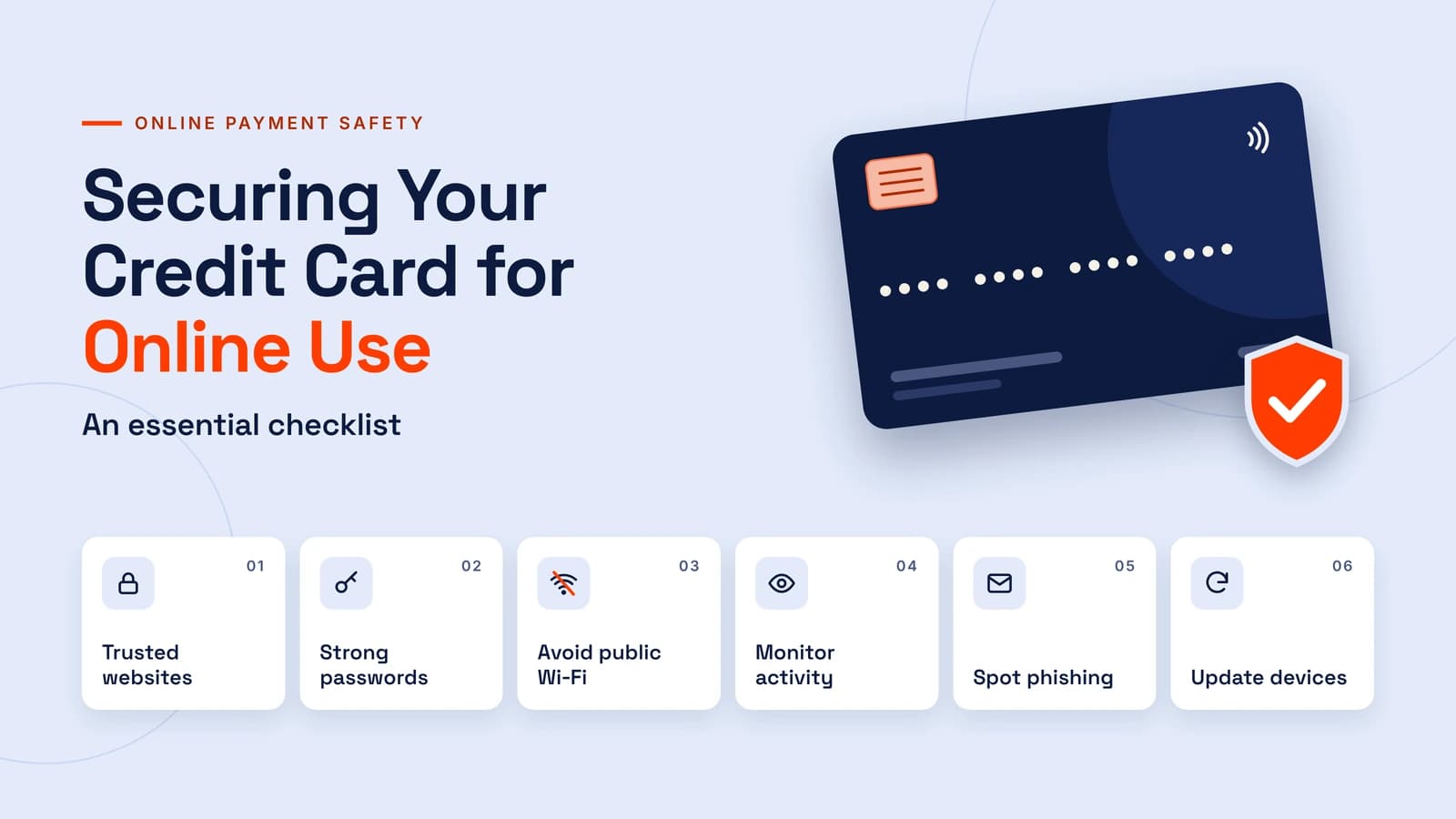
Because individuals often rely on credit cards to make electronic payments, it‘s essential to practice greater vigilance when using these financial tools online to prevent their personal and financial information from being compromised. To that end, here are some practical considerations that can help individuals secure their credit cards when making purchases online:
1) Use Secure and Trusted Websites for Online Purchases
One of the most important steps in ensuring secure online credit card transactions is verifying that the website used for a purchase is legitimate and secure. Reputable websites typically use encrypted connections that protect the information entered by users. You can often confirm this protection by checking for “https” at the beginning of the website address or by viewing the security icon displayed by most web browsers.
Also, take time to evaluate unfamiliar online stores before entering payment details. Fraudulent websites may imitate legitimate retailers in order to collect credit card information from unsuspecting users. Reviewing the website’s domain name, examining its contact information, and searching for independent customer feedback before you use your Maya credit card can help you determine whether the site is trustworthy.
2) Strengthen Account Protection with Strong Passwords
Many e-commerce platforms store payment information within user accounts to simplify future purchases. While this feature adds convenience, it also risks exposing saved credit card details if an account is accessed without authorization. As such, individuals should use strong passwords for their shopping and payment accounts. A secure password usually contains a combination of letters and numbers and avoids easily guessed information such as names or birthdays.
In addition, it’s helpful to use different passwords for different online services. When the same password is used across several websites, a single security breach may allow attackers to gain access to multiple accounts. A number of platforms also provide additional authentication steps that require a verification code during login attempts. These features add another layer of security that can help prevent unauthorized users from accessing accounts that contain stored payment information.
3) Avoid Public Wi-Fi When Entering Credit Card Information
Public wireless networks, which are often available in cafes, airports, or hotels, may offer convenient internet access, but they may not provide the same level of security as private connections. Some public networks lack proper encryption, which can make it easier for cybercriminals to intercept information transmitted through the connection. Thus, entering credit card details while connected to an unsecured network may increase the risk of data exposure.
When making online purchases, it’s safer to use a trusted private internet connection such as a home network or a secure mobile data connection. If you must complete a purchase while away from home, confirm that the website uses encryption and avoid connecting to unknown networks.
4) Monitor Credit Card Activity Regularly
Regularly reviewing credit card activity can help you detect unauthorized transactions before they cause significant financial harm. Most financial institutions provide mobile banking applications or online platforms that allow cardholders to view their transaction history. You should also make it a point to check recent purchases on a routine basis so that there’s a better chance of you quickly identifying charges you don’t recognize.
The most reputable credit card providers also offer SMS, email, or app notifications that alert cardholders when a transaction occurs. Prompt awareness of unusual activity allows consumers to report suspicious transactions to their financial institution without delay, which often helps prevent additional fraudulent charges.
5) Be Cautious of Phishing and Online Scams
Phishing scams are designed to trick individuals into revealing personal or financial information through deceptive messages. These scams often appear as emails or text messages from senders pretending to be a bank, payment platform, or online retailer. The message may request urgent action, such as confirmation of account details, or direct the recipient to a fraudulent website that asks for credit card information.
Individuals should approach unexpected payment requests or account warnings with caution. Before clicking links in suspicious messages, you’ll want to visit the company’s official website by typing the address directly into your browser to verify whether the message is from a trusted source. Legitimate institutions rarely ask customers to provide sensitive financial information through unsolicited messages. Being mindful of these tactics can help prevent the accidental disclosure of credit card details.
6) Keep Devices and Software Updated
Computers, smartphones, and tablets rely on operating systems and applications that occasionally require updates. These updates often contain security improvements that address newly discovered vulnerabilities. It’s crucial to pay attention to these updates to prevent exposure to malware that could capture financial information.
Keeping devices updated helps maintain a safer environment for online payments. By installing software updates promptly and using reputable security programs, you can reduce the likelihood of malicious software being installed on a device.
Credit cards are valuable for enhancing convenience and flexibility in managing payments in today’s digital economy. While these financial tools come with protective features of their own, maintaining secure electronic transactions still largely depends on your credit card use habits and online practices. If you can leverage your card’s security features, stay aware of common cybersecurity threats, and maintain safe online behavior, you should be able to ensure that your personal and financial information remains secure. This approach not only limits online security risks but also allows you to enjoy the benefits of e-commerce with greater confidence and control.