

How Air Cargo Solutions Are Transforming Modern Cargo Operations in Aviation
Discover how air cargo solutions are transforming modern aviation operations through smarter logistics, automation, efficiency & visibility.

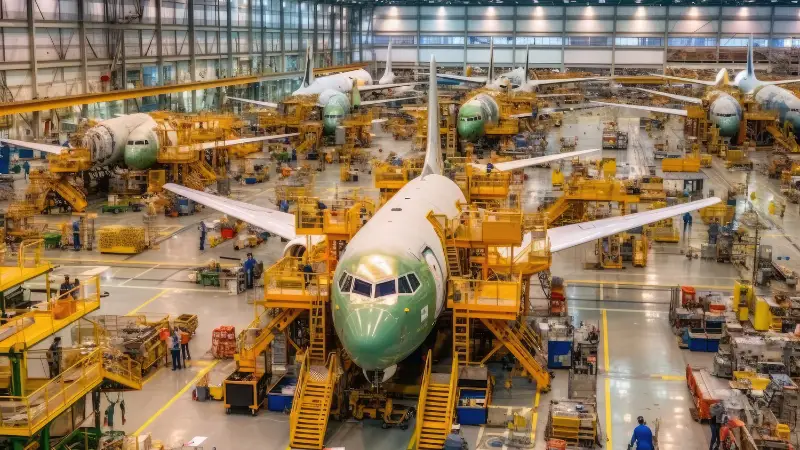
The global aviation industry faces rising pressure to move goods quickly and safely. Global supply chains now demand extreme precision, shifting away from slow, manual processes. Modern air cargo solutions provide the necessary framework to handle these heavy market demands. Platforms such as CROAMIS are helping airlines streamline processes, improve visibility, and support more efficient cargo movement across global networks. Aviation companies must modernize their facilities to stay profitable and competitive today.
Traditional freight networks often struggle with disconnected tracking and slow documentation methods. These old practices create long delays and increase total operating expenses for carriers. Implementing modern air cargo solutions will transform how companies process shipments from initial booking to final delivery. This technological shift creates a unified environment for global trade. Airlines can now manage complex logistical networks with far greater precision and speed.
Understanding the Shift Toward Modern Air Cargo Solutions
The movement of cargo involves far more than loading freight onto an aircraft. Before a shipment reaches its destination, it passes through booking teams, warehouse operators, customs authorities, ground handlers, and airline personnel. For years, many of these activities depended on manual communication and disconnected workflows. While those methods supported earlier business models, they often create challenges in today’s operating environment. A simple documentation issue can delay an entire shipment. A missing update can trigger confusion across multiple teams.
Modern air cargo solutions will help in reducing these issues by bringing operational information together. Instead of relying on disconnected processes, airlines will gain access to connected workflows and shared visibility. This shift supports stronger airline cargo management while helping organizations improve the consistency of their cargo operations. Platforms such as CROAMIS have emerged as valuable tools for supporting these evolving requirements.
Transforming Modern Cargo Operations with Air Cargo Solutions
The modernization of aviation cargo does not happen through one major change. Instead, it happens through numerous improvements that will mitigate friction from daily operations. The following areas illustrate where that transformation becomes most visible.
Improving End-to-End Shipment Visibility
Most operational teams share a similar frustration. Problems become much harder to solve when nobody has a clear view of what is happening. A shipment may arrive at an airport on schedule. The aircraft may land exactly as planned. Yet somewhere between unloading, warehouse processing, and transfer activities, visibility disappears. At that point, multiple teams begin searching for answers. This situation creates additional work across the organization. Customer service teams receive inquiries. Freight forwarders request updates. Operations personnel start reviewing records.
Modern air cargo solutions will help reduce these situations by improving shipment visibility. Information remains accessible across different operational stages. Teams spend less time searching for updates and more time resolving issues. For many organizations, stronger visibility has become a central component of effective airline cargo management. Systems such as CROAMIS help support this objective while strengthening day-to-day cargo operations.
Reducing Operational Delays and Process Bottlenecks
Not every disruption begins with a major operational failure. In many cases, delays develop gradually. A document arrives late. A booking update remains pending. A warehouse team waits for confirmation from another department. Individually, these issues appear minor. Collectively, they create operational bottlenecks.
Cargo organizations often figure out that small inefficiencies accumulate throughout the day. A few minutes lost during one process may affect several downstream activities. This is where air cargo solutions create measurable value. They simplify information flow between teams and reduce the dependency on manual coordination. Processes move faster because fewer administrative barriers exist between operational functions. As airlines continue refining cargo operations, reducing everyday delays often delivers greater value than solving occasional large problems. Strong airline cargo management depends on identifying these friction points and addressing them consistently.

Optimizing Capacity Utilization Across Cargo Networks
Capacity management remains a constant challenge within aviation logistics. Every aircraft has limited cargo space. Every warehouse has operational constraints. Every shipment competes for available resources. Therefore, airlines will spend considerable effort balancing demand with available capacity. During busy periods, the challenge becomes even greater. Decisions have to be made quickly, often using information from different sources.
Modern air cargo solutions help organizations improve these decisions. Better visibility into capacity, demand patterns, and shipment activity allows teams to allocate resources more effectively. Better planning helps create more efficient cargo operations while reducing unnecessary waste. The objective is not simply to move more cargo. The objective is to use available resources more effectively.
Converting Operational Data into Actionable Insights
Cargo organizations generate enormous amounts of information every day. Booking activity, shipment volumes, warehouse performance, turnaround times, and capacity utilization all contribute to operational decision-making. However, collecting data alone is of no value without understanding what the information really means.
Airlines increasingly rely on air cargo solutions to provide greater clarity. Patterns become easier to identify. Operational weaknesses become more visible. Performance trends become easier to monitor. This visibility supports better decision-making across the organization. They make decisions using operational evidence rather than assumptions. Strong airline cargo management depends on this ability. Platforms like CROAMIS help transform operational information into practical insights that support both daily execution and long-term planning.
Building Agility for Future Market Changes
The aviation cargo market rarely remains static for long. Trade routes change. Demand fluctuates. Customer expectations evolve. External disruptions occasionally reshape the operating environment without warning. Organizations therefore need systems capable of adapting alongside the business.
Modern air cargo solutions provide that flexibility. Airlines can expand operations, manage changing shipment volumes, and introduce new processes without creating unnecessary complexity. This adaptability has become increasingly important as global logistics networks continue evolving. Many organizations view scalability as a critical component of modern airline cargo management. Solutions such as CROAMIS help support growth while maintaining stable and efficient cargo operations. The ability to adapt often determines how successfully an organization responds to future challenges.
Conclusion
The transformation of aviation cargo is taking place through practical operational improvements rather than dramatic changes. Better visibility, stronger coordination, improved planning, and more informed decision-making are gradually reshaping how airlines manage freight movement across global networks.
Organizations that invest in process consistency, accurate information, and stakeholder collaboration often create stronger operational foundations. Clear governance, reliable data, and connected workflows remain important prerequisites for long-term success. As global trade continues expanding and logistics networks become more interconnected, air cargo solutions will remain closely tied to the ongoing evolution of modern aviation cargo operations.