
Building Big: How Metal Construction Trade Shows and Sports Facility Construction Are Changing Modern Stadium Design
Explore how metal construction trade shows and sports facility trends are reshaping modern stadium design with innovation, durability

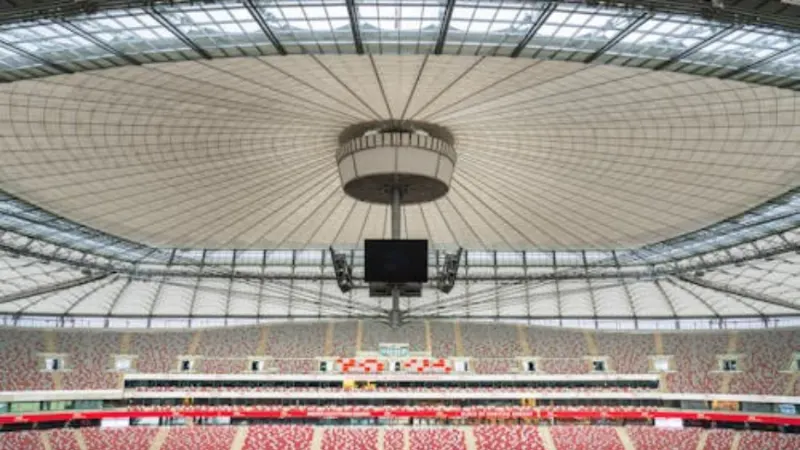
Modern stadium design stands at a crossroads where industrial innovation meets architectural ambition. Metal construction trade shows have emerged as unexpected catalysts in this transformation, presenting breakthrough materials and methodologies that directly influence how sports facilities are conceived and built. These specialized exhibitions reveal solutions to persistent challenges, structural limitations, escalating costs, and sustainability demands that have long constrained architects and engineers. The convergence of these industries suggests stadium construction may never operate the same way again.
The Evolution of Modern Stadium Design and Large-Scale Infrastructure
While ancient amphitheaters once served as gathering places for thousands of spectators, modern stadium design has transformed into a sophisticated discipline that integrates engineering, architecture, and urban planning on an unprecedented scale. Contemporary facilities prioritize multifunctional capabilities, incorporating retractable roofs, advanced climate control systems, and adaptable seating configurations that accommodate diverse events beyond traditional sporting competitions.
The integration of sustainable building practices has fundamentally altered construction methodologies. Architects now employ prefabricated metal components, reducing on-site construction time while enhancing structural integrity.
Digital modeling technologies enable precise visualization of complex geometries before ground breaking, minimizing costly revisions. Large-scale infrastructure projects increasingly emphasize connectivity with surrounding urban environments, incorporating public transportation access, mixed-use developments, and community spaces that extend the venue’s impact beyond game days.
How a Metal Construction Trade Show Showcases Innovation in Building Materials
Industry professionals seeking the latest advancements in stadium construction materials increasingly turn to specialized metal construction trade shows, where manufacturers and innovators converge to display cutting-edge building solutions. These exhibitions showcase revolutionary products including high-strength steel alloys, corrosion-resistant coatings, and lightweight aluminum systems specifically engineered for large-span structures.
Attendees examine advanced roofing technologies, weatherproof cladding materials, and sustainable metal composites that reduce environmental impact while maintaining structural integrity, including applications in sports facility construction. Live demonstrations reveal installation techniques that accelerate construction timelines and minimize labor costs across large-scale projects like stadiums and athletic complexes.
Exhibitors present case studies documenting successful stadium projects, highlighting material performance under extreme weather conditions and heavy spectator loads. Engineers and architects network with suppliers, establishing partnerships that drive innovation forward. These trade shows serve as catalysts for adopting emerging technologies, ensuring stadium designs incorporate the most durable, efficient, and cost-effective metal construction materials available.
Advancements in Sports Facility Construction for Multi-Use Venues
As architects reimagine sports venues for the 21st century, multi-use facilities have emerged as the dominant paradigm in stadium construction, demanding flexible structural systems that accommodate diverse events ranging from professional athletics to concerts, conventions, and community gatherings.
Modern construction techniques enable retractable seating configurations, modular flooring systems, and convertible playing surfaces that transform venues within hours. Advanced metal framework supports movable roof sections and reconfigurable partition walls, maximizing spatial adaptability while maintaining structural integrity.
These innovations address the economic imperative for year-round venue utilization, ensuring stadiums generate consistent revenue streams beyond seasonal sports schedules. Integrated building management systems coordinate mechanical, lighting, and acoustic elements, optimizing environmental conditions for each event type while reducing operational costs through energy-efficient design principles that benefit both operators and communities.
The Role of Steel and Modular Systems in Faster, Scalable Builds
Steel fabrication methods have revolutionized stadium construction timelines, with prefabricated modular components reducing on-site assembly periods by up to 40% compared to traditional concrete-intensive approaches. Modern steel systems enable rapid scalability, allowing venues to expand seating capacity or reconfigure spaces for different events without extensive structural modifications.
Off-site fabrication guarantees quality control while minimizing weather-related delays. Modular steel frameworks support integrated mechanical and electrical systems, streamlining installation processes. These components arrive precisely engineered, reducing field adjustments and labor costs.
The lightweight nature of steel also decreases foundation requirements, lowering material expenses and environmental impact. Architects now leverage parametric design software to optimize steel configurations, creating complex geometries previously impossible with conventional materials. This integration of digital modeling and modular steel construction represents stadium building’s future.
Sustainability and Energy Efficiency in Modern Stadium Projects
Today’s stadium developers prioritize environmental performance alongside structural innovation, integrating renewable energy systems and sustainable materials to achieve net-zero operational targets.
Metal construction facilitates these goals through recyclable steel frameworks, reflective roofing systems that reduce heat absorption, and modular designs minimizing construction waste. Solar panel arrays installed on expansive roof surfaces generate substantial electricity, while rainwater harvesting systems collect runoff for irrigation and non-potable applications.
LED lighting reduces energy consumption by 75% compared to traditional systems, and advanced HVAC technologies incorporate natural ventilation strategies. Green building certifications like LEED guide design decisions, pushing developers toward low-emission materials and carbon-neutral construction processes. Metal buildings support these initiatives through inherent durability and thermal efficiency. Trade shows showcase emerging technologies including geothermal systems, energy storage solutions, and smart building management platforms that optimize resource consumption throughout a stadium’s lifecycle.
Enhancing Fan Experience Through Smart Design and Technology Integration
While sustainability remains paramount, stadium designers increasingly recognize that technological sophistication directly determines spectator satisfaction and venue profitability. Modern facilities integrate high-speed 5G networks, enabling seamless connectivity for 60,000+ concurrent users streaming replays and engaging with interactive applications.
Digital wayfinding systems reduce congestion by guiding fans through optimized routes to seats, concessions, and exits. Advanced LED displays now wrap entire bowl interiors, delivering personalized content based on seating zones.
Cashless payment systems accelerate transactions by 40%, minimizing queue times. Biometric entry gates expedite security screening while maintaining safety standards. Smart stadium platforms aggregate data from sensors monitoring crowd density, restroom availability, and parking capacity. This real-time information feeds mobile applications, allowing patrons to make informed decisions that enhance their overall experience and encourage repeat attendance.
Balancing Cost, Durability, and Aesthetic Appeal in Large Venues
Budget constraints force architects and engineers to make strategic material selections that satisfy structural requirements without compromising visual impact or long-term performance. Modern stadiums increasingly utilize pre-engineered metal building systems that reduce construction timelines while maintaining design flexibility. These systems allow for expansive column-free spaces essential for sightlines and crowd movement.
Metal construction trade shows have become critical venues for discovering cost-effective innovations. Architects evaluate advanced coating technologies that extend material lifespan in harsh weather conditions, reducing maintenance expenses over decades. Hybrid designs combining steel frameworks with glass, fabric membranes, and sustainable materials create distinctive appearances while controlling costs.
Value engineering during early design phases identifies opportunities to optimize structural efficiency. Computer modeling simulates various configurations, balancing aesthetic ambitions against budgetary realities. This data-driven approach guarantees stadiums achieve iconic status without financial overruns.
Safety Standards and Structural Engineering Considerations
Structural failures in public assembly venues carry catastrophic consequences, compelling regulatory bodies to mandate rigorous engineering protocols for stadium construction. Modern facilities must withstand dynamic loads from crowd movement, wind forces, seismic activity, and weather extremes while accommodating tens of thousands of occupants.
Metal construction trade shows showcase advanced steel systems that meet International Building Code requirements and AISC specifications. Engineers employ finite element analysis to model stress distribution across roof trusses, cantilever sections, and support columns. Load-bearing calculations account for snow accumulation, rain pooling, and equipment installations.
Fire-resistant coatings, egress planning, and redundant structural members provide critical safety margins. Progressive collapse prevention guarantees localized failures don’t trigger widespread destruction. These engineering safeguards, refined through industry collaboration, establish frameworks that protect spectators while enabling ambitious architectural visions.
Future Trends Shaping the Next Generation of Stadium Architecture
As climate imperatives and digital innovation converge, stadium designers increasingly prioritize carbon-neutral operations, adaptive reuse capabilities, and immersive technology integration. Photovoltaic facades and geothermal systems now power venues while reducing environmental footprints. Modular construction techniques enable rapid assembly and future reconfiguration, extending facility lifespans beyond single-purpose events.
Advanced materials like transparent aluminum and self-healing concrete promise enhanced durability with minimal maintenance. Artificial intelligence optimizes crowd flow, energy consumption, and security monitoring in real-time. Augmented reality overlays transform spectator experiences, delivering personalized statistics and instant replays directly to individual seats.
Biophilic design principles incorporate living walls and natural ventilation, improving air quality and patron comfort. These innovations, showcased at metal construction trade shows, demonstrate how stadium architecture evolves toward sustainable, flexible, and technologically sophisticated structures.