Lead-Gen now on Auto-Pilot withBuild My Campaign
Valasys Media — Empowering marketers with powerful insights

Best Ways to Increase LinkedIn Followers in 2026

The best ways to increase LinkedIn followers in 2026 with profile optimization, consistent content, audience engagement, thought leadership, and smarter marketing strategies.

Guest Author
Guest Author
Last updated on: Jun 12, 2026
Best Ways to Increase LinkedIn Followers

LinkedIn isn’t the place you only visit when you’re job-hunting anymore. By 2026 it’s become the main stage for personal branding, B2B marketing, lead generation, and serious professional networking which is exactly why follower growth matters now for professionals, creators, marketers, and businesses alike. A bigger, more relevant following means your posts reach further, your name carries more weight in your field, and the right prospects actually find you. 

But none of that happens by posting whatever crosses your mind. It takes a real content strategy, steady activity, and engagement that means something. The short version of everything below: in 2026, you grow by focusing on quality content, what your audience actually needs, and relationships you build over time rather than overnight. 

9 Key Strategies to Grow Your LinkedIn Followers 

  1. Fix the profile before chasing follows

Here’s the order of operations people get backwards. They push for followers before their profile is ready to earn them. When someone spots your post or comment and gets curious, the very next thing they do is check your profile and that’s where they decide. 

So make it count. Photo, banner, headline, about section, featured content: every piece should say clearly who you are and what you bring. Thread in keywords from your industry so anyone can grasp your expertise in seconds. People in 2026 are pickier about who they follow than they used to be, so give them an obvious reason. A complete, credible profile is what quietly turns a visitor into a follower. 

  1. GetReal LinkedIn Followers for Early Credibility 

Social proof matters on LinkedIn because people often judge a profile before they follow or engage. One smart way to support early credibility is to buy real LinkedIn followers from a trusted provider. A stronger follower count can make a profile or company page look more active, established, and worth paying attention to. Many professionals and brands use this strategy to create a better first impression while building their content presence. The key is to combine it with valuable posts, strong hooks, useful comments, and consistent activity so those new visitors have a real reason to stay. 

  1. Be consistent but realistically

Consistency is a major lever, and posting once in a blue moon simply won’t build visibility in 2026. You need a schedule you can actually keep, then you need to keep it. 

That doesn’t mean posting five times a day until you burn out. Three to five solid posts a week will do plenty if the content’s good. Regular posting keeps your profile active, gives people more chances to engage, and helps LinkedIn get a read on your style and audience. There’s a human side too: familiarity. See someone show up usefully, again and again, and a casual viewer slowly becomes a loyal follower. 

  1. Win or lose on the first line

Your opening line decides whether anyone reads the rest. Boring start, instant scroll. A strong hook lifts engagement and pushes your content to more people. 

Reach for a question, a bold claim, a common mistake, a sharp tip, or a surprising insight. Something like “Most people fail to grow on LinkedIn because they post without a strategy” plants a little curiosity that pulls the reader in. And every reader who stops is more reach, more profile visits, and ultimately more followers. The first sentence is doing more work than the other ten combined treat it that way. 

  1. Get active in the comments

Growth doesn’t only live on your own profile. A lot of it happens under other people’s posts. Comment on industry leaders, potential customers, creators, business pages anyone whose audience overlaps with the one you want. 

But skip the throwaway “Great post” and “Nice.” Those are invisible. Write a comment that genuinely adds to the conversation, and people notice, click through, and follow. It’s honestly one of the easiest growth tactics going, because it puts you in front of new, relevant audiences without you having to produce a full post each time. And the back-and-forth tends to grow into real professional relationships, which is where the lasting value sits. 

  1. Mix up your formats

Don’t put all your eggs in one content type. People consume differently some want a quick text post, others prefer video, carousels, images, polls, or newsletters. Lean on one format only and you miss everyone who prefers another. 

A rough map: carousels shine for educational, step-by-step content; video is your friend for personal branding and feeling human; polls are an easy engagement bump; and text posts carry opinions, lessons, and storytelling well. Try them all and watch what your audience actually responds to. Variety keeps the feed fresh, and a fresh feed is one people keep following. 

  1. Pick a lane and stay in it

A classic mistake: posting about ten unrelated things and leaving people unsure what you’re even about. Confused readers don’t follow. Pick a clear niche — digital marketing, B2B sales, HR, finance, entrepreneurship, leadership, whatever your actual expertise is — and commit to it. 

Stay focused and people start to associate your name with that subject, which is how authority and trust get built. A defined niche also pulls in followers who genuinely care about your topic rather than passers-by who’ll never engage. In 2026 especially, focused content beats scattered content every time, because audiences want specific, useful answers, not a little bit of everything. 

  1. Post things that actually solve problems 

The single most reliable way to gain followers is to be useful. People follow accounts that help them not accounts that talk about themselves. So bring the practical stuff tips, industry insights, mistakes to avoid, case studies, checklists, step-by-step advice. 

Aim it squarely at your audience. If you’re talking to marketers, that’s lead generation, content strategy, branding, customer engagement. Solve a real problem in a post and you become a resource worth keeping around, and resources get the likes, comments, shares, and follows. The more genuinely helpful your content, the more your following grows on its own, without you forcing it. 

  1. Work in keywords and a few good hashtags

Keywords and hashtags make your content easier to discover, so use them on purpose. Fold relevant terms naturally into your profile, headline, about section, and posts for a LinkedIn-marketing focus, things like LinkedIn growth, personal branding, B2B marketing, content strategy, lead generation. 

Hashtags help categorize what you post, but go easy. A few that genuinely fit your topic and audience beat a long pile of loosely related ones. Keyword-aware content supports better visibility in LinkedIn’s search and feed in 2026, and every relevant person who discovers you that way is another shot at a follow. 

Conclusion 

The best ways to grow on LinkedIn in 2026 stack up like this: optimize the profile, post genuinely valuable content, stay consistent, hook people with strong openers, and engage with others. On top of that, commit to a clear niche, vary your formats, use keywords sensibly, and keep tracking your results. 

It won’t happen overnight — but the right strategy builds a strong, trusting audience over time. Don’t chase random follower counts. Go after the people who actually care about your industry, your content, and what you offer. Deliver value consistently and LinkedIn becomes a genuine engine for personal branding, marketing, and business growth. 
Related Posts

curated programmatic deals checklist

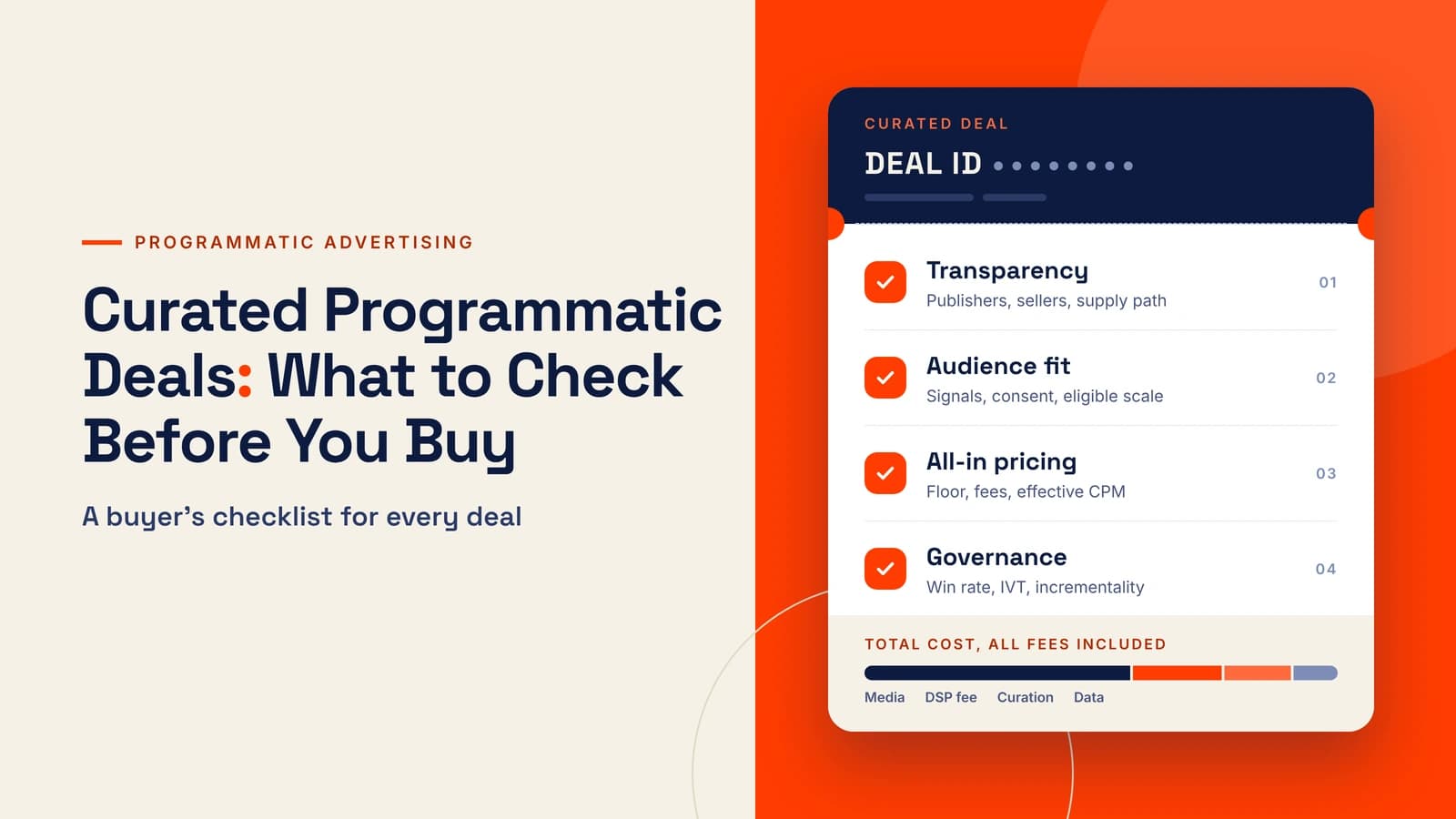
Curated Programmatic Deals: A Buyer Checklist for Transparency, Audience Fit, and Pricing

Guest Author

Curated deals promise easier access to relevant ad inventory, but packaged ad impressions are not automatically a better buy. . Before activating a deal, check what inventory it includes, whether it matches your target audience, and how much you will pay in total, including all fees. buyers can add a curated deal to a campaign and manage it like any other: set budgets, bids, and targeting. The demand-side platform for advertisers from SmartyAds includes access to curated deals, giving teams a practical starting point for comparing packages against campaign requirements. What Are Curated Programmatic Deals and Why Do Buyers Use Them? A curator groups inventory using publisher selection, contextual signals, or audience criteria, often making the package available through a deal ID. This can simplify discovery across publishers. Unlike guaranteed deals, where the number of impressions is agreed in advance, curated deals still run on auctions. How many impressions you get depends on your bids and competition. Transparency Checklist: Supply Path Visibility, Publisher Lists, and Fee Disclosure Before activating a curated deal, use this checklist to verify the supply path and ensure your budget reaches legitimate inventory without hidden markups: Request the publisher or app list, seller identities, and any exclusions. Ask whether supply is direct or passes through resellers, and who can change the package after launch. Check ads.txt or app-ads.txt authorization where applicable. Remember that a deal name alone is not proof of inventory quality. Audience Fit Checklist: Data Signals, Contextual Alignment, and Scale Validation Before committing budget to a curated audience package, run through these checks to confirm that data sources are compliant and available scale meets your campaign goals: Ask what qualifies an impression and whether the signals are contextual, first-party, or third-party. Verify consent and permitted data use, and remember that an audience label describes a group, not verified individuals. Estimate eligible reach after geographic, device, and frequency restrictions, as a narrowly defined package may match the brief yet deliver too little volume to test reliably. Pricing Checklist: Deal Floor Mechanics, Curation Markups, and Margin Efficiency Clarify whether pricing uses a fixed rate, an auction floor, or dynamic pricing. A floor is a minimum acceptable bid, not necessarily the clearing price. Compare: DSP fees. Curation charges and data costs. Effective CPM for valid, viewable impressions. Check whether additional costs are included in the quoted rate or billed separately. Ongoing Governance: Monitoring Performance, Incrementality, and Deal Hygiene Track spend, win rate, viewability, invalid traffic, and qualified conversions by deal ID. Recheck publisher lists as packages change. Test curated supply against a comparable non-curated option, controlling for audience overlap where possible. Higher click-through rates alone do not establish incremental value. Conclusion: Turning Curated Deals into a Repeatable Buying Advantage Use a documented checklist for every deal. Keep packages that deliver verified audience fit and acceptable all-in economics; renegotiate or pause those that do not.

lms-software-training-delivery

How LMS Software Streamlines Training Delivery Across a Company

Guest Author

Company training often breaks into disconnected sessions, spreadsheets, and inbox reminders. A learning management system brings courses, assignments, records, and reporting into one workflow. Employees see what they need, managers track progress, and administrators control recurring requirements. The result is a repeatable process that supports onboarding, compliance, product knowledge, and role-based development. The following article explains how this structure improves delivery across departments and locations without creating extra administrative work for busy training teams. A company needs one training record even when its workforce includes office staff, field technicians, contractors, and remote employees. Separate spreadsheets create duplicate assignments and unclear ownership. With LMS software, each learner follows the assigned path, while managers receive a consistent view of completion, scores, and overdue work. That shared record supports faster decisions about retraining and access to job-specific duties. A Single Training Record Centralized course delivery removes the need for trainers to email separate files or repeat the same instructions. Administrators publish a course once, then assign it to selected teams, locations, or job roles. Updates reach every assigned learner through the same record. This approach keeps policy language consistent and gives employees one place to find required training. Scheduling tools turn training plans into timed workflows. A new employee can receive orientation tasks after a start date, while a supervisor can assign refresher work before a certification expires. Automated reminders reduce manual follow-up, and enrollment rules prevent gaps when teams change. Managers spend less time building rosters and more time reviewing completion data. One Workflow For Different Audiences Training rarely follows one pattern across a company. New hires need orientation, customer-facing staff need product updates, and supervisors need safety or compliance refreshers. An LMS stores these paths separately while keeping administration in one system. Role-based enrollment assigns the right content without asking every employee to browse a catalog. This approach reduces irrelevant coursework and improves completion. Progress Data Guides Intervention Completion reports show more than whether someone opened a course. Administrators can review assessment scores, time spent, overdue assignments, and repeated attempts. Those details reveal where a learner needs help or where a course needs revision. A manager can schedule coaching after a failed assessment instead of waiting for an annual review. Clear reporting also supports audit preparation by keeping records in one location. Dashboards help leaders compare completion by department, location, or role. They can identify teams with overdue requirements and direct attention where it is needed. A training administrator can export evidence for an internal review without asking supervisors to reconstruct attendance from email threads. This arrangement makes follow-up more precise and timely. Compliance Records Stay Current Regulated training depends on accurate dates, version control, and renewal rules. An LMS records when an employee completes a course and can assign the next requirement according to a defined schedule. Administrators can retire outdated material, publish revised content, and keep a history of learner activity. This approach reduces the risk of outdated instructions or missed renewal deadlines. Standardization Improves Training Quality A shared course template gives authors consistent fields for objectives, instructions, assessments, and completion rules. Learners encounter familiar navigation across departments, while administrators spend less time correcting missing information. Content owners can review a course on a set schedule and update examples when work practices change. The record then shows which version each learner completed. Connect Training To Business Routines An LMS connects training with routine workforce processes through defined roles and permissions. An administrator can limit editing rights to approved content owners while allowing managers to view team progress. Integrating with existing employee records can reduce duplicate data entry, but the setup should align with the company’s privacy and access rules. Clear ownership keeps records accurate after staff changes. Plan Implementation Around Measurable Work Successful adoption starts with a defined training map. Before configuring the LMS, leaders should list required courses, target roles, completion deadlines, and evidence owners. The team should then test enrollment rules with a small group and check reports against expected results. This process identifies missing permissions, confusing instructions, and incorrect due dates before broad rollout. Beneficial measures include completion rate, assessment performance, overdue work, and time to completion. A training team can review those measures by role or location each month. If one group falls behind, managers can check scheduling, course length, or access before assigning more reminders. This approach makes reporting a routine management task. Conclusion Company-wide training works best when delivery, records, and follow-up share one process. LMS software organizes assignments by role, sends timely reminders, records completion, and gives managers usable evidence. The next practical step is to map every required course to a role, owner, and deadline. Then test one enrollment path, review its report, and correct gaps before expanding across the company. This sequence builds control without adding unnecessary administrative steps to the training calendar.

credit-card-online-security-checklist

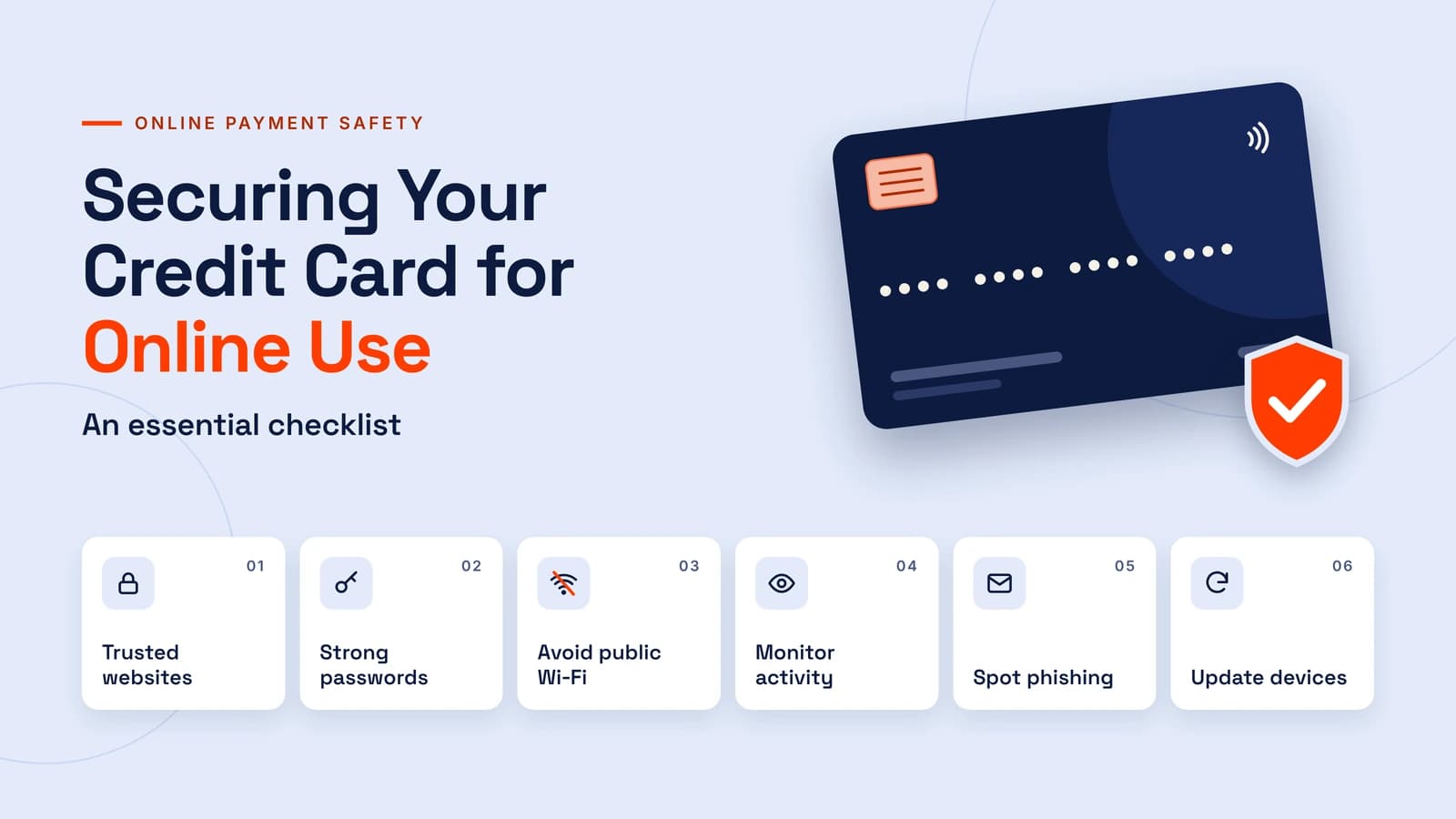
Securing Your Credit Card for Online Use: An Essential Checklist

Guest Author

Our modern lifestyle increasingly relies on convenience and connectivity. This is reflected in nearly all aspects of living, including how we obtain goods and services. Today, e-commerce has evolved into a dominant force in daily life, allowing consumers to access everyday essentials and other products from the comfort of their homes. However, along with the rise of online transactions comes the growing risk of falling victim to cybersecurity threats. Because individuals often rely on credit cards to make electronic payments, it‘s essential to practice greater vigilance when using these financial tools online to prevent their personal and financial information from being compromised. To that end, here are some practical considerations that can help individuals secure their credit cards when making purchases online: 1) Use Secure and Trusted Websites for Online Purchases One of the most important steps in ensuring secure online credit card transactions is verifying that the website used for a purchase is legitimate and secure. Reputable websites typically use encrypted connections that protect the information entered by users. You can often confirm this protection by checking for “https” at the beginning of the website address or by viewing the security icon displayed by most web browsers. Also, take time to evaluate unfamiliar online stores before entering payment details. Fraudulent websites may imitate legitimate retailers in order to collect credit card information from unsuspecting users. Reviewing the website’s domain name, examining its contact information, and searching for independent customer feedback before you use your Maya credit card can help you determine whether the site is trustworthy. 2) Strengthen Account Protection with Strong Passwords Many e-commerce platforms store payment information within user accounts to simplify future purchases. While this feature adds convenience, it also risks exposing saved credit card details if an account is accessed without authorization. As such, individuals should use strong passwords for their shopping and payment accounts. A secure password usually contains a combination of letters and numbers and avoids easily guessed information such as names or birthdays. In addition, it’s helpful to use different passwords for different online services. When the same password is used across several websites, a single security breach may allow attackers to gain access to multiple accounts. A number of platforms also provide additional authentication steps that require a verification code during login attempts. These features add another layer of security that can help prevent unauthorized users from accessing accounts that contain stored payment information. 3) Avoid Public Wi-Fi When Entering Credit Card Information Public wireless networks, which are often available in cafes, airports, or hotels, may offer convenient internet access, but they may not provide the same level of security as private connections. Some public networks lack proper encryption, which can make it easier for cybercriminals to intercept information transmitted through the connection. Thus, entering credit card details while connected to an unsecured network may increase the risk of data exposure. When making online purchases, it’s safer to use a trusted private internet connection such as a home network or a secure mobile data connection. If you must complete a purchase while away from home, confirm that the website uses encryption and avoid connecting to unknown networks. 4) Monitor Credit Card Activity Regularly Regularly reviewing credit card activity can help you detect unauthorized transactions before they cause significant financial harm. Most financial institutions provide mobile banking applications or online platforms that allow cardholders to view their transaction history. You should also make it a point to check recent purchases on a routine basis so that there’s a better chance of you quickly identifying charges you don’t recognize. The most reputable credit card providers also offer SMS, email, or app notifications that alert cardholders when a transaction occurs. Prompt awareness of unusual activity allows consumers to report suspicious transactions to their financial institution without delay, which often helps prevent additional fraudulent charges. 5) Be Cautious of Phishing and Online Scams Phishing scams are designed to trick individuals into revealing personal or financial information through deceptive messages. These scams often appear as emails or text messages from senders pretending to be a bank, payment platform, or online retailer. The message may request urgent action, such as confirmation of account details, or direct the recipient to a fraudulent website that asks for credit card information. Individuals should approach unexpected payment requests or account warnings with caution. Before clicking links in suspicious messages, you’ll want to visit the company’s official website by typing the address directly into your browser to verify whether the message is from a trusted source. Legitimate institutions rarely ask customers to provide sensitive financial information through unsolicited messages. Being mindful of these tactics can help prevent the accidental disclosure of credit card details. 6) Keep Devices and Software Updated Computers, smartphones, and tablets rely on operating systems and applications that occasionally require updates. These updates often contain security improvements that address newly discovered vulnerabilities. It’s crucial to pay attention to these updates to prevent exposure to malware that could capture financial information. Keeping devices updated helps maintain a safer environment for online payments. By installing software updates promptly and using reputable security programs, you can reduce the likelihood of malicious software being installed on a device. Credit cards are valuable for enhancing convenience and flexibility in managing payments in today’s digital economy. While these financial tools come with protective features of their own, maintaining secure electronic transactions still largely depends on your credit card use habits and online practices. If you can leverage your card’s security features, stay aware of common cybersecurity threats, and maintain safe online behavior, you should be able to ensure that your personal and financial information remains secure. This approach not only limits online security risks but also allows you to enjoy the benefits of e-commerce with greater confidence and control.