
10 Bridal Bouquet Styles That Will Define Your Wedding Look
Elegant bridal bouquet styles to match your wedding vibe, from classic roses to modern wildflowers find the perfect floral statement.

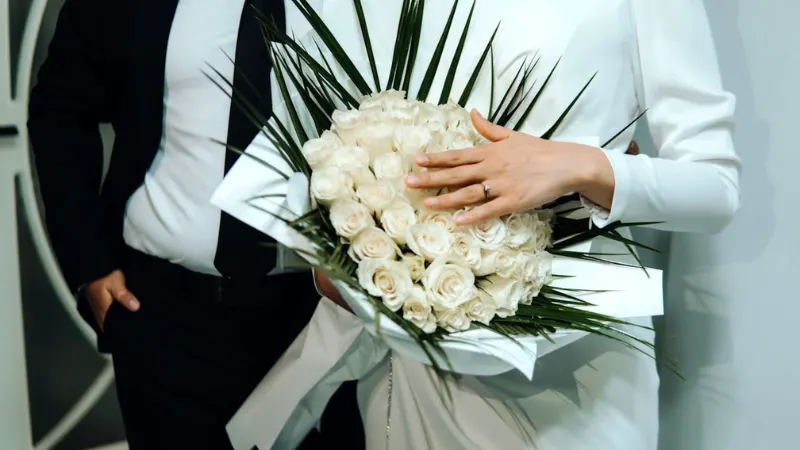
Your bouquet is never just something to keep your hands busy during the walk down the aisle. It shows up in virtually every photograph taken that day, ceremony, portraits, reception, all of it. According to a Study, couples spent an average of 1,130 Euro on wedding flowers overall. That figure alone tells you how much weight brides put on getting florals right.
The range of bridal bouquet styles available today is genuinely wide, compact posies at one end, sweeping cascades at the other, and the shape you land on will quietly define your entire visual story.
Whether you’re building out wedding bouquet ideas for an intimate garden ceremony or a full-scale ballroom event, this guide covers ten distinct styles with flower suggestions, dress pairings, and what’s trending heading into 2026.
Bouquet-First Styling Map
Before you fall completely in love with a particular look, it’s worth mapping your bouquet choice against your dress silhouette, venue, and how things will photograph.
The various types of bridal bouquets sit differently against different body shapes and architectural backdrops, and when the pairing is considered, everything reads as deliberate rather than accidental.
Before your florist consultation, it’s genuinely worth taking time to browse a curated selection of wedding bouquet flowers, it helps you visualise colour combinations and understand which stem varieties complement each other before you’re sitting across a table making decisions under pressure.
Dress Neckline and Waistline Pairing
Strapless and sweetheart cuts balance naturally against rounded or softly asymmetric shapes. High necklines and long sleeves call for something with vertical reach, a cascade or presentation style. A minimal slip dress? That’s where sculptural asymmetry or even a single-stem moment earns its place.
Venue and Season Pairing
Garden and outdoor settings suit airy hand-tied arrangements or crescent shapes. Grand ballrooms and formal venues feel deliberately matched with round, Biedermeier, or classic cascade styles. Beach and destination weddings do best with compact nosegays built from heat-tolerant, durable blooms.
Photo Impact Checklist
Pay attention to side-profile silhouette, movement, negative space, stem styling, and how the bouquet scales against your frame. These specific details are what separate a good bouquet photograph from a genuinely remarkable one.
Now, let’s work through all ten wedding bouquet styles.
1) Round Bridal Bouquet Style
The round bouquet is the enduring benchmark. Symmetrical, polished, flattering from every angle. It reads as classically bridal in both ceremony frames and formal portraits.
Best flowers: Monochrome white, tonal blush, or a textured mix of roses, ranunculus, and hydrangea. Keeping the surface consistent lets the dome shape land cleanly.
2026 update: The “stem-forward” finish, intentionally visible stems with minimal ribbon wrapping, gives the round bouquet a contemporary editorial quality without sacrificing its classic foundation.
2) Hand-Tied Garden Bridal Bouquet Style
Where the round bouquet is the classic, the hand-tied style leans romantic and relaxed, well-suited to outdoor ceremonies and garden settings.
Ingredient list: Garden roses, sweet peas, lisianthus, rosemary, and soft trailing greens create that effortless just-picked quality. Varying stem lengths add genuine natural movement.
Personalisation tip: Build in a “scent story.” One aromatic herb or bloom tied to a personal memory makes the bouquet feel specifically yours rather than simply beautiful.
3) Cascade / Waterfall Bridal Bouquet Style
Where the hand-tied whispers romance, the cascade announces it. The dramatic trailing structure creates a real body-lengthening impact.
Best flowers: Orchids, amaranthus, trailing jasmine, ruscus, and smilax. One strong trailing element anchors the whole composition.
2026 update: The modern cascade is considerably slimmer and more architectural, nothing like the heavy teardrop shapes popular in the nineties. Clean satin gowns and cathedral veils are its natural partners.
4) Nosegay Bridal Bouquet Style
If the cascade feels like more of a statement than you want to make, the nosegay makes a compelling case for restraint.
Elevated approach: Tight, high-quality blooms paired with luxe ribbon tails make a nosegay feel refined rather than understated. Focus on bloom perfection over volume.
Colour strategy: One bold accent, butter yellow or cherry red, creates modern editorial contrast without overwhelming the compact shape.
5) Posy Bridal Bouquet Style
The nosegay and posy are close relatives, but the posy’s petite rounded profile and easy one-hand hold make it the more ceremony-friendly of the two.
Best flowers and finishes: Ranunculus, tulips, anemones, and lily-of-the-valley look-alikes all suit this style. A thin ribbon wrap keeps things simple and elegant.
Make it current: One unexpected textural addition, berries, seed pods, or a single sculptural bloom, elevates a posy from sweet to genuinely intentional.
6) Pageant / Presentation Bridal Bouquet Style
If petite and soft isn’t your energy, the pageant bouquet flips the format entirely. Resting along the forearm, it reads sleek and fashion-forward rather than traditionally bridal.
Best flowers: Calla lilies, long-stem roses, delphinium, anthurium, and flowering branches all suit the linear structure this style demands.
The detail most brides miss: A “negative-space arm sheaf”, fewer stems with deliberate spacing, photographs like a sculptural accessory. It’s a small shift with significant visual payoff.
7) Crescent Bridal Bouquet Style
The presentation bouquet gives you a clean linear line. The crescent delivers the same modern energy with artful asymmetry and a sense of natural movement.
Mechanics: Airy blooms and flexible greens built around a light internal armature hold the curved shape without any rigidity; the result frames your body dynamically in portrait shots.
Ideal pairings: Modern venues, architectural gowns, and editorial photography styles. It’s a fashion-first choice with genuine visual authority.
8) Biedermeier Bridal Bouquet Style
While the crescent leans into free-form artistry, the Biedermeier goes entirely the other direction, precision-engineered concentric rings of colour, very vintage-luxe in character.
Making it modern: Tonal rings, ivory moving into blush into nude, feel far more current than contrasting rainbow arrangements. Keep the scale compact for the most accurate result.
9) Hoop Bridal Bouquet Style
The Biedermeier commands attention through pattern. If you want your bouquet to function more like wearable floral art, the hoop style takes that concept to its logical end.
Why it stands out in bridal bouquet trends: The hoop reads like jewellery for your hands, perfect for fashion-forward receptions and movement shots. Hardy blooms and wired elements keep it balanced and stable throughout the day.
10) Pomander (Flower Ball) Bridal Bouquet Style
The hoop makes a bold visual statement; the pomander matches that playful energy with a spherical, ribbon-suspended alternative that is endlessly charming in photographs.
Elevating the pomander: A monochrome sphere or mixed-texture combination, blooms, foliage, dried accents, makes this feel luxe rather than novelty. Watch the weight carefully for comfort during long wear.
2026 Bridal Bouquet Trends Worth Knowing
Nearly all brides, 98%, use social media to find and evaluate wedding vendors, meaning bouquet imagery genuinely shapes purchasing decisions. The bridal bouquet trends gaining real traction in 2026 are about considering detail rather than excess.
Sculptural and asymmetrical florals: One architectural bloom, anthurium, orchid, or a structured branch, modernises any silhouette with minimal effort.
Intentional stem styling: Exposed stems with minimal wrapping, or fabric choices like raw silk or velvet ribbon, make the handle part of the design. Matching texture to your dress fabric creates a cohesive, finished result.
2026 colour directions: Butter yellow accents, citrus tones, earthy luxe neutrals, moody jewel tones, and verdant green used as a deliberate feature colour are all gaining momentum with brides currently booking.
Bouquet Style Quick Comparison
| Style | Best For | Complexity | Key Flowers |
| Round | Classic, formal | Low–Medium | Roses, hydrangea |
| Hand-Tied | Garden, outdoor | Low | Garden roses, sweet peas |
| Cascade | Dramatic, formal | High | Orchid, amaranthus |
| Nosegay | Micro-weddings | Low | Ranunculus, sweet peas |
| Posy | Intimate vows | Low | Tulips, anemones |
| Pageant/Arm Sheaf | Editorial, minimalist | Medium | Calla lilies, delphinium |
| Crescent | Modern, architectural | High | Airy blooms, flexible greens |
| Biedermeier | Vintage, heritage | High | Concentric single varieties |
| Hoop | Fashion-forward | Medium–High | Hardy wired blooms |
| Pomander | Playful, photo-friendly | Medium | Roses, mixed textures |
Frequently Asked Questions
Which bridal bouquet styles suit a mermaid or fitted dress?
Cascade and crescent styles complement fitted silhouettes best; their vertical or curved lines echo the gown’s shape and add movement without competing with it.
Which wedding bouquet styles make you look taller?
Cascade, pageant/arm sheaf, and crescent styles all create elongated lines. Avoid oversized round bouquets if you’re petite; they can visually shorten the frame.
How do I choose between a hand-tied bouquet and a round bouquet for a formal wedding?
Round bouquets suit structured, formal settings through their polished symmetry. Hand-tied styles work better where a natural, organic aesthetic fits the mood, garden or relaxed-formal venues, specifically.
Which types of bridal bouquets photograph best for documentary-style wedding photography?
Hand-tied, cascade, and crescent styles photograph beautifully in candid settings; their movement and asymmetry create visual interest in natural, unposed moments.
Your Bouquet, Your Wedding Look
Selecting a bouquet style is one of the more consequential decisions you’ll make in the planning process.
It appears in nearly every photograph from your day, and it shapes how your overall look is read from the ceremony through to the reception. Whether you’re drawn to the polished round, the dramatic cascade, or the artfully asymmetric crescent, the right choice anchors everything else.
Pair it deliberately with your dress, your venue, and the wedding bouquet styles defining 2026, and what you carry down that aisle will reflect exactly who you are on one of the most significant days of your life.