6 Easy Maintenance Tips to Keep Outdoor Barriers Strong
Discover 6 simple maintenance tips to keep your outdoor barriers strong, durable, and long-lasting in all weather conditions.

Maintaining outdoor barriers is essential to ensure they remain strong, reliable, and safe over time. Regular upkeep prevents structural damage, extends lifespan, and reduces the need for costly replacements. Many property owners underestimate how quickly exposure to weather, pests, and daily wear can weaken fences and perimeter structures. Taking proactive steps to inspect, clean, and protect barriers helps avoid small issues from escalating into major problems.
A well-maintained barrier not only provides security but also preserves the appearance of your property. Simple maintenance practices make a noticeable difference in durability and function. Addressing issues early keeps the barrier effective against environmental stresses and potential intrusions. By following consistent maintenance routines, outdoor structures can continue to perform their protective role for years without extensive repairs.
1. Maintaining Outdoor Barriers Effectively
Regular maintenance prevents small problems from turning into serious damage. Outdoor barriers are constantly exposed to sunlight, rain, wind, and temperature fluctuations that can cause warping, rust, or decay. Ignoring these factors can compromise the barrier’s structural integrity, making it less effective in protecting property. Proactive care also reduces long-term costs by avoiding extensive repairs or full replacements.
Maintaining barriers consistently ensures they remain safe and functional. A strong fence or perimeter structure minimizes security risks and preserves the overall aesthetics of the property. Establishing a routine schedule for inspections, cleaning, and minor repairs helps maintain the barrier’s condition over time. This approach allows property owners to address problems early and prevent serious damage from occurring.
2. Conducting Effective Inspections to Identify Issues
The most effective way to inspect barriers is to examine them regularly and systematically. Check posts, panels, and joints for signs of wear such as cracks, rust, or loose fittings. Look for areas where the material may be weakening, including sections that lean or shift over time. Documenting issues with photos or notes helps track recurring problems and plan repairs.
Inspections should occur at least quarterly and after extreme weather events. Observing the barrier from different angles can reveal hidden weaknesses that may not be immediately visible. This approach allows for early detection of problems before they affect the overall structure. Establishing a consistent inspection routine ensures long-term durability and keeps barriers performing as intended.
3. Cleaning Practices to Prevent Material Deterioration
Cleaning barriers is essential to prevent deterioration caused by dirt, debris, and moisture. For wood barriers, a mild soap and water solution is effective, while wire mesh security fencing benefits from rust-inhibiting cleaners. Removing buildup and drying surfaces after cleaning prevents rot, corrosion, and other environmental damage. Regular cleaning helps maintain both the function and appearance of the barrier.
Cleaning should be done at least twice a year or more frequently in areas with harsh weather. Pay special attention to corners, joints, and areas near the ground, as these spots are most prone to moisture and debris accumulation. Using proper tools and cleaning solutions suitable for the barrier material ensures that maintenance does not inadvertently cause damage. Consistent cleaning protects barriers and contributes to their long-term strength.
4. Addressing Minor Repairs Before They Escalate
Minor repairs should be addressed as soon as they are identified to prevent larger problems. Tighten loose screws, fill small cracks, and replace damaged components promptly. Palisade fence and other structures require attention to fasteners and panels to maintain stability. Addressing these issues immediately reduces the risk of structural weakening and extends the barrier’s overall lifespan.
Using appropriate tools and safety precautions is essential during repairs. Simple fixes, like replacing worn fasteners or patching small holes, can keep the barrier secure and functional. Prompt attention to minor damage prevents it from escalating into costly repairs or replacements. By taking action early, property owners can ensure barriers remain durable and reliable.
5. Applying Protective Treatments to Strengthen Barriers
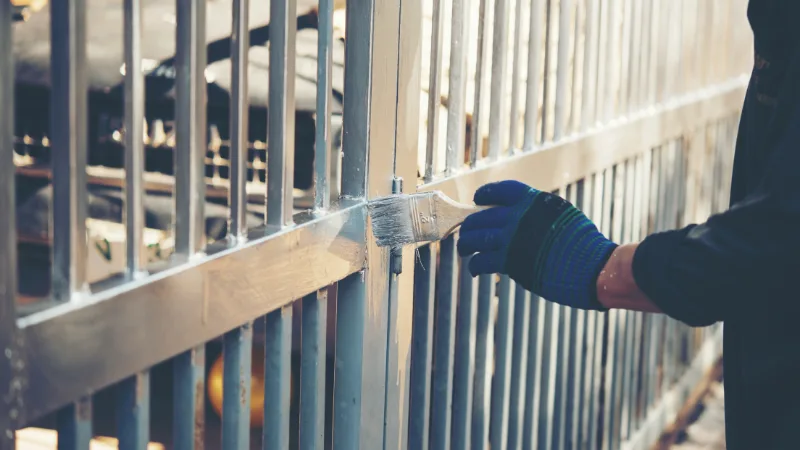
Applying protective treatments significantly enhances the durability of outdoor barriers. Sealants, rust-resistant coatings, and weatherproof paints form a barrier against environmental damage. These treatments prevent moisture infiltration, corrosion, and material degradation, extending the lifespan of the structure. The choice of treatment depends on the barrier material and local climate conditions.
Protective applications should follow the manufacturer’s recommendations for frequency and method. For example, applying a weatherproof coating annually can preserve wooden fences, while metal structures may require anti-rust treatments. Protective treatments not only maintain functionality but also help barriers retain their appearance over time. Regularly applying these measures ensures long-term strength and reliability.
6. Professional Barrier Maintenance
Professional maintenance is recommended when barriers show signs of extensive damage or structural instability. Experts can identify issues that may not be apparent during routine inspections and perform repairs that require specialized knowledge or tools. Scheduling professional checkups periodically ensures that barriers, including perimeter security products, remain safe and fully functional.
Even with consistent DIY upkeep, professional evaluations provide an additional layer of protection. They can recommend solutions for long-term preservation and address problems that might otherwise go unnoticed. Engaging professionals periodically helps maintain both the integrity and safety of outdoor structures. This ensures that all types of barriers continue to perform their intended protective role effectively.
Conclusion
Keeping outdoor barriers strong requires regular attention and proactive care. Inspections, cleaning, minor repairs, protective treatments, and occasional professional maintenance all contribute to long-lasting durability. Following these practices ensures that fences and perimeter structures remain safe, functional, and visually appealing over time. Consistent upkeep reduces repair costs and prevents structural failures.
By adopting a structured maintenance routine, property owners can extend the life of their barriers and maintain effective protection. Simple actions taken consistently make a significant difference in durability and performance. Investing time in proper maintenance ensures that outdoor structures continue to serve their purpose for years without unnecessary replacements.