
Top 7 Influencer Marketing Trends You Shouldn’t Miss
Discover 2025’s top influencer marketing trends—micro creators, AI tools, cross-platform campaigns & ROI-driven strategies for smarter brand growth.

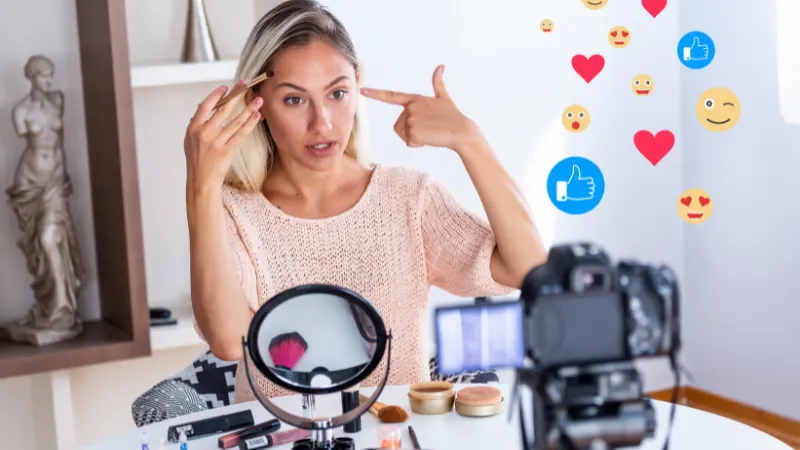
Over the last few years, influencer marketing has evolved far. It has now become the most powerful tool for brands of all sizes to scale up. In fact, the influencer marketing business worldwide is projected to reach an approximate of $24 billion in 2025, compared to $1.7 billion in 2016. That’s massive!
As much as the world is changing with every passing day, brands and creators need to stay updated with the current trends. Regardless of whether you have a startup, a D2C brand, or a small business. Keep yourself informed about these trends and maximize the results of your campaigns, and grow more quickly. Many marketers now use tools for trend discovery TikTok to identify what’s currently resonating with audiences and adjust their influencer strategies accordingly. That’s why platforms like CollabX are helping brands partner with the right creators, track campaign success, and grow with confidence. Let’s take a look at the top 7 trends you need to know about.
1. The End of Likes-Based Performance: Results Matter Now
Previously, the success of influencer campaigns was judged by the number of likes or comments. But the time has changed; now it is all about the leads, sales, sign-ups, and conversions that count.
A recent study has suggested that 67% of brands currently use results tracking like sales or leads, not just engagement. It implies that influencers are not only making content but are also generating real business.
2. Small Creators, Big Impact: The Rise of Micro and Nano Influencers
One interesting thing is that influencers who have a small number of followers have very high engagement when compared to those with large followers. The micro influencers (10K-100K followers) and nano influencers (less than 10K) may have smaller audiences, but to their followers, they seem more modest and trustworthy.
As a matter of fact, research indicates that such creators boast an engagement level that is as much as 60% higher than big-name celebrities. These smaller influencers may be your best choice with the aim of attempting to reach a niche audience and creating a sense of trust in your brand.
3. Smart Tech Is Helping Brands Find the Right Influencers
Finding the right influencer was a game of chance in the past. You would swipe through Instagram, look at accounts, and possibly even send someone an email. Things are becoming much smarter now.
Due to AI tools, brands can now easily find influencers and match with them based on factors such as past performance, audience type, and content quality. This will lead to reduced waste of time, better results, and reduced mismatches.
4. Brands Want Honesty and Clear Reporting
Marketers, these days, are no longer satisfied with good results; they want to see clear numbers. What they would like to know is how much was spent, what content worked, how many clicks happened, and how many sales came in.
That is why reports in real time and dashboards with transparency are on the rise. Such genuine reporting generates trust between the influencer and brands and helps both sides receive assistance in developing strategies for the campaign.
5. One Platform Isn’t Enough Anymore
Your audience is everywhere, and your content should be too. Today’s internet users scroll through Instagram, YouTube, and more—sometimes all in one sitting. So if your influencer campaign is only on one platform, you might be missing out.
Now, more brands are choosing to run campaigns across multiple platforms, repurposing content for different audiences. One video can become a YouTube Short, a Reel, and more. It’s a smart way to get more out of your content and reach people wherever they are.
6. Long-Term Partnerships Work Better Than One-Time Posts
One sponsored post might give you a short burst of attention. But real brand loyalty comes from consistency. That’s why brands are now forming long-term relationships with influencers, kind of like hiring brand ambassadors.
And it works! Reports show that long-term influencer partnerships give up to 4x better ROI than one-off posts. These ongoing collaborations build trust and help creators speak more naturally about the brand and feel more authentic to the audience.
7. Word-of-Mouth Is Now Digital—and More Powerful Than Ever
People trust people more than they trust ads. That’s why word-of-mouth marketing is now one of the most powerful parts of influencer marketing.
When a creator genuinely uses and recommends a product, it feels real, and that drives results. Whether it’s a product review, a tutorial, or a “What’s in my bag?” post, these user-generated content pieces feel like friendly advice rather than a sales pitch.
And here’s a fun stat: 92% of consumers say they trust recommendations from individuals over brands. That’s why this trend isn’t going anywhere.
Conclusion
Influencer marketing is growing. It’s smarter, more data-driven, and more focused on real results than ever before. Whether you’re a startup founder or a marketer at a growing brand, these seven trends can help you plan better campaigns and connect with your audience in more meaningful ways.
Stay curious, stay flexible, and keep an eye on what’s changing—because in the world of influencer marketing, those who adapt win.