

Scene Switching Psychology: Why Background Changes Work
Discover why scene switching psychology boosts watch time and how background changes keep viewers engaged longer.

In a short video, viewers do not lose interest gradually. It drops instantly. One second, a viewer is involved, the next, he or she scrolls. This harsh fact makes the creators see past hooks and captions and pay attention to what makes the brain think during the video. This is the point where Pippit comes in as a strategic strength. Instead of using reshoots all the time or making edits so tiresome, it assists creators in crafting visual movement in a smart manner. Pippit, as a Video agent, works in silence to leave room for background changes to facilitate attention, rhythm, and flow without overwhelming the viewer and the creator.
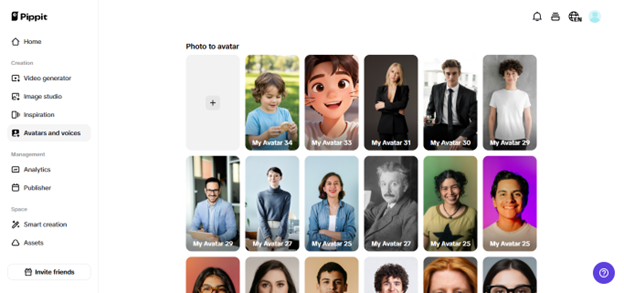
The brain is programmed to perceive change.
Human attention developed in order to highlight movement and variation. When images remain stationary, the brain thinks that there is no new information to be processed. In short content, scrolling is a direct result of this premise.
Backgrounds are attention rejuvenators. Even minor changes are an indication of newness, and it informs the brain that evolution is underway. The speaker can remain in the centre; however, the setting provides the impression of motion that keeps the viewers in their minds.
Perceived progress is achieved by background changes.
The sense of being stagnated is one of the reasons why viewers drop off. Time is longer when there is nothing new to see. Background shifts eliminate this by giving the impression of movement. Every visual transition is an indication of a fresh moment, although the subject matter may persist. This gives the video a structured rather than a static feel. The audience is not confused but led along.
Why are stationary pictures fatiguing over time?

Numerous producers shoot whole videos in a single setting. The visual world does not change even in the case of jump cuts. This homogeneity weakens perceptions of energy and interest in the long run. The issue isn’t creativity. It’s practicality. The vast majority of creators do not have access to various locations and the time to recapture something several times. Background variation with AI does not require extra effort and eliminates this limitation.
Divorcing performance and presentation.
The contemporary designers are paying more attention to presenting the message and improving images afterwards. This strategy preserves authenticity and enhances participation. The creators can also experiment with pacing, background changes, and visual rhythm without making any changes to the original performance with tools that behave like a Free AI video editor. This segregation makes it possible to be smarter in optimisation rather than to shoot the same film again and again.
The creator stays natural. The visuals evolve.
Significant impacts on watch time.
The performance of creators who employ purposeful variation of backgrounds tends to be better:
- prolonged average watch time.
- greater retention of the first few seconds.
- faster breathing in longer short-form videos.
- reduced viewer fatigue
These profits are achieved through matching graphics with the way attention is supposed to work.
Speed does not count as much as rhythm.
Even rapid cuts will not ensure engagement. Unless there is a contrast, constant movement may be exhausting. It is the rhythm that is of interest. Background shifts present contrast without confusion. Stable scenes are soothing to the audience. Picture transformation revives interest. The combination of them generates the dynamic-yet-controllable viewing experience. That is why the use of subdued switching between scenes can be very effective as compared to flash effects.
Emotional pacing exists in the atmosphere.
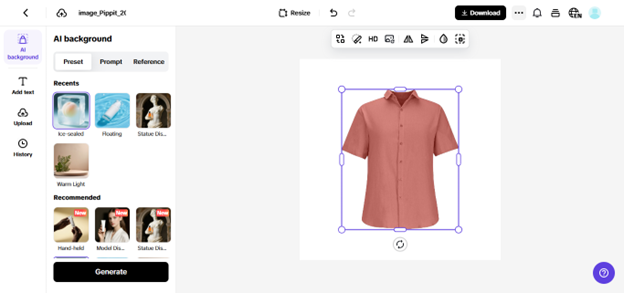
Various backgrounds give rise to different emotions. Impartial zones are educational. Personal environments are warm. Bold visuals feel energetic. Environmental change enables creators to manipulate emotional pacing without altering the tone of delivery or delivery. This flexibility can be achieved through an AI background generator, which allows one video to pass through various emotional beats in a natural way. Feeling keeps the audience entertained, and not updated.
Short-form platforms are visually intelligent.
The watch time is rewarded by algorithms. There is attention and watch time. The interest is maintained by the novelty and clarity. Scene switching is at the crossroads of both. It does not baffle the viewer since it rejuvenates the attention. This visual intelligence is a competitive edge in the crowded feeds. The designers who comprehend this layout produce videos that seem unstraining to watch.
Intention is the distinction between strategy and chance.
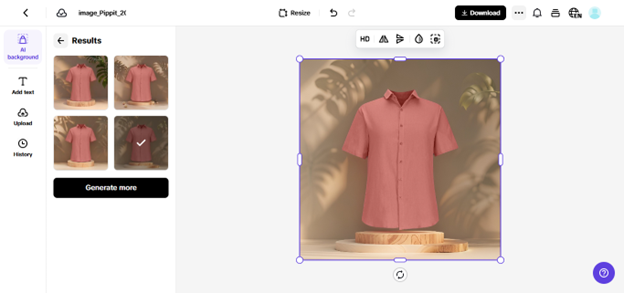
Background changes are distracting when they are random. Purposeful ones are supportive. The distinction is in planning. When creators match up those differences in the backgrounds with the ideas or emotional twists, the viewer will sense flow rather than discontinuity. It is possible that they are not aware of the technique, but they are led. The feeling makes them continue watching.
Effort is not better than leverage is to contemporary creators.
The majority of creators already possess good ideas. What they lack is leverage. The effect of changing scenes increases the effect of one recording session without increasing work.
This advantage will be of particular use to individual creators, teachers, and small teams that require effectiveness without quality.
Conclusion: design attention, don’t go piping after it.
It is not captured by attention once. It is re-earned in intervals of a few seconds. A background change is one of the best methods of re-earning it without overworking your audience. Pippit provides creators with the option to design visual rhythm on purpose, through variation of a scene to aid in storytelling, pacing and retention. Should you prefer not to make the viewers feel rushed, Pippit leaves you the control to make that come true. Keep your message steady. Let the background speak. And work on attention, lasting watch time.

