How to Use AI to Create Localized Ads at Scale
Learn how to use AI to create localized ads at scale, personalize campaigns by region, and boost engagement with smart automation.


In today’s hyper-competitive digital landscape, localization isn’t just a nice-to-have — it’s essential. Consumers expect ads that feel tailored to their language, culture, and context. But creating localized video ads for every audience segment can quickly become expensive and time-consuming, especially when you’re targeting multiple regions, languages, and platforms.
This is where AI steps in. Modern generative AI technologies have matured to the point where they can help brands produce high-quality, localized ads at scale — faster and more cost-effectively than traditional production workflows. In this article, we’ll explore how brands can leverage AI to create localized ads, why it matters, and how tools like Pollo AI are making scalable video localization accessible to teams of all sizes.
Why Localization Matters for Advertising
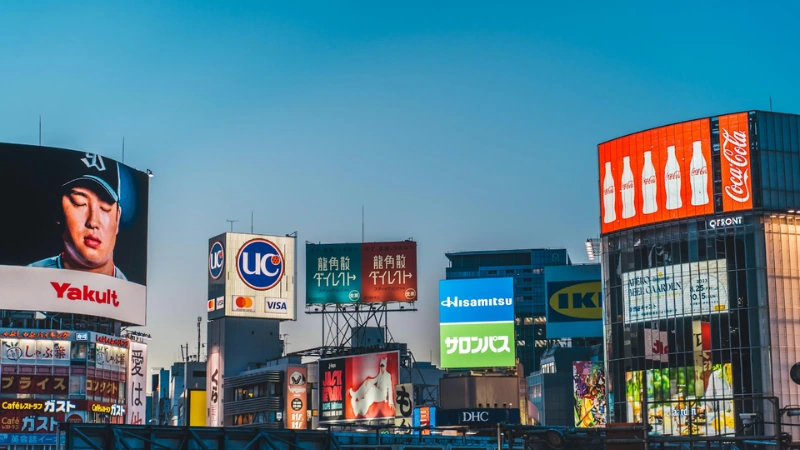
Localized advertising goes beyond translation. It’s about cultural relevance, contextual messaging, and emotional resonance. A slogan that works in New York might fall flat in Seoul. Visual elements, pacing, tone, and even music preferences vary across markets. When brands invest in localization:
- Engagement increases because viewers feel understood.
- Ad performance improves through higher relevance scores and lower cost-per-click.
- Brand affinity grows as audiences perceive brands as respectful and aware.
However, traditional localization workflows — script translation, voice-overs, editing, and rendering — can be slow and costly. AI changes that equation.
The Traditional Bottleneck
Before AI, a typical localized ad workflow looked like this:
- Translate the script
- Find voice-over talent
- Record audio in each language
- Edit video to sync with new audio
- Adjust visuals for cultural relevance
- Render separate files for each market
Multiply that by every language and market you target, and production time balloons. Not to mention the cost of freelancers, studios, and project management overhead.
Enter AI: Speed Meets Scale
AI transforms this process by automating key pieces of the workflow:
- Text-to-video generation lets you create full videos from scripts.
- Image-to-video tools animate static images into dynamic content.
- Reference-to-video generation enables you to produce new variations based on existing footage.
- Language models translate scripts and adapt messaging to local nuances.
With the right setup, you can go from concept to localized video in hours, instead of weeks.
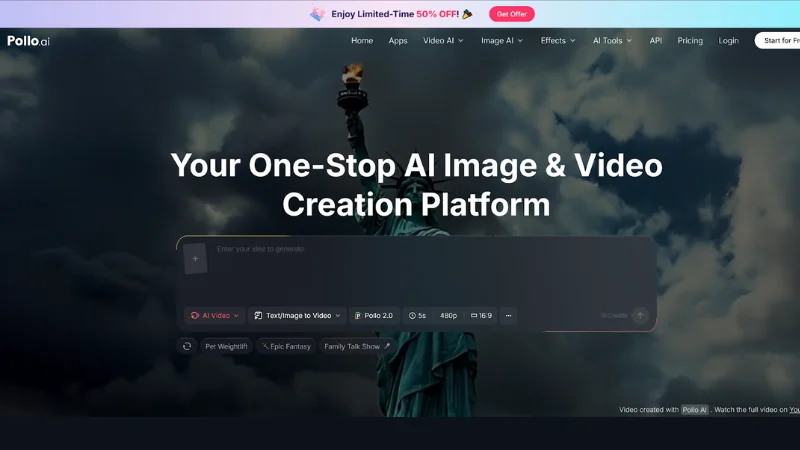
One of the most powerful platforms enabling this shift is Pollo AI, an all-in-one AI video generation solution built for marketers who need results without the complexity.
Pollo AI combines multiple generative capabilities — text to video, image to video, and reference to video — so marketers can create polished video ads without traditional editing. You don’t need to hire voice artists, outsource translators, or open After Effects. Instead, Pollo AI does the heavy lifting with intuitive prompts and AI models trained for commercial quality output.
What sets Pollo AI image to video apart:
- All-in-one workflow: Produce, localize, and iterate videos from a single platform.
- Multiple AI models: Access cutting-edge video generation engines like Veo3, Pika AI, and Sora, tailored to different styles and use cases.
- No editing required: Generate final-ready videos that perform on social platforms without manual post-production.
For teams looking to scale localized advertising, Pollo AI lets you focus on messaging and strategy rather than technical execution.
Practical Steps to Create Localized Ads with AI
Here’s a step-by-step approach to producing localized video campaigns:
1. Define Your Core Script
Start with a universal message that captures your brand value proposition. Keep it concise and adaptable. Write this in your source language.
2. Translate and Localize Copy
Use AI translation tools, ideally with cultural adaptation capabilities. Avoid literal translations; focus on tone and relevance. For best results, combine AI with human review when available.
3. Choose the Right AI Model
Different markets may prefer different visual styles. Pollo AI’s platform gives you access to models like Veo3 for cinematic output, Pika AI for dynamic social content, and Sora for expressive storytelling. Test small batches to see what resonates.
4. Generate Videos
Using the localized scripts, generate videos directly in Pollo AI. Experiment with:
- Text-to-video: For completely AI-driven visuals based on your copy.
- Image-to-video: When you have brand assets you want animated.
- Reference-to-video: When you want to maintain a consistent look from an existing ad.
Within minutes, you’ll have multiple localized video variants ready for review.
5. Review and Optimize
Even with AI, quality control matters. Watch for cultural sensitivity, tone, pacing, and linguistic accuracy. Make iterative adjustments with quick regeneration.
6. Publish and Analyze
Once approved, deploy your localized ads across platforms — TikTok, Instagram, YouTube, or programmatic networks. Track performance by region and optimize further using performance data.
Best Practices for Localized AI Ads
To get the most out of AI localization:
- Leverage native speaker review for key markets to avoid misinterpretations.
- A/B test versions with slight variations in visuals or voice to see what resonates.
- Keep creative fresh — AI makes it easy to iterate frequently without high cost.
- Respect cultural norms — imagery or phrasing can have different meanings in different markets.
Conclusion
AI is reshaping how brands create and scale localized advertising. Tools like Pollo AI make it possible to produce compelling, culturally adapted video content without complex editing or expensive production cycles. By leveraging text-to-video, image-to-video, and reference-to-video capabilities, marketers can generate localized campaigns faster and more efficiently than ever before.
If your brand is serious about scaling globally — without sacrificing local relevance — adopting an AI-first video workflow isn’t just a competitive advantage, it’s becoming a necessity. And platforms like Pollo AI are leading the charge.