
From Archived Photos To Living Visual Experiences
Discover how archived photos can become immersive visual experiences using AI, animation, and creative storytelling.

Many digital folders are full of images that have already done their first job. Product photos supported a launch. Portraits served a profile. Travel images captured a memory. Concept art explained an idea. After that first use, most of those images become quiet archives. They remain available, but not always active. A platform like Image to Video AI becomes interesting because it challenges that passivity. It suggests that a still image is not only something to keep. It is also something to reactivate.
This is a different way of thinking about AI video generation. Instead of asking whether the tool can produce impressive motion from scratch, it asks whether existing visual material can be given a second life through movement. That framing feels especially practical. Many creators, brands, and individuals already own thousands of still images. The missing piece is not source material. It is a workflow that can turn those images into motion-ready outputs without demanding a new shoot, a full edit, or specialist animation knowledge. That is where this category becomes useful. It extends value rather than inventing it from nothing. Of course, the results still depend on source quality, prompt clarity, and iteration. But the core promise remains compelling: archives can become active assets again.
Why Reuse Has Become A Creative Strength
Reuse used to carry an undertone of compromise. In creative work, it often sounded like settling for less. That perception is changing. In fast-moving digital environments, reuse can be a sign of efficient design rather than limited ambition. A good source image already contains form, mood, and visual investment. Extending it into motion is not necessarily repetition. It can be reinterpretation.
This matters because content demand keeps expanding while production time does not. Teams and individuals are asked to publish more variations across more channels. Under those conditions, the ability to derive several outputs from one source asset becomes a real advantage.
A Good Image Already Contains More Than One Possibility
An image may appear fixed, but it often contains latent directions for movement. Light can shift. A camera can move. A subject can breathe or turn. Background elements can imply atmosphere. The image is not empty of motion. It is only waiting for a workflow that can express it.
Reactivation Can Be More Valuable Than Reinvention
Not every communication problem needs a completely new asset. Sometimes the most efficient answer is to reinterpret something strong that already exists. This is especially true in campaigns, portfolios, and memory-based content.
What The Official Creation Process Actually Offers
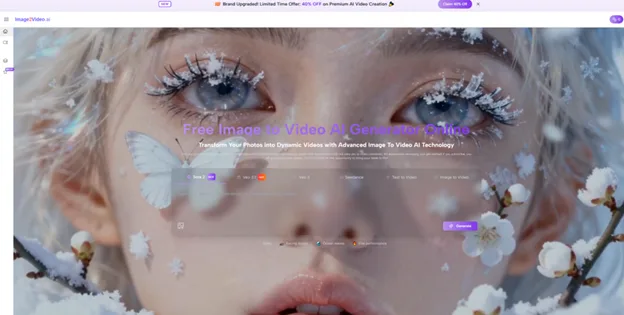
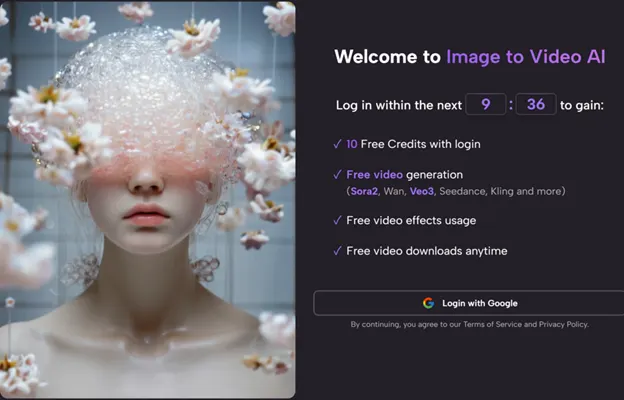
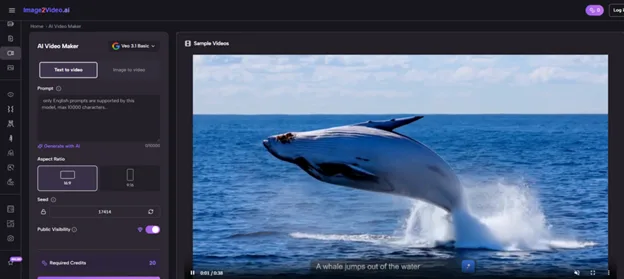
The official process is deliberately compact. Users upload an image, write a prompt, allow the platform to generate the result, and then download the short video. That direct sequence says a great deal about the product’s intention. It is designed to convert still visuals into motion with as little friction as possible.
This low-friction structure matters because it turns the tool into something that fits daily workflows rather than exceptional projects only. A user does not need to reserve time for full production. They can test an idea with an existing image and see whether motion improves its usefulness.
Step One Upload The Existing Image
The first step is simply bringing in the still image. This sounds trivial, but it is conceptually important. The platform begins with material the user already has. That means it is oriented toward extension rather than replacement.
Step Two Provide A Prompt For Movement
The prompt explains what kind of motion should happen in the scene. This stage is where reactivation becomes interpretation. The same photo can feel nostalgic, premium, cinematic, or energetic depending on how movement is described.
Step Three Generate Then Download The Clip
After generation, the user receives a short downloadable video. The value here is not endless post-production control. It is the speed at which an archived image becomes current again.
Why Archived Images Matter More Than Fresh Ones Sometimes
There is a strong tendency in creative industries to focus on what is new. Fresh campaigns, fresh visuals, fresh shoots. Yet older images often carry something newer assets do not: established emotional or brand meaning. An older image may already be recognized by an audience, associated with a milestone, or linked to a meaningful moment.
Turning those images into motion does more than refresh them visually. It reopens their context. A brand can revisit a successful product visual with new life. A creator can bring an earlier portrait into a current project. A family can animate a meaningful photograph without changing its underlying identity.
Memory-Based Content Gains Fresh Emotional Access
An old photo is often emotionally powerful because of what it represents, but it may feel distant because it is static. Motion can reduce that distance. Even a subtle shift can make memory feel closer to the present.
Legacy Brand Assets Can Reenter Current Channels
Older campaign images or heritage visuals often disappear because they were built for static publishing environments. Animation gives them a route back into motion-first spaces.
How Photo to Video Serves Real Working Libraries
A useful way to understand Photo to Video is to stop thinking about one-off uploads and start thinking about image libraries. Most individuals and teams already possess folders of portraits, products, landscapes, covers, mockups, and lifestyle shots. A workflow that can translate these into short clips turns those libraries into active creative resources.
Product Libraries Become Campaign Reservoirs
A brand with strong product photography can generate motion versions for seasonal pushes, feature highlights, or test ads without reshooting everything. This is not a replacement for original video, but it can fill many daily content needs.
Portrait Collections Gain Narrative Range
A single portrait archive can support profile refreshes, landing-page visuals, about-page motion headers, and social storytelling snippets. Motion adds expressive flexibility to a format that otherwise risks repetition.
Travel And Place Images Become Experiential
Landscapes, street photos, and interior shots often already contain atmosphere. A short motion layer can make them feel immersive enough for web headers, travel storytelling, or social mood posts.
Creative Drafts Remain Useful Longer
Concept sketches and design mockups are usually temporary. Yet once they can be turned into motion, they gain value for pitching, presenting, and developing ideas.
How Motion Extension Changes Content Planning
When still images can be converted into short videos quickly, the planning logic of content creation changes. Teams no longer need to divide assets strictly into image content and video content. One category can sometimes feed the other.
This matters operationally because planning becomes more modular. A campaign can begin with strong stills while leaving room for later motion conversion. A content team can prioritize flexible image acquisition knowing those assets may support multiple formats over time.
| Asset Source | Previous Use Pattern | Extended Use With Motion |
| Product photos | Catalogs, static ads | Motion teasers, story clips |
| Portrait archives | Profiles, bios | Brand intros, header visuals |
| Old campaign images | Historical reference only | Nostalgia-led reactivation |
| Travel and mood shots | Galleries, posts | Short experiential scenes |
| Concept art and mockups | Internal drafts | Pitch visuals, previews |
Planning Around Conversion Becomes Sensible
An image can now be selected not only because it works as a still, but because it also has future motion potential. This adds a new evaluation layer to content production.
Short Video Demand Becomes Easier To Meet
Many teams struggle not with producing one big video, but with maintaining a steady stream of smaller moving assets. Image-based generation can help meet that demand more consistently.
What Makes A Source Image Worth Reactivating
Not every archive image is equally suitable for motion. Some visuals are emotionally important but structurally weak. Others are technically clear but lack mood. Choosing the right source material remains an essential creative decision.
Readable Composition Supports Better Motion
Images with a clear focal point and manageable visual complexity usually respond better to movement. The viewer needs to understand the frame before motion can deepen it.
Atmosphere Creates Better Prompting Opportunities
Images that already imply weather, texture, light, or emotional tone often provide stronger foundations for convincing motion. The prompt can then extend existing cues rather than inventing them from nowhere.
Emotional Relevance Can Matter As Much As Technical Strength
For memory work or heritage storytelling, a technically imperfect image may still be worth animating because of what it means. The goal is not always perfect realism. Sometimes it is renewed connection
What The User Still Has To Do Well
The platform reduces technical difficulty, but it does not erase the importance of judgment. A reactivated image still needs the right motion concept. Too much movement can cheapen the source. Too little may add nothing. The user remains responsible for choosing what kind of life the image should gain.
Prompt Clarity Shapes The Mood Of Reactivation
A good prompt does not just request movement. It defines what kind of presence the image should take on. Is the result meant to feel intimate, dramatic, calm, documentary, luxurious, or playful? That distinction matters.
Iteration Should Be Expected In Archive Work
Reactivating existing images is often a process of testing. One motion direction may feel too generic, another too aggressive. Small refinements are often what make the final clip feel respectful to the original image.
Restraint Usually Honors The Source Better
Especially with portraits, old photos, or emotionally significant visuals, subtle motion often feels more powerful than exaggerated animation. The point is to reveal possibility, not overwhelm memory.
Why Image to Video Signals A Broader Shift In Visual Culture
The larger importance of Image to Video is that it changes how we classify visual assets. A still image no longer belongs only to the category of finished photography or design. It can also function as a starting point for motion. That blurs a boundary that used to feel stable.
This shift matters because creative production increasingly rewards systems over isolated outputs. A useful asset is no longer just well made. It is adaptable. It can move across placements, formats, and time periods. An archived photo that becomes a short clip embodies that adaptability perfectly.
Visual Archives Become Active Instead Of Static
Once motion generation becomes accessible, old folders stop being passive storage. They become creative inventories that can be revisited with new intent.
The Distance Between Memory And Media Narrows
For personal and brand storytelling alike, this is significant. A remembered image can now become a present-tense visual experience much more easily than before.
The Frame Stops Belonging Only To The Past
That may be the most powerful idea in the whole workflow. An image taken years ago can suddenly function inside current media habits without losing its identity.
Reactivation Becomes A Form Of Creation
This does not replace original making. It complements it. By turning archived stills into living visuals, the platform shows that creation can also mean reopening what already exists.
Seen this way, the tool is not just about generating motion. It is about giving stored images another chance to matter in the present. For many real-world workflows, that is not a side benefit. It is the main point.