

How Automation Is Transforming the Order Fulfillment Process
Learn how automation improves order fulfillment from order entry to picking, packing, shipping, and tracking. Boost speed, accuracy, and cost control with practical steps to get started.

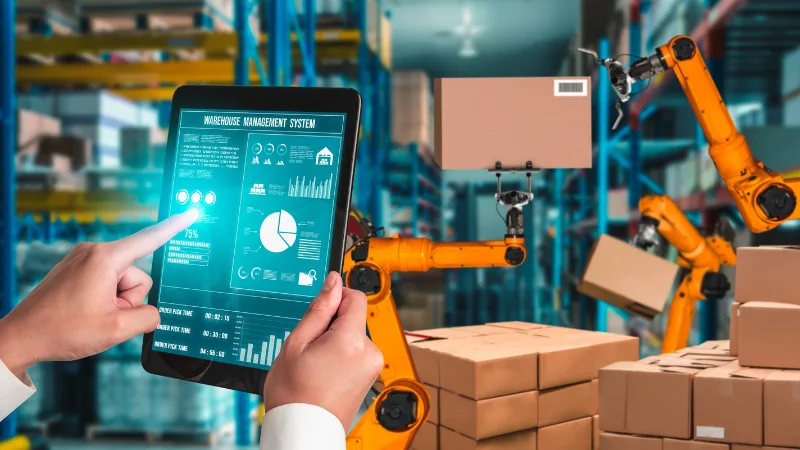
Every business that ships products knows that the order fulfillment process can make or break customer trust. When orders go out fast and right, your customers are happy. When a shipment is slow or wrong, their frustration grows.
Over the last few years, automation has changed this process in big ways. Let’s talk about it.
What ‘Order Fulfillment’ Really Means
These are the steps that we consider order fulfillment:
- A customer buys something.
- You pick the item from stock.
- You pack it up.
- You ship it out.
Each of them used to be done by hand. People wrote orders on paper, walked aisles to find items, and packed boxes one by one. That works okay at a small scale… until demand grows. Then mistakes happen. Orders take longer. And labor costs rise.
That’s where automation can help your business grow. It helps with repetitive work, so people can focus on more important tasks.
Why Does Automation Matter?
Automation means using machines, software, and systems to take over repetitive work. That work considers:
- Scanning barcodes (instead of checking by hand).
- Robots picking items from shelves.
- Software updates your inventory in real time.
One study found that 54% of the supply chain and logistics leaders surveyed are focused on automating repetitive tasks with technology in order to improve worker productivity.
Also, 52% of warehouses want to invest more in AI and machine learning in the next 2 years, and 42% of warehouses want to invest more in digital infrastructure within the next year.
Simply put, more companies are using machines and software because it makes fulfillment faster and cheaper.
How Automation Helps Each Step
Here’s what automation improves in the order fulfillment process:
Better Order Entry and Validation
Manual order entry can be slow and open to mistakes. Today, systems can:
- Capture order data from different channels.
- Validate info instantly.
- Route orders into backend systems.
That’s why so many businesses are moving to automated order processing software. You can start with automated order entry if your team spends too much time typing or fixing mistakes.
Real-Time Inventory Sync
One of the hardest parts of fulfillment used to be knowing what’s in stock. Now, automated systems update inventory the moment an order happens. That means:
- No surprise stockouts.
- Fewer canceled orders.
- Better planning for future demand.
Robots and Equipment for Picking
In many warehouses, robots now move goods. These machines can:
- Retrieve items from shelves.
- Bring goods to pickers.
- Do repetitive tasks without needing to take breaks.
That means fewer walking hours for people and more orders packed per hour.
But don’t think robots replace people entirely. They support workers by removing these easy and repetitive tasks, so that your employees can focus on quality checks and problem solving.
Packing and Shipping Becomes Smarter
Automation also helps packing stations:
- Machines can fill, weigh, and seal packages.
- Software chooses the best carrier.
- Shipping labels print without human input.
This cuts errors and speeds up delivery. Better packing also means fewer returns and customer complaints.
Tracking and Customer Updates
Automation doesn’t stop once an order ships. It also:
- Sends tracking info to customers.
- Updates status automatically.
- Alerts staff if there’s a delay.
This transparency builds trust. Customers like knowing where their order is at each step.
Why Do These Changes Matter for Your Business?
Automation improves the hard stuff and the soft stuff. Let’s break that into simple pieces.
Speed
Automated order fulfillment systems move faster than manual ones. That means orders go out sooner. Customers expect fast service. If you can’t offer that, they may choose someone else.
Accuracy
Mistakes cost money. Picking the wrong item or sending the wrong size leads to returns and refunds. Automated systems keep error rates very low. That saves time and protects profit.
Cost Control
Machines don’t get sick. They don’t need lunch breaks. While there’s an upfront cost, automation often leads to lower labor costs over time and higher volume without more staff.
Real Tools That Make a Difference
Automation isn’t one thing. It’s a mix of tools like robots and automated guided vehicles, software for order and inventory management, and systems that sync orders across all sales channels. Tools like these are revolutionizing storage solutions through technology right before our eyes.
How to Get Started With Automation?
If you think that your business could benefit from automation, here are some practical steps you could take:
- Map your current process. Before you decide what you want to do, you have to have a very clear picture of what you’re already doing. Write down every step of the process, and see what your weak spots are. Then, you can work on improvement.
- Start small. You don’t have to go big or go home right away. When you see what you need to work on, pick one task that won’t cause a lot of confusion for your team. Then, you can ease into it.
- Train your team. No matter what kind of new tech you buy, your team has to be able to use it. If your staff doesn’t understand the tools, mistakes will still happen.
The New Normal for Order Fulfillment
Automation is reshaping the order fulfillment process by removing manual work, improving speed, and cutting errors. It helps teams do more without burning out. It helps customers get what they ordered faster and with fewer mistakes.
And everyone knows that happy customers make a successful business.
The key is not to fear automation. Instead, think of it as a tool that helps your business become better. You can start with small steps, and then expand later on. You don’t need every robot or every software at once. But if you begin now, you’ll save time and money in the long run. And most importantly, your customers will notice.

