

Why Ready-Mix Concrete Haulers Are Losing Money Without the Right Dispatch Technology
Ready-mix concrete haulers often lose significant revenue due to manual dispatch processes, inefficient routing, and delayed billing cycles.

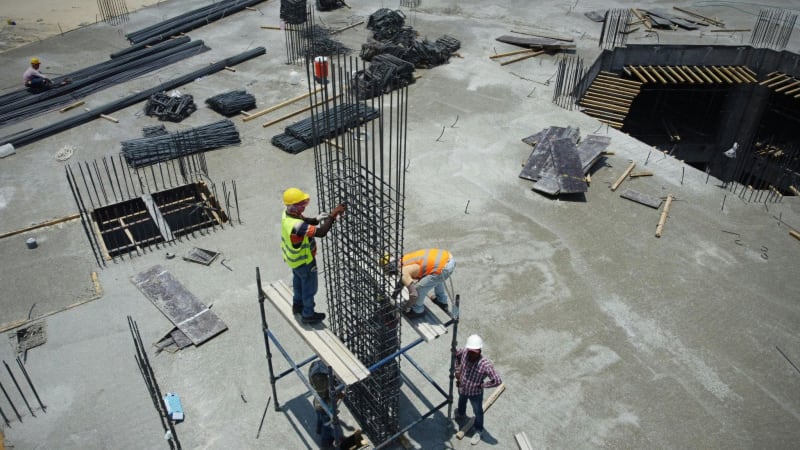
Ready-mix concrete is one of the few materials in the construction supply chain that starts losing value the moment it is produced.
From the second a batch leaves the plant, the clock is ticking, and any delay in dispatch, routing, or delivery can result in wasted loads, unhappy contractors, and revenue that disappears before it ever hits the books.
Despite that reality, a surprising number of concrete haulers still rely on manual processes to manage their dispatch operations.
Phone calls, paper tickets, whiteboard schedules, and spreadsheets remain the backbone of many fleets, creating bottlenecks that slow everything from load assignment to invoicing.
The cost of sticking with outdated methods is no longer just an inconvenience. It is a competitive disadvantage that compounds with every load.
The Hidden Costs of Manual Dispatch in Concrete Hauling
When dispatchers are forced to manually enter the same customer details, job site addresses, and mix specifications for every load, errors become inevitable.
A single mistyped address or incorrect mix code can send a truck to the wrong location, wasting an entire load of perishable material that cannot be reused.
Beyond data-entry mistakes, manual dispatch creates a visibility gap that ripples through the entire operation.
Dispatchers cannot see in real time where every truck is, which drivers are available, or how long a pour has been waiting, so they end up making scheduling decisions based on incomplete information.
This lack of visibility also delays the back office. When invoicing and payroll depend on physical paper tickets being returned by drivers at the end of the day, billing cycles stretch out, cash flow slows down, and administrative staff spend hours reconciling data that should have been captured automatically.
The problem gets worse as fleet size grows. What works passably for a five-truck operation falls apart quickly when you are coordinating dozens of daily pours across multiple plants and job sites.
What Modern Ready-Mix Dispatch Technology Actually Solves
The shift toward digital dispatch platforms is not just about replacing paper with screens. It is about fundamentally changing how information flows through a concrete hauling operation, from the moment an order is placed to the final invoice.
A purpose-built ready-mix dispatch software platform captures all load details at the point of dispatch, including mix type, yardage, pour time, job site location, and customer billing information.
That data then populates automatically downstream for driver communication, digital ticketing, invoicing, and payroll, eliminating the need to enter the same information multiple times.
This single-entry approach is one of the most impactful changes a concrete hauler can make.
When dispatchers only need to input load details once instead of six or seven times, the time savings alone free up hours each day that can be redirected toward managing more loads.
Real-time truck tracking is another capability that transforms dispatch decisions.
When a dispatcher can see exactly where every vehicle is, how long each truck has been on site, and which drivers are closest to the next pour, they can make smarter assignments that reduce idle time and prevent late deliveries.
Why Generic Trucking Software Falls Short for Concrete Fleets
Not all dispatch platforms are created equal, and this is where many concrete haulers run into trouble.
Most transportation management systems are designed for dry freight or long-haul logistics, where delivery windows are measured in days rather than minutes.
Ready-mix operations have fundamentally different requirements. Loads are perishable, delivery windows are extremely tight, daily load volumes are high, and dispatchers need to track concrete-specific data points like slump, mix design, batch plant, and washout timing.
A generic TMS typically does not offer templates for these variables or the ability to dispatch loads in bulk using pre-filled job details.
That forces dispatchers to work around the software rather than with it, creating inefficiencies that defeat the purpose of going digital in the first place.
The onboarding experience also differs significantly. Many general-purpose platforms offer self-service setup with video tutorials and documentation, but concrete haulers often need hands-on training tailored to their specific plants, job types, and workflows to get real value from the system.
Key Features That Separate the Best Platforms from the Rest

When evaluating dispatch technology for a concrete fleet, there are several capabilities that should be non-negotiable.
The first is the ability to create and reuse dispatch templates for recurring jobs, storing details like customer information, rate structure, mix design, and destination so that new loads can be assigned in just a few clicks.
Drag-and-drop load assignment is another feature that dramatically speeds up the dispatch process.
Being able to view all trucks, drivers, and scheduled pours on a single screen and assign jobs by simply dragging a load onto a driver’s timeline eliminates the back-and-forth that slows down phone-based dispatch.
Digital ticketing with automatic data extraction is equally important. When drivers can upload delivery tickets directly from their phones and the system uses optical character recognition to pull key values like ticket number, delivered yardage, and time on site, the entire chain from delivery to billing becomes seamless.
Automated invoicing and payroll calculation round out the core feature set.
The best platforms take the load data already captured at dispatch and use it to generate customer invoices with the correct line items, including material type, price per yard, fuel surcharges, and wait time, while simultaneously calculating driver pay based on saved rate structures.
Finally, reporting and analytics capabilities allow fleet operators to track profitability by customer, job type, or driver, measure on-time delivery performance, and identify inefficiencies that would otherwise go unnoticed.
These insights turn raw operational data into decisions that directly improve the bottom line.
How Digital Dispatch Impacts the Bottom Line
The financial case for upgrading dispatch technology is straightforward once you quantify the time and money lost to manual processes.
Consider that a dispatcher entering the same load details six or seven times per load across 50 daily deliveries is spending hours on redundant data entry that adds zero value.
Multiply that by the billing delays caused by waiting for physical paperwork, the revenue lost to missed loads or wrong deliveries, and the overtime hours generated by poor scheduling visibility, and the true cost of manual dispatch becomes significant.
For many fleets, these hidden costs add up to tens of thousands of dollars each month.
On the other side of the equation, fleets that adopt specialized dispatch platforms consistently report faster load turnaround times, fewer missed deliveries, and shorter billing cycles.
The ability to dispatch more loads per day with the same number of trucks and drivers is effectively a capacity increase that requires no additional capital investment. Driver retention also improves when communication is streamlined.
When drivers receive clear, complete load instructions via text message rather than relying on phone calls and handwritten notes, their jobs become less frustrating and more efficient, reducing turnover in an industry already struggling to attract and keep qualified operators.
Making the Transition Without Disrupting Operations
One of the biggest concerns concrete haulers have about adopting new technology is the fear of disruption during the transition period.
This is a valid concern for any operation where a single missed pour can damage a customer relationship.
The best dispatch platforms address this by offering personalized onboarding that is tailored to the specific workflows, plants, and job types of each fleet.
In-person training for dispatchers, back-office staff, and drivers ensures that every role in the operation understands the system before it goes live.
Equally important is choosing a platform that was designed for non-technical users from the start.
If the software requires extensive training just to perform basic tasks, adoption will stall, and the team will revert to old habits within weeks.
This challenge of bridging digital tools with practical site-level adoption is something the wider construction sector is grappling with, as explored in this look at improving efficiency and safety on modern UK construction sites.
The concrete hauling industry is evolving, and the fleets that invest in the right technology now will be the ones that scale efficiently, retain their best drivers, and win the jobs that demand precision and reliability.
The tools exist today to eliminate the manual bottlenecks that have held this industry back for decades.