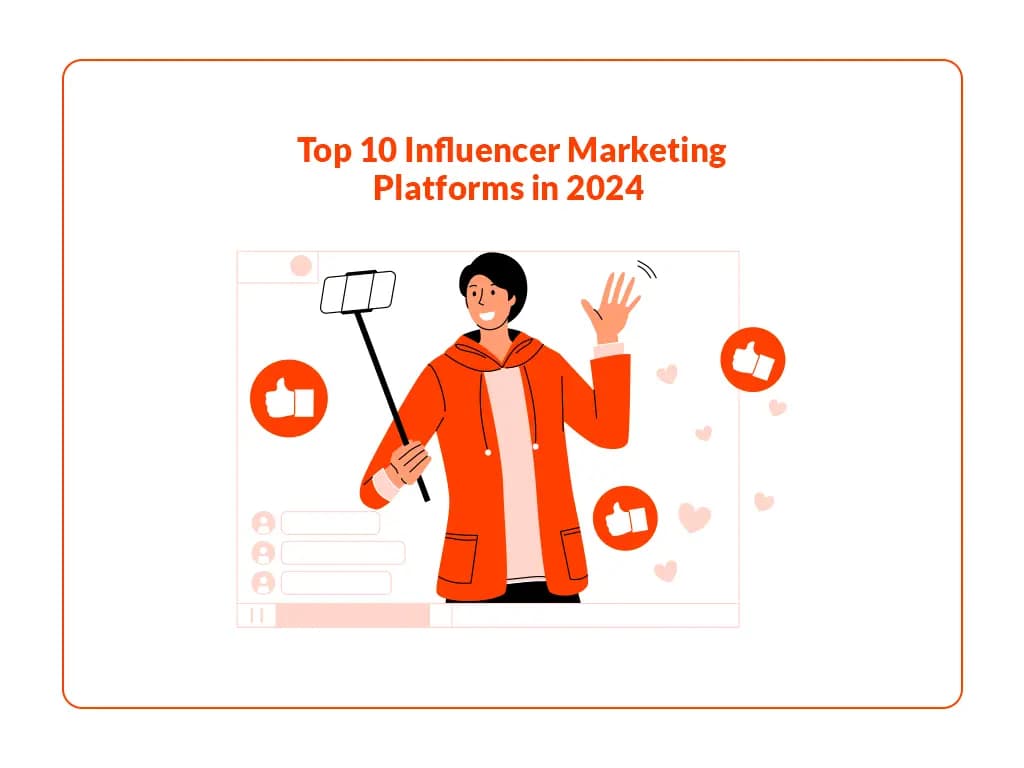
Looking for the best way to connect with your audience through influencers in 2025? With so many influencer marketing platforms out there, it can be challenging to find the right one. Whether you are handling social media campaigns or maintaining a brand, the right influencer marketing platform may significantly boost your success. To assist you, we have rounded up the top 10 influencer marketing platforms to consider in 2025. To explore the significance of influencer marketing further, check out this article.
1. Sprout Social
 Sprout Social is uniquely known as one of the top influencer marketing platforms for its all-in-one suite of tools. It provides everything you require from tracking the success of your campaigns to gaining valuable insights into your audience. With its user-friendly interface, Sprout Social makes maintaining social media strategies and influencer relationships much easier which saves you time and effort.
Why Use It:
-
Comprehensive Campaign Management
You can launch a “Spring Collection Launch” campaign with Sprout Social. It assists you by easily tracking progress, scheduling influencer posts, and coming up with new ideas for content and you can focus more on reaching your marketing goals and simply create engaging content by managing posts as required with the timeline view.
-
Audience Insights
Consider promoting a new fitness product, for example, finding that the most of your audience consists of young professionals from age 25–35 years old who are interested in health tips. Your campaign’s efficiency can be increased by choosing the right fitness influencer who has similar interests. Improved engagement and genuine connections are fostered and driven by making well-informed decisions based on audience insights.
-
Efficient Content Scheduling
Suppose you are launching a summer fashion line. You can schedule influencer posts for peak engagement times like early evenings or weekends when your audience is most active. By doing this, you increase the likelihood of your posts being seen and shared, enhancing your campaign’s success.
-
Real-Time Monitoring
If you are running a product launch and notice that one influencer’s post is not getting much traction then you can quickly shift strategies. Maybe you decide to encourage the influencer to create additional content or boost that post through paid promotion. This proactive approach assists to ensure you get the best results from your campaigns.
| Pros | Cons |
| End-to-End Campaign Tracking | Cost |
| Improving Audience Engagement | Learning Curve |
| Performance Management | Limited Influencer Databaase |
| Customization Limitations | |
| Integration Challenges |
Sprout Social is a top-notch platform for influencer marketing, and from your recommendation, it’s perfect for new businesses. Its user-friendly interface, comprehensive campaign management, and valuable audience insights make it easy to launch effective campaigns. We rate it 4 out of 5 for its robust features and real-time monitoring. While it’s a bit pricey, the investment pays off for those looking to grow their social media presence.
2. Shopify Collabs
 Shopify Collabs is designed for e-commerce brands that want to harness the power of influencers without the hassle of maintaining multiple platforms. This tool permits you to handle influencer collaboration and affiliate programs directly within your Shopify store, streamlining the whole process. From discovering influencers to sending them products and setting up affiliate links, everything is integrated. You can also track the impact on sales and traffic, which makes it simple to see what’s working. Shopify Collabs eliminates the requirement for external tools which gives you a seamless way to maintain influencer marketing and focus on growing your e-commerce business effectively.
Why Use It:
-
Seamless Integration with Shopify
Imagine you are launching a new clothing line. Rather than using third-party tools to reach influencers, Shopify Collabs lets you connect with them directly through your store. You can send products, track their posts, and monitor sales generated from their content all in one place. This streamlined process assists you manage influencer partnerships more effectively and focus on what truly matters by boosting sales and brand visibility.
-
Affiliate Program Management
Let’s say you have collaborated with an influencer to market your skincare product line. Shopify Collabs makes it easy to track the number of sales generated by their posts and computes their commissions automatically. Influencer partnerships are hassle-free and smooth because of this streamline process which ensures transparency and saves time.
-
Simplified Collaboration
Suppose you are launching a new clothing line. Influencers on Shopify can send offers and product samples by Shopify Collabs. After they advertise your products, you can track the sales driven by their content and see right away how their followers engage with the posts. This boosts the efficiency of your campaign and streamlines the entire collaboration process.
| Pros | Cons |
| E-commerce growth | Limited scope for non-shopify users |
| Affiliate Campaigns | Dependency on influencer availibility |
| Promotions | Potential for over-saturation |
| Learning curve |
At Valasys Media, we highly recommend Shopify Collabs for e-commerce brands aiming to simplify influencer marketing. Its seamless integration allows you to manage everything like from finding influencers to tracking sales, all within your Shopify store. While it does have a few limitations, like reliance on influencer availability, I’d rate it a solid 4.5 out of 5. If you’re starting a business, Shopify Collabs is an excellent choice to kickstart your influencer partnerships.
3. Tagshop
 Tagshop’s specializes in user-generated content (UGC) that creates social proof which is the main reason it is rapidly becoming a popular influencer marketing platform. Tagshop enables companies to display actual user experiences by matching brands with influencers who create authentic and relatable content. This strategy not only increases credibility but also caters to potential customers’ trust. Because of this, brands can increase engagement and boost conversions by using real storytelling which makes Tagshop the perfect option for anyone wishing to establish a deep connection with their audience.
Why Use Tagshop
-
Amplifies Brand Credibility
By using influencer-driven content to highlight real user experiences, Tagshop increases brand credibility. Potential buyers are more prone to engage with your brand when they witness actual users of your products as this nurtures trust and social proof. Consider a skincare company that uses, Tagshop to work with influencers who share real reviews and before-and-after photos. Potential buyers are reassured that the products are efficient by seeing actual results from actual users which motivates them to buy. Brands can increase their overall credibility by employing this type of content to nurture a sense of authenticity and trust.
-
Increases Audience Engagement
A clothing company that uses Tagshop encourages users to share photos of themselves wearing its products and by encouraging others to share their outfits as well then these posts can be highlighted on the brand’s social media accounts. Customers feel more a part of the brand and appreciated as a result of this engagement cycle.
-
Cost-Effective Marketing
A small coffee shop may encourage customers to use a specific hashtag when posting images of their coffee on social media. The store may provide discounts for the best submissions or display these posts on its page in exchange. This strategy increases interaction which builds a feeling of community, and promotes the company without causing any high expenses of traditional advertisements.
-
Boosts Conversion Rates
Followers who relate to the fitness influencer’s lifestyle might be more motivated to try the product themselves if they see the influencer using a new protein shake in a video and discussing how it fits into their daily routine. They feel more confident about the purchase after they see someone they respect and trust using it. By letting customers speak for your brand, you’re not only saving money but also building trust and creating connections.
-
Encourages Community Building
Imagine a fashion brand partnering with influencers to showcase their latest collection on Tagshop. As users engage with the posts, comment, and share their own style ideas, the brand fosters a sense of belonging and shared interest. This creates a loyal community where both influencers and customers feel valued and involved. It’s not just about selling a product—it’s about growing a community that supports and connects with the brand’s vision.
| Pros | Cons |
| Building brand loyalty | Audience Misalignment |
| Gathering valuable feedback | Risk of Negative Feedback |
| Effective storytelling | Cost of Partnerships |
| Expanding reach | Platform Saturation |
Tagshop is a fantastic platform for businesses wanting to leverage user-generated content (UGC) and influencer marketing, making it a great fit for startups. By highlighting real user experiences, it builds brand credibility and encourages community engagement, which can significantly boost conversion rates and create authentic connections. We give it a strong 4.5 out of 5 because it’s an excellent choice for brands looking for genuine engagement and a vibrant community, similar to what Valasys Media offers.
4. Heepsy
 For companies trying to find the right YouTube and Instagram influencers then Heepsy is an invaluable tool. You can find influencers who truly connect with your potential audience by using its easy-to-use filters to narrow down your search by categories, engagement rates, and locations. Heepsy streamlines the process whether you are searching for lifestyle bloggers, fitness enthusiasts, or beauty specialists. You can enhance your marketing tactics and cultivate genuine collaborations that drive results by utilizing this platform. Moreover, the potential to assess influencer metrics provides you with the assurance to make well-informed choices for your brand.
Why Use It
-
Personal Connections
A nearby coffee shop may collaborate with a micro-influencer who posts about their coffee experiences on Instagram. The influencer encourages their loyal followers to visit the store by sharing a personal narrative and a cozy photo. Increased foot traffic and loyalty are the results of this real connection which gives marketing a relatable and sincere feel.
-
Cost-Effective Marketing
A small organic snack company might collaborate with a number of health-conscious micro-influencers and the brand can offer free snack boxes to celebrity influencers in return for Instagram posts or stories, as an alternative to paying them a hefty fee. Followers who trust the influencers’ recommendations are more likely to try the brand themselves as they share their own experiences eating the snacks. With this strategy, the snack company can connect with various interested audiences without going over budget on marketing while still building genuine relationships with health-conscious consumers.
-
Localized Impact
Heepsy could be used by a family-run eatery in Austin to identify regional food influencers who frequently post about their dining experiences. The restaurant can reach a local audience by working with these influencers to advertise its new menu or weekend specials and because the recommendation seems genuine and pertinent, followers who live nearby are more likely to go.
| Pros | Cons |
| Streamlined search process | Limited influencer pool |
| Comprehensive campaign management | Cost considerations |
| Access to metrics | Learning curve required |
| Cost-Effective Marketing |
For businesses seeking YouTube and Instagram influencers, Heepsy is an excellent choice. Its user-friendly interface and powerful filtering options make finding the right influencers a breeze. Heepsy is especially great for small businesses, allowing cost-effective collaborations with micro-influencers. While there’s a learning curve and a limited influencer pool in some niches, we rate it 4 out of 5 for its effectiveness in building genuine connections. Give it a try!
5. Upfluence
 Upfluence connects directly with your e-commerce platforms which helps you find influencers from your own customer base. By identifying people who already love your brand, you can build genuine, authentic partnerships. This approach makes influencer marketing more natural, as they are working with real fans who are excited to promote what they provide, creating stronger and more trustworthy collaborations.
Why Use It
-
Leverage Existing Loyalty
Working with a well-known lifestyle blogger who regularly promotes your products and has a large following can result in a more effective campaign. Their audience is moved by their sincere passion for your brand, which increases engagement and trust. By doing this, you’re connecting with people who genuinely believe in what you have to offer rather than just selecting influencers.
-
Data-Driven Insights
Imagine you’re a sustainable clothing brand. By using data to discover influencers who advocate for eco-friendly fashion and have an engaged following, you can partner with someone who not only shares your mission but also attracts an audience that appreciates your products. This thoughtful approach increases the chances of successful collaborations, as you’re not just choosing influencers randomly; you’re connecting with those who genuinely resonate with what you stand for. Ultimately, this leads to more authentic engagement and better results for your campaigns.
-
Efficient Outreach
If a beauty brand identifies an influencer who frequently shares their products on social media, you can reach out to them for collaboration. Since this influencer already loves and uses your products, their excitement can translate into genuine content that resonates with their followers. This not only saves your time in searching for new influencers but also enhances the likelihood of creating impactful partnerships, as these influencers can authentically share their experiences and insights about your brand.
| Pros | Cons |
| Seamless affiliate integration | Limited control over content |
| Tailored content creator partnerships | Potential for mismatched expectations |
| Diverse influencer discovery | Time-consuming vetting process |
| Variable performance |
We wholeheartedly recommend Upfluence for brands venturing into influencer marketing. It excels at connecting with loyal customers, helping you forge genuine partnerships that really resonate with your audience. Plus, its data-driven insights make it a breeze to find influencers who match your brand values. While you may have limited control over the content, Upfluence truly stands out for its efficiency and authentic engagement. We’d rate it a solid 4.5 out of 5 which is definitely worth considering!
6. Grin
 Grin is a favorite among large brands for its comprehensive influencer relationship management tools. It simplifies everything from initial outreach to tracking paid partnerships, making it easy for you to manage large-scale influencer campaigns. With features like automated messaging and performance analytics, you can streamline your processes, enhance collaboration, and ensure every partnership is effective and aligned with your goals.
Why Use It
-
Centralized Management
Say you’re launching a new product and collaborating with multiple beauty influencers. With Grin, you can track each influencer’s deliverables, monitor their posts, and see how well they’re performing—all without getting overwhelmed by spreadsheets or emails. This streamlined approach keeps you organized, helping you focus on creating impactful campaigns rather than getting lost in the details. Plus, it fosters better teamwork, as everyone can access the same information and stay on the same page.
-
Scalability
Let’s say you initially partner with five influencers for a seasonal campaign. As the campaign gains traction, you can bring on ten more influencers to reach a broader audience. With Grin, they can quickly onboard these new partners, set up their campaign details, and monitor performance—all from one centralized dashboard. This flexibility not only saves your time but also ensures that your marketing efforts remain organized and effective, allowing you to maximize your impact and grow your brand presence without any hiccups.
-
Comprehensive Analytics
Imagine you run a campaign with multiple influencers promoting a new product. With Grin’s analytics, you can analyze the performance of each influencer’s posts—seeing who generated the most engagement or drove the highest sales. If one influencer’s content led to a significant spike in website traffic while another’s didn’t perform as well, you can adjust your strategy accordingly. This insight not only helps you refine your current campaigns but also informs your decisions for future collaborations, ensuring you continue to work with influencers who truly resonate with your audience and drive meaningful results for your brand.
| Pros | Cons |
| Streamlined contract management | Learning curve |
| Effective relationship building | Cost considerations |
| Holistic campaign management | Dependence on technology |
| Limited customization |
We genuinely recommend Grin for managing influencer relationships. Compared to other platforms like AspireIQ and Traackr, Grin makes it easy to keep track of campaigns, onboard new influencers, and analyze performance. Sure, there’s a bit of a learning curve, but the advantages really shine through. It’s perfect for businesses starting their influencer marketing journey. We’d give it a solid 4 out of 5 and it’s a fantastic tool for creating impactful campaigns that truly resonate!
7. AspireIQ
 AspireIQ is designed for brands that value long-term relationships with influencers, making it ideal for those seeking ongoing partnerships rather than one-time promotions. The platform provides tools to create custom influencer campaigns tailored to your brand’s needs, helping you manage relationships effectively. By fostering these connections, you can build authentic collaborations that resonate with your audience and drive lasting results.
Why Use It
-
Sustained Brand Loyalty
The ongoing relationship allows their followers to see the influencer’s genuine enthusiasm for your brand, fostering trust and loyalty among their audience. As a result, you can build a community of engaged customers who feel a connection to your brand, leading to repeat purchases and positive word-of-mouth. By prioritizing these lasting partnerships, you can create a supportive network that enhances your brand’s credibility and encourages sustained loyalty from both influencers and their followers.
-
Consistent Messaging
If you collaborate with a fitness influencer on a series of campaigns, they can integrate your products into their regular content, such as workout routines or nutrition tips. As they consistently highlight your brand, their audience begins to recognize your products as a trusted part of their fitness journey.
-
Cost Efficiency
If you regularly collaborate with a beauty influencer on product launches, you might start with a higher rate for the first campaign. However, as you can continue to work together, you can discuss a more favorable pricing structure for future campaigns. This can include package deals or discounts for multiple collaborations, which can significantly reduce your overall marketing budget.
| Pros | Cons |
| Nurturing authentic connections | Learning Curve |
| Customizable campaign strategies | Cost considerations |
| Streamlined communication | Influencer availability |
| Dependence on influencer engagement |
We absolutely recommend AspireIQ for brands aiming to build long-term relationships with influencers. Unlike platforms like Influencity and Upfluence, AspireIQ focuses on sustained collaborations, fostering genuine connections that enhance brand loyalty. Its customizable campaign strategies and cost-efficient pricing make it ideal for businesses just starting out. While there’s a learning curve, the streamlined communication and potential for ongoing partnerships outweigh the challenges. Overall, I’d rate AspireIQ a solid 3.5 out of 5 for its effectiveness and value in influencer marketing.
8. Klear
 Klear stands out with its advanced, AI-driven analytics that empower you to optimize your influencer marketing campaigns effectively. By providing real-time insights, you can see which strategies are delivering the best results and adjust your approach accordingly. For example, if a particular influencer’s content drives high engagement, you can focus on similar partnerships in the future, ensuring your marketing efforts are not just effective but also yield a strong return on investment.
Why Use It
-
Comprehensive Influencer Database
If you’re launching a new eco-friendly product, you can easily find influencers who focus on sustainability and have a dedicated following interested in green living. This targeted approach helps you to reach audiences that genuinely care about your brand’s values, enhancing the relevance of your campaigns and increasing the chances of meaningful engagement. By connecting with the right influencers, you can create authentic content that resonates with their followers, driving better results for your marketing efforts.
-
Data-Driven Decisions
For instance, if you notice an influencer has a high engagement rate but a smaller following, this could indicate a loyal and interactive audience, which might be more valuable for your brand than simply chasing someone with millions of followers. By understanding the specifics of who engages with the influencer, you can ensure your partnerships align with your target audience. This helps you select influencers who not only promote your products effectively but also resonate with potential customers, leading to more meaningful connections and ultimately driving better campaign results.
-
Real-Time Performance Tracking
Real-time performance tracking is a game changer for your influencer campaigns. It allows you to keep a close eye on how each post is performing, giving you immediate feedback on what’s working and what isn’t. For example, if you notice that an influencer’s recent post isn’t generating the expected engagement, you can quickly analyze the content and the timing. Maybe it’s the visuals or the message that isn’t resonating with their audience. With this insight, you can reach out to the influencer to suggest changes, like adjusting the caption or using different hashtags, ensuring you’re always on the right track. This flexibility helps you to maximize your campaign’s effectiveness, allowing you to pivot your strategies in real-time and achieve the best possible results. By staying agile, you can adapt to your audience’s preferences, enhancing overall engagement and driving better outcomes for your brand.
| Pros | Cons |
| Targeted insights | Steep learning curve |
| Proactive strategy adjustments | Potential over-reliance on data |
| Enhanced content performance | Subscription costs |
Klear stands out as a prominent choice for influencer marketing, most probably for those just starting out. Its comprehensive database helps you connect with the right influencers while real-time performance tracking lets you maintain strategies quickly. In comparison to platforms like AspireIQ and Traackr, Klear provides superior analytics and a user-friendly interface. We’d rate it 3.5 out of 5 for its effectiveness in driving engagement and ROI. Partnering with Valasys Media, Klear can enhance your campaigns and help you achieve meaningful connections with your audience.
9. Creator.co
 Creator.co provides a vibrant marketplace that connects you with a diverse array of influencers, catering to various niches and audiences. Its user-friendly interface makes it incredibly easy for you to launch influencer campaigns quickly. For small and medium-sized businesses like yours, this means you can tap into influencer marketing without a steep learning curve, allowing you to maximize your reach and engagement effortlessly. To learn more about why Creator.co ranks among the best influencer marketing platforms, check out this article.
Why Use It
-
User-Friendly Interface
The platform is crafted for ease of use, enabling you to navigate smoothly and set up influencer collaborations without needing extensive training. For instance, you can quickly create a campaign by selecting from simple dropdown menus and templates, allowing you to focus on what matters most—building relationships with influencers. This means you can jump right into influencer marketing without getting bogged down by complicated processes or technical jargon.
-
Quick Access to Influencers
You can enjoy instant access to a diverse network of influencers across multiple niches, allowing you to pinpoint and reach out to potential partners quickly. For example, if you’re launching a new eco-friendly product, you can easily find influencers in the sustainability space who are genuinely passionate about your mission.
-
Template Campaigns
If you’re preparing for a seasonal sale, you can choose a template focused on promotions and easily adjust it with your branding and product details. This saves your time and ensures you stay organized. By leveraging these templates, you can hit the ground running and execute your campaigns more efficiently, allowing you to focus on engaging your audience and driving sales.
| Pros | Cons |
| Speedy collaboration | Quality control concerns |
| Diverse influencer marketplace | Potential for high competition |
| Ready-to-use resources | Dependency on platform |
| Scalable campaigns | Learning curve for new features |
We genuinely recommend Creator.co for influencer marketing, especially if you’re a small or medium-sized business. It’s so easy to use and way simpler than platforms like Upfluence or AspireIQ. We love how quickly we can connect with a variety of influencers, perfect for targeting specific audiences. Plus, the ready-to-use templates keep you organized and save time. I’d give it a solid 3.5 out of 5. It’s a great option for anyone wanting to boost their marketing without the fuss.
10. Influencity
 Influencity offers you to access over 70 million influencer profiles across multiple social media platforms, making it easy to find the perfect fit for your campaigns. Its powerful combination of influencer search and advanced analytics allows you to assess engagement rates, audience demographics, and more. This insight is crucial for brands who want to run global influencer campaigns effectively, ensuring you reach the right audience every time.
Why Use It
-
Global Influencer Network
For instance, if you’re introducing a new product in Brazil, you can partner with influencers based there who can share their personal experiences in a way that resonates with their followers. Their insights into local customs, preferences, and trends help you to craft messages that feel authentic and relatable. By tapping into these local markets, you can create targeted campaigns that not only boost engagement but also foster genuine connections with potential customers. This approach allows you to celebrate diverse cultures and ensure your brand message aligns perfectly with the unique values of each audience. In turn, this leads to higher trust and loyalty, making your marketing efforts more effective and meaningful.
-
Multi-Language Support
When launching a campaign targeting both Spanish-speaking and English-speaking audiences, you can use the platform’s multilingual features to create tailored messages for each group. By providing localized content, you ensure that influencers can share your brand story authentically. This approach not only enhances your connection with diverse audiences but also boosts engagement by respecting cultural nuances.
-
Cultural Insights and Trends
If you’re promoting a fashion line in the Middle East, the platform can help you to understand local trends, such as modest fashion preferences. By leveraging these insights, you can collaborate with influencers who specialize in this niche, creating content that resonates with the audience. This targeted approach not only enhances your brand’s appeal but also fosters genuine connections with potential customers.
| Pros |
Cons
|
| Expanding brand visibility globally | Management complexity |
| Efficient large-scale searches | Cultural misalignment risks |
| Localized campaigns | Higher costs |
You can genuinely recommend Influencity for influencer marketing, rating it 4.5 out of 5. With access to over 70 million influencer profiles and strong multi-language support, it excels at connecting you with local influencers who understand cultural nuances. Unlike other platforms, Influencity offers valuable insights into engagement rates and trends. While it can be more complex and costly to manage, its ability to create authentic, localized campaigns makes it ideal for brands starting out.
Price Table
Below is a comparison table outlining the subscription prices for top influencer marketing platforms in 2024. These prices can vary depending on the features and services each platform offers. For more insights on how to leverage influencer marketing effectively in B2B, check out this article.
Name |
Price of Subscription Model |
| Sprout Social | The standard plan price starts at $199/ month |
| Shopify Collabs | The basic plan price starts at $17.83/ month |
| Tagshop | Free / Starter price starts at $39/month |
| Heepsy | Free/Starter price starts at $92.77/ month |
| Upluence | Pricing is on request, offering tailored plans based on your needs |
| Grin | Grin’s pricing is on request and geared toward larger teams with advanced influencer campaign needs. |
| Aspire IQ | Pricing is on request, focused on brands looking for influencer discovery, content management, and campaign reporting. |
| Klear | Pricing is on request, offering tailored plans based on your needs |
| Creator.co | Self-serve price starts at $460/month |
| Influencity | Basic Plan price starts at $158/month |
11. Modash
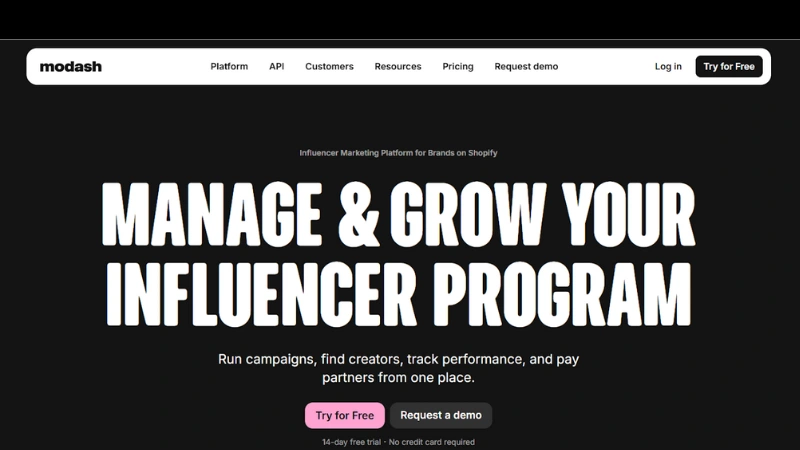 Modash is a data-driven influencer marketing platform built to help brands and agencies discover, evaluate, and analyze creators across Instagram, TikTok and YouTube. It focuses on influencer authenticity, audience quality, and performance metrics, enabling teams to make informed decisions before launching campaigns. With a strong emphasis on audience demographics and engagement insights, Modash is well suited for brands that rely on measurable results rather than vanity metrics.
Why Use It:
- Advanced Influencer Discovery
Suppose you are planning a global influencer campaign for a DTC brand. Modash allows you to filter creators by location, audience demographics, engagement rate, and authenticity indicators, helping you identify influencers whose audiences closely match your target market. This reduces the risk of partnering with creators who have inflated or low-quality followings.
- In-Depth Audience Insights
Imagine promoting a wellness product and discovering that your ideal audience consists primarily of health-conscious users aged 25–40. Modash provides detailed audience breakdowns, including age, gender, location, and interests, allowing you to choose influencers whose followers align with your campaign objectives and improve engagement quality.
- Campaign Performance Analysis
When running multiple influencer collaborations, tracking results becomes essential. Modash enables you to analyze influencer performance by monitoring engagement metrics and content impact, helping you understand which creators deliver real value and which partnerships need adjustment.
- Fraud Detection and Authenticity Checks
If you want to avoid fake followers or suspicious engagement patterns, Modash highlights authenticity signals that help identify genuine creators. This proactive approach supports more reliable influencer partnerships and protects campaign budgets.
| Pros | Cons |
| Detailed Audience Analytics | Focused More on Analytics Than Execution |
| Strong Influencer Authenticity Checks | Outreach and Messaging Features Are Limited |
| Multi-Platform Creator Database | May Require Integration With Other Tools |
| Data-Driven Creator Evaluation | Advanced Features Take Time to Explore |
Modash is a solid option for brands and agencies that value data accuracy, audience transparency, and influencer authenticity. It is particularly useful for teams that want to validate creator quality and make informed decisions before launching campaigns. While it works best alongside other tools for outreach and execution, Modash stands out for its analytical depth and is well suited for performance-driven influencer marketing strategies.
12. Mention Me
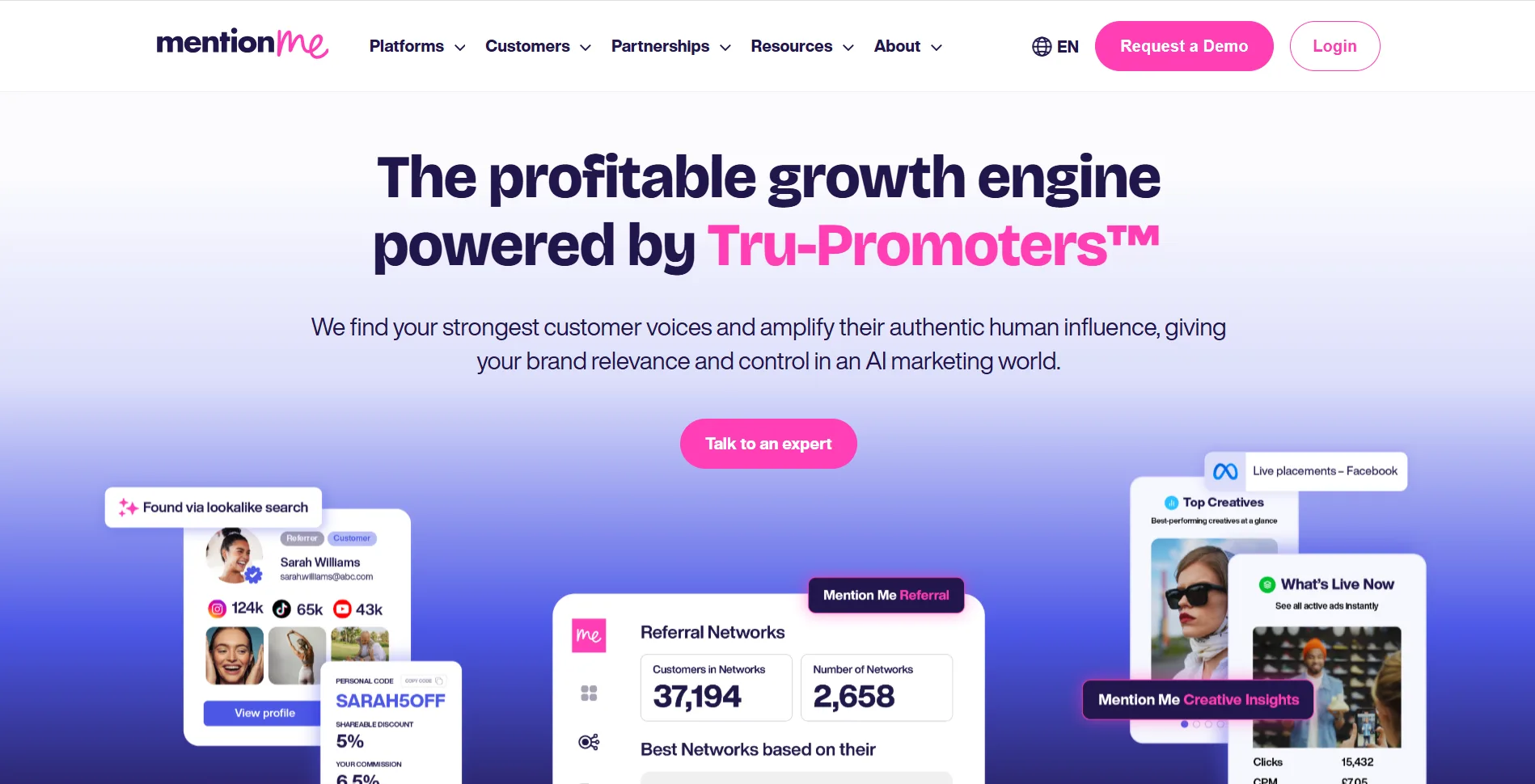 Mention Me is a customer advocacy and referral marketing platform that helps brands leverage existing customers to generate high-quality referrals. By turning existing customers into brand advocates, it facilitates high-quality referrals and integrates seamlessly with influencer marketing to drive both customer acquisition and loyalty. This platform is designed to help brands optimize their referral programs with real-time analytics and built-in fraud prevention tools. Why Use It
- Customer‑Powered Growth: Encourages happy customers to refer friends and family, driving high‑quality leads and conversions without heavy ad spend.
- Advocacy Meets Influencer Partnerships: Amplify influencer efforts by integrating them with referral programmes, creating seamless ambassador efforts across both customers and creators.
- Performance Tracking: Offers detailed analytics on referral impact, conversion rates, and campaign performance, helping marketers optimise incentives and audience segmentation.
- Seamless Integration: Easily integrates with ecommerce platforms like Shopify, Magento, and WooCommerce.
- Enhanced Fraud Protection: Built-in tools ensure the integrity of your referral program by detecting fraudulent behavior.
Pros
- Suitable for brands of all sizes, from startups to large enterprises.
- Referral programs provide high returns on investment compared to traditional advertising.
- Easily integrates with major ecommerce platforms such as Shopify and Magento.
- Provides actionable insights into what drives referrals and how to optimize customer acquisition.
Cons
- Requires direct consultation for precise pricing details.
- Requires a learning curve for businesses new to referral marketing platforms.
What to Look for in an Influencer Marketing Platform
When choosing from the best influencer marketing platforms, consider the following key factors to help align the platform with your goals:
- Audience Engagement Metrics: Look for platforms that offer deep insights into how influencers engage with their audience.
- Campaign Management Tools: Ensure the platform allows seamless management of influencer campaigns from outreach to performance tracking.
- Content Creator Discovery: Find a platform that makes it easy to locate influencers who align with your brand values.
- Sponsored Content Solutions: Choose platforms that simplify the process of creating and managing paid partnerships.
Conclusion: Finding the Best Influencer Marketing Platforms in 2024
In 2024, influencer marketing platforms are key to executing successful digital campaigns. Each of these top 10 platforms provides unique features tailored to different business needs. Whether you’re looking for advanced analytics, robust influencer management tools, or platforms specializing in micro-influencers, these tools can help enhance your influencer marketing strategy. As a Marketing Manager or Brand Strategist, selecting the right platform depends on your campaign goals, such as boosting audience engagement, finding top content creators, or managing multiple social media influencer platforms. By utilizing one of these top platforms, you can ensure your campaigns stay competitive and impactful in the evolving digital landscape. For more on how B2B strategies can align with influencer marketing, check out this article.