

Why Thermoforming Plastic Is Key to Cost-Effective Production
From lower tooling expenses to faster cycle times and sustainable material use, thermoforming helps manufacturers cut costs without compromising quality.

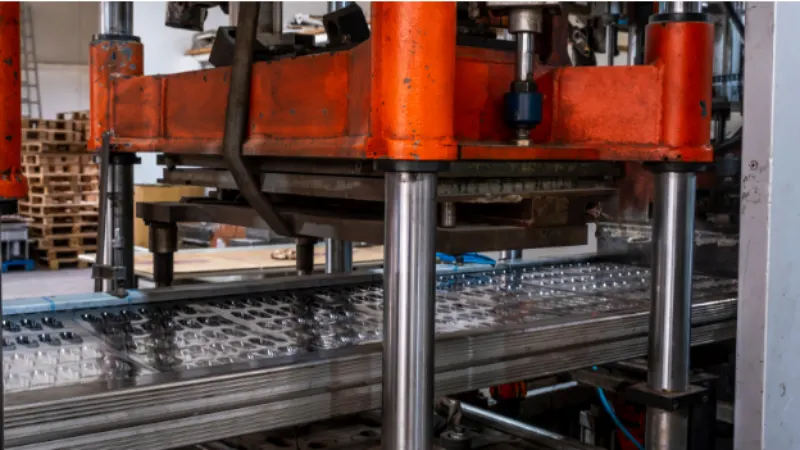
Manufacturing costs are crushing profit margins across industries. Companies face impossible choices between quality products and affordable production methods. Smart manufacturers discover breakthrough solutions that cut costs while maintaining superior product standards.
Modern manufacturing methods such as thermoforming are emerging as breakthrough solutions that deliver measurable savings across automotive components, packaging, and consumer goods sectors.
In fact, thermoforming tooling typically costs just $5,000–$50,000 compared to $20,000–$150,000+ for injection-molding molds. These cost advantages help establish thermoforming’s economic superiority. Now, let’s examine the fundamental cost drivers that make this manufacturing method so financially compelling for modern production operations.
Essential Cost Advantages of Thermoforming Plastic Manufacturing
Advanced manufacturing methods prioritize cost reduction without sacrificing quality standards. Today’s competitive landscape demands strategic approaches that maximize efficiency while controlling expenses.
Material Utilization Efficiency – Minimizing Waste and Maximizing Value
Profitability in many industries is being driven by thermoforming plastic services that focus on smart material management and optimized sheet utilization. Trim waste becomes regrind material for future production runs.
Advanced nesting software maximizes parts per sheet, reducing raw material consumption. Sheet thickness variations accommodate different strength requirements within single production runs. Manufacturers achieve consistent quality while minimizing material costs through precise temperature and pressure control systems.
Production Speed Economics – Faster Cycle Times Drive Profitability
Rapid heating and forming cycles enable higher throughput compared to alternative manufacturing methods. Automated systems reduce labor costs while maintaining consistent output quality. Multiple cavity tooling multiplies production efficiency without proportional cost increases.
Quick mold changes support flexible manufacturing schedules. Companies respond faster to market demands while minimizing inventory carrying costs through just-in-time production capabilities.
Understanding these core cost advantages provides the foundation, but smart manufacturers need quantifiable analysis tools to justify investment decisions and predict actual returns.
Strategic Material Selection for Maximum Cost Efficiency
Material choices directly impact both production costs and final product performance. Strategic selection balances economic constraints with functional requirements across diverse applications.
Recycled Content Integration – Sustainable Cost Reduction Methods
Cost-effective production benefits from incorporating recycled materials without compromising product integrity. So far in 2024, we have used 65.5% of returned material to create your substrate layer. This substantial reuse rate demonstrates how sustainability drives cost savings.
Post-consumer recycled content reduces raw material expenses while meeting environmental regulations. Closed-loop systems capture trim waste for immediate reprocessing. Manufacturers achieve cost targets while supporting corporate sustainability goals.
Multi-Layer Sheet Optimization – Engineered Cost Solutions
Engineered sheet structures combine different materials for optimized performance at reduced costs. Barrier layers protect contents while substrate layers provide structural strength. Surface treatments enhance appearance without expensive solid-color sheets.
Co-extruded sheets deliver premium aesthetics at commodity pricing. Strategic layer placement maximizes functionality while minimizing expensive specialty materials throughout the entire part thickness.
Generic material strategies only scratch the surface—different industries demand tailored approaches that address unique regulatory, performance, and cost requirements.
Selecting Professional Thermoforming Companies for Optimal Results
The choice of partner can make or break a project, which is why selecting the right thermoforming companies is essential for optimal results and long-term cost optimization. Qualified manufacturers in this space provide expertise that prevents costly mistakes and production delays.
Capability Assessment Criteria – Technical Cost Evaluation
Evaluate equipment capacity, material expertise, and quality systems before committing to partnerships. Advanced machinery capabilities directly impact production efficiency and part consistency. Secondary operations availability reduces supply chain complexity and associated costs.
Technical support throughout the design and production phases prevents expensive modifications. Engineering resources help optimize designs for manufacturing efficiency while maintaining performance specifications.
Quality Certification Impact – Risk Mitigation Cost Benefits
Industry certifications reduce quality risks that can devastate production budgets. ISO standards ensure consistent processes and predictable outcomes. Regulatory compliance expertise prevents costly recalls or production shutdowns.
Documentation systems provide traceability and support continuous improvement initiatives. Quality partnerships reduce inspection costs while maintaining customer satisfaction through consistent product delivery.
Choosing the ideal thermoforming partner requires careful evaluation, and these frequently asked questions address the most common cost-related concerns manufacturers face when making this crucial decision.
Making Smart Manufacturing Investments
Companies seeking measurable cost advantages are increasingly turning to thermoforming as it delivers reduced tooling investments, efficient material utilization, and faster production cycles. Strategic material selection and qualified manufacturing partners maximize these benefits while minimizing risks.
Smart manufacturers recognize that cost-effective production requires balancing upfront investments with long-term operational savings. Companies adopting thermoforming today position themselves for sustained competitive advantage in increasingly cost-conscious markets.
Your Thermoforming Cost Questions Answered
1. Is thermoforming expensive?
With thermoformed plastics, the tooling process takes 1-6 weeks (depending on prototype/production tools), and the costs per mold can range between hundreds of dollars to thousands of dollars.
2. How is thermoforming different from other plastic fabrication processes?
If we compare it with the injection process, thermoforming requires a lower cost per machinery and technology. We achieve thinner and lighter parts than those of the injection process.
What volume makes thermoforming most cost-effective?
Low to medium production runs benefit most from thermoforming’s reduced tooling costs, though high-volume applications can achieve excellent economics through automated systems.
“`