
7 Daily Use Healthcare Mobile Apps for Patients in 2026
Explore 7 essential types of healthcare mobile apps that empower patients—including telehealth, fitness tracking, and patient portals. See how they boost convenience and improve health outcomes

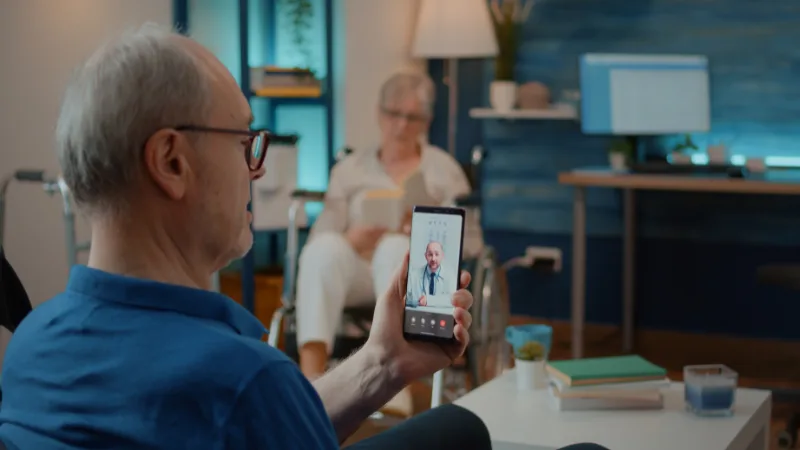
With each passing day, our lives become more digital. We use apps for every basic task, whether it’s ordering food or managing our finances. It’s no surprise that the trend pervades healthcare. From simple reminders for medications to full-featured telehealth platforms, today’s patients have countless options at the palm of their hands to look after their health-related matters.
Patients no longer need to meet physicians in-person or maintain paper records of their history. Here, the role of a skilled healthcare mobile app development company in making healthcare easier and more accessible is worth appreciating. They design apps that truly meet patient requirements and empower users.
Now, we get the limitless options only in the health apps category, organized by patients of every age group with their prescriptions, and can contact their dedicated doctors. However, so many options also bring confusion, so the knowledge of different types of healthcare apps available is essential for making informed choices.
List of 7 Must-Have Healthcare Mobile Apps for Patients
Health apps are a big business as options are now much wider. You can find apps for a variety of needs. The top mobile app development Miami company combines technology with patient-focused care to build a solution for almost any health concern.
Telehealth and Remote Consultation Apps
Through Remote health consultation apps, you can contact your doctors and nurses. This saves a lot of time and expenses that commuting takes up, aside from the mental toll. Apps like Teladoc and Amwell allow you to get medical advice for non-emergency issues without leaving your house. This type of digital care also relies on strong clinical governance behind the scenes, with many providers using medical oversight through Fresh Clinics to help support compliance, patient safety, and consistent standards of care. You can have a videocall or a secure chat option to discuss your conditions. This is specially helpful for people who live in remote areas and also for healthcare companies who work with virtual healthcare assistants.
Mental Health and Wellness Apps
The rising awareness about psychological disorders such as depression, stress, and anxiety makes mental health just as important as physical health. To deal with these neurological diseases, many apps have been launched. They offer guided meditations, mood tracking, and therapy sessions. A good example is Calm or Headspace. These are some of the most popular apps. You can also find specialized apps for specific conditions. BetterHelp and Talkspace connect you with licensed therapists. Though many users explore alternatives to Talkspace depending on their budget, therapy style, or whether they need psychiatric care as well. These mobile health application examples show how digital tools can support mental well-being. Some are even free medical apps for patients.
Medication Management and Adherence Apps
Taking your pills regularly and on time proves hard in such a busy schedule. These apps make it easy by sending you reminders and tracking your dosage. They can also alert you to potential drug interactions. Medisafe is a great example. It acts as a virtual pillbox to help you stay on track with your prescriptions.
Chronic Disease Management Apps
People with chronic conditions need constant monitoring. Apps for diabetes, heart disease, or high blood pressure help them. These apps track blood sugar levels or blood pressure readings and send the data directly to your doctor for proactive care. The mySugr app helps people with diabetes log their information. This is one of the most important types of healthcare mobile apps for patients. It empowers people to manage their own health.
Women’s Health and Pregnancy Apps
These apps are specifically designed to address women’s needs. They track menstrual cycles, ovulation, and fertility. Some are designed for pregnant women. They provide weekly updates on fetal development. Clue and Flo are well-known examples, giving women tools to understand their bodies better.
Fitness and Nutrition Apps
The inclination of the young generation towards balanced nutrients and diet makes fitness apps probably the most well-known health apps on the list. They maintain the record of the number of steps you walk, the calories you intake or burn, and exercise duration. They can also provide meal plans and workout routines. Examples include MyFitnessPal and Fitbit. While they are wellness apps, they promote a healthy lifestyle. This can prevent future health issues.
Patient Portal Apps
Hospitals and clinics with advanced tech roots now offer their own portal apps. They give you access to your medical records. You can view lab results, book appointments, and communicate with your care team. MyChart is a very common one in the US. This kind of app improves communication between patients and providers. They also show how mobile app development Miami is shaping patient experiences.
The Benefits of Healthcare Mobile Apps for Patients
These apps offer many benefits. They give patients more control over their health. This is called patient empowerment. They also increase access to care. You can get a consultation or a prescription refill from home. It saves time and money.
Convenience
You don’t have to wait for an appointment or sit in a waiting room. You can get care when you need it. This convenience is a big part of why people like these apps. They make healthcare a part of everyday life. The types of healthcare mobile apps for patients free are making it easier for everyone to use them.
Better Communication
Healthcare apps open a direct line of communication with doctors. You can send a quick message about a symptom. Doctors can respond without a phone tag. This instant access can be very reassuring.
Data Tracking and Insights
Apps collect your health data automatically. Such a record gives you a clear picture of your physical condition. You can see how your blood sugar changes. You can see how much you sleep. This information helps you and your doctor make better decisions. A healthcare mobile app development company can ensure that this data can also lead to more personalized treatment plans.
Empowering Patients
When you have this kind of data and access, you feel more in control. You become a partner in your own healthcare. You can see how your actions impact your health. This is a huge shift from the old model. The types of healthcare mobile apps for patients in 2026 have expanded so much. We can expect even more in the future.
Conclusion
The landscape of mobile apps in healthcare continues to grow. From mental health to chronic conditions, there’s an app for almost everything. These top medical apps for patients are not just gadgets. A leading healthcare mobile app development company makes tools that make healthcare more accessible and put power back in the hands of the patient.