
How AI Video Agents Are Reshaping B2B Content Operations in 2026
Discover how AI video agents are transforming B2B content operations in 2026 through faster production, automation, and scalable workflows.


B2B marketing teams are entering a new phase of content production. For years, the standard workflow was built around a long chain of specialists: a strategist created the brief, a writer drafted the script, a designer prepared assets, an editor assembled footage, and a campaign manager adapted the final piece for different channels. That system can produce excellent work, but it is slow, expensive, and difficult to scale when buyers expect fresh content at every stage of the journey.
AI video agents are changing that operating model. Rather than generating a single isolated clip, an agent can interpret a business goal, plan a sequence of scenes, organize visual references, create several shots, and assemble a coherent first cut. The result is not an automatic replacement for creative teams. It is a coordination layer that helps them move from idea to reviewable video with fewer handoffs and less repetitive work.
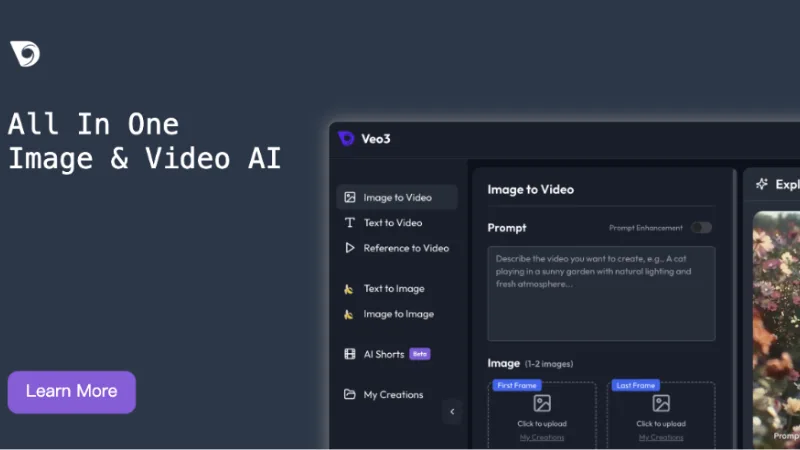
AI video agents can coordinate planning, generation, and assembly inside one creative workflow.
Why B2B Video Demand Keeps Growing
Business buyers now research products through a mix of search, social media, webinars, customer stories, product pages, and peer recommendations. A single campaign may need a short awareness video, a product overview, several vertical clips, a sales-enablement version, and follow-up content for prospects who already understand the category. Producing each asset as a separate project creates bottlenecks before the campaign even launches.
The pressure is especially visible in companies serving multiple industries or regions. The core message may stay the same, but examples, terminology, visuals, and calls to action must be adjusted for each audience. Traditional production makes these variations costly. Agent-based workflows make it more practical to begin with a shared creative structure and then generate controlled versions without rebuilding everything from the beginning.
From Prompting to Creative Orchestration
Early generative video tools were often judged by the quality of one short clip. That benchmark still matters, but modern teams need more than visual novelty. They need continuity between scenes, accurate product representation, predictable timing, and a clear narrative. An AI video agent addresses the broader problem by treating generation as one step inside a planned process.
A marketer might start with a brief describing the audience, business challenge, proof points, desired tone, and final format. The agent can translate that brief into a shot list, suggest a hook, define the purpose of each scene, and prepare generation instructions. It can also identify where a product screenshot, data visualization, customer quote, or human voiceover is needed. This makes the workflow easier to review because stakeholders can evaluate the plan before production resources are spent.
Platforms such as Nereo Agent illustrate this shift from one-off clip generation toward an agent-led production workflow. The user describes the intended video, then works through a structured process for planning shots, generating scenes, and assembling the result. For B2B teams, that structure is valuable because it turns a broad idea into a sequence that can be checked for accuracy, relevance, and brand fit.
Faster Experimentation Without Losing Control
Speed matters most when it creates room for better decisions. If a team can generate a credible first draft in hours instead of weeks, it can compare more hooks, test different story structures, and gather internal feedback earlier. A weak concept can be discarded before a large budget is committed, while a promising concept can be refined with better evidence and stronger creative direction.
Control remains essential. Enterprise marketers cannot rely on a system that invents product capabilities or changes brand details between scenes. The most useful workflow keeps the plan visible and editable. Teams should be able to lock approved messages, upload trusted references, revise individual scenes, and regenerate only the parts that need improvement. Human reviewers still decide what is accurate and persuasive; the agent reduces the mechanical effort required to reach that review point.
Consistency Becomes a Workflow Problem
Visual consistency is one of the hardest challenges in AI-generated video. A person can change appearance, an interface can shift, or a product can lose important details from one shot to the next. The solution is not simply a longer prompt. Teams need shared references and persistent instructions that apply across the sequence.
An agent can help by carrying the same character, product, environment, camera language, and color direction from scene to scene. It can also track the narrative role of every shot. A close-up that introduces a pain point should not suddenly look like the final product reveal, and a serious customer story should not drift into an unrelated visual style. Planning and continuity rules turn a collection of clips into a believable story.
Practical Use Cases Across the Funnel
At the top of the funnel, teams can create short educational videos that explain a market change without forcing an immediate sales pitch. Mid-funnel content can demonstrate a workflow, compare approaches, or visualize a complicated process. At the bottom of the funnel, tailored videos can address implementation concerns, summarize a proposal, or help a champion explain the product internally.
Sales teams can also benefit from reusable video systems. Instead of requesting a new edit every time a prospect has a different concern, they can draw from approved scenes and assemble a focused explanation. Customer-success teams can turn help content into visual walkthroughs, while event teams can produce teasers, session summaries, and follow-up assets from the same creative foundation.
What Teams Should Measure
Adopting AI video should not be measured only by the number of clips produced. Volume without relevance can create more noise. A stronger evaluation looks at time to first draft, number of useful creative variations, approval cycles, completion rate, qualified engagement, and the amount of content that can be repurposed across channels.
Quality checks should include factual accuracy, brand consistency, accessibility, licensing, and link between the creative concept and the campaign objective. Teams also need clear rules for human review. High-stakes claims, customer references, and product demonstrations should always be verified before publication. Automation is most effective when responsibility remains explicit.
Building an Agent-Ready Content Process
The transition works best when companies begin with a repeatable content category rather than trying to automate every creative task at once. A monthly product update, an educational series, or a set of event promotions can provide a controlled environment for testing. Teams can document the brief, approved claims, visual references, review steps, and delivery formats, then improve the process after each cycle.
It is also useful to separate what should remain fixed from what can vary. Product names, legal language, and core brand elements may need strict control. Hooks, examples, pacing, and aspect ratios can be treated as testable variables. An agent can generate options inside those boundaries, giving marketers more creative range without creating unnecessary risk.
The Next Competitive Advantage
As video generation quality improves, access to the models themselves will become less distinctive. The real advantage will come from how well a company organizes its creative knowledge: the quality of its briefs, the clarity of its proof points, the strength of its references, and the speed of its review process. AI agents amplify that operating system.
B2B teams that adopt this approach thoughtfully can produce more relevant content while preserving human judgment. The goal is not to flood every channel with synthetic video. It is to make strong ideas easier to test, adapt, and deliver. In 2026, the most effective video organizations will combine agent-led coordination with disciplined creative direction, turning a once-fragmented production chain into a responsive and measurable workflow.