
Are Private Jet Cards Worth It?
Learn whether private jet cards are worth it by comparing costs, flexibility, benefits, and who gets the most value from them.


Private jet card programs have emerged as a prominent access model within the private aviation industry, offering a structured alternative to both on-demand charter and aircraft ownership. By combining prepaid flight access with defined service conditions, these programs aim to deliver convenience, predictability, and reliability. However, determining whether private jet cards are “worth it” requires a comprehensive evaluation of their financial, operational, and strategic implications.
Understanding the Jet Card Model
A private jet card typically involves the advance purchase of flight hours or the deposit of funds with a provider. Clients can then book flights at predefined rates, often with guaranteed availability and standardized service conditions.
This model is designed to simplify private aviation access. Instead of negotiating each flight individually, clients operate within a structured framework that reduces variability in pricing and logistics. The appeal lies in the balance between flexibility and control.

Financial Considerations and Cost Efficiency
The question of value is closely tied to cost efficiency. Jet card programs generally offer fixed hourly rates, which provide clarity and ease of budgeting. For frequent travelers, this predictability can be advantageous, particularly in markets where charter pricing fluctuates significantly.
However, fixed pricing often includes a premium. During periods of low demand, on-demand charter services may offer lower rates, making jet cards comparatively more expensive on a per-flight basis.
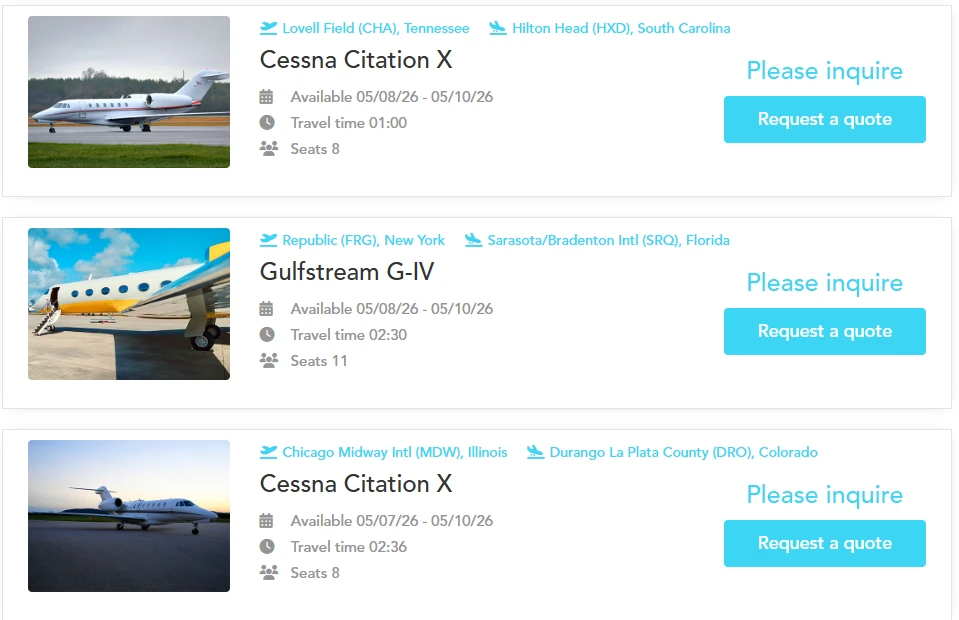
Additional costs must also be considered. Taxes, peak-day surcharges, fuel adjustments, and ancillary services can increase the total expense beyond the base hourly rate. A thorough cost analysis requires evaluating both direct and indirect expenses.
Value of Guaranteed Availability
One of the most significant advantages of jet card programs is guaranteed aircraft availability. In high-demand regions such as Florida, where seasonal travel can strain capacity, this feature provides a critical level of reliability.
For corporate users and individuals with time-sensitive travel needs, the ability to secure an aircraft on short notice is often more valuable than marginal cost savings. In this context, the premium associated with jet cards may be justified by operational certainty.
Convenience and Operational Simplicity
Jet card programs are designed to minimize complexity. The booking process is streamlined, often requiring only a single request through a digital platform or account manager. All operational aspects – aircraft sourcing, crew coordination, and logistics – are handled by the provider.
This simplicity reduces administrative burden and enhances efficiency, particularly for clients who travel frequently. The time saved in planning and coordination can be considered an indirect but meaningful benefit.
Flexibility in Aircraft Usage
Jet cards typically provide access to multiple aircraft categories, allowing clients to select the most appropriate option for each trip. This flexibility supports efficient travel planning, as clients can match aircraft size and capabilities to specific mission requirements.
Compared to fractional ownership, which often ties clients to a specific aircraft type, jet cards offer greater adaptability. This is particularly valuable for users with diverse travel patterns.
Service Quality and Consistency
Another important factor in evaluating value is service consistency. Jet card programs are structured to deliver a standardized level of service across flights, including cabin quality, crew professionalism, and customer support.
For frequent travelers, consistency reduces uncertainty and enhances overall satisfaction. This reliability is a key component of the perceived value of jet card programs.
Limitations and Potential Drawbacks
Despite their advantages, jet card programs are not universally optimal. Several limitations must be considered:
- Upfront financial commitment: Clients must prepay for hours or deposit funds, which may not be fully utilized.
- Expiration policies: Unused hours may expire, reducing overall value.
- Peak-day restrictions: Availability guarantees may be subject to limitations during high-demand periods.
- Pricing rigidity: Fixed rates may not reflect favorable market conditions.
These factors can diminish the cost-effectiveness of jet cards, particularly for infrequent travelers.
Comparison with Alternative Models
To assess whether jet cards are worthwhile, it is useful to compare them with other private aviation access models:
- On-demand charter: Offers flexibility and no upfront commitment but involves variable pricing and availability uncertainty.
- Fractional ownership: Provides consistent access and potential cost efficiency for heavy users but requires significant capital investment and long-term commitment.
- Full ownership: Offers maximum control but entails substantial financial and operational responsibilities.
Jet cards occupy an intermediate position, offering a balance between flexibility and structure.
Suitability Based on Travel Profile
The value of a jet card program depends largely on the user’s travel profile:
- Frequent travelers: Likely to benefit from predictable pricing and guaranteed availability
- Corporate clients: Gain efficiency and reliability for time-sensitive operations
- Moderate users: May find value if they prioritize convenience over cost optimization
- Infrequent travelers: Often better served by on-demand charter due to lower commitment
Understanding individual travel patterns is essential for determining suitability.
Strategic Value Beyond Cost
While financial considerations are central, the value of jet card programs extends beyond cost. Time efficiency, reduced complexity, and access to reliable service contribute to overall utility.
For many clients, the ability to focus on business or personal priorities without managing travel logistics represents a significant advantage. This intangible value is often a decisive factor in favor of jet card programs.
Market Trends and Evolving Value Proposition
The private aviation industry continues to evolve, with jet card programs adapting to changing client expectations. Increased competition among providers has led to greater transparency, improved service offerings, and more flexible program structures.
Technological advancements have further enhanced accessibility, allowing clients to manage bookings and track usage through digital platforms. These developments are likely to strengthen the value proposition of jet card programs over time.
Private jet card programs are worth it for a specific segment of travelers – those who prioritize reliability, convenience, and predictable costs over maximum pricing flexibility. Their value is most evident for frequent users operating in high-demand markets, where guaranteed availability and operational simplicity provide a clear advantage.
For others, particularly those with infrequent or highly flexible travel needs, alternative models may offer greater cost efficiency. Ultimately, the decision depends on aligning the characteristics of jet card programs with individual travel patterns, financial considerations, and strategic priorities.