AI Takes Jobs, But One Automation Leader Bucks the Trend by Hiring a Human
An automation leader defies AI job cuts by hiring a human, emphasizing irreplaceable human skills like emotional intelligence and creative problem-solving.

JERSEY CITY, N.J., September 4, 2025
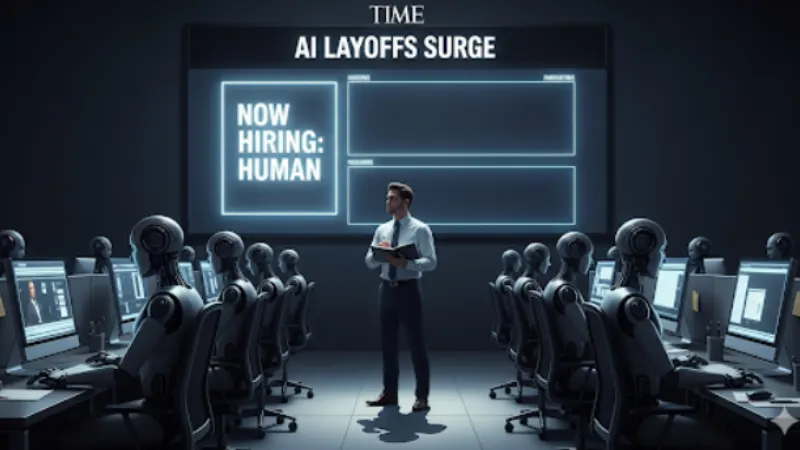
AI is coming for your job and OpenAI, the company behind ChatGPT and at the forefront of automation, is hiring a human.
Writers were among the first professionals threatened by AI but when ChatGPT said they need a human who is critical in creating high-impact content that drives awareness, and product adoption, something was about to change.
The timing couldn’t have been better as just weeks ago Salesforce laid off 4000 employees in customer support and administrative functions as the roles were replaced by AI agents.
According to a recent report, US companies are increasingly attributing a significant share of workforce reductions to AI. Roles like data entry and customer service representatives are replaced by AI which intensifies the fear of humans being sidelined.
But when an automation company decides to invest almost $310,000-$383,000 on a human, the discourse begins. Do people still matter? If so, where?
There are several skills that are acutely humane, like relationship building, creative problem-solving, strategic vision, and emotional intelligence. An algorithm cannot understand the ambiguity of human emotions or build trust, or pitch ideas in a way that resonates both logically as well as emotionally, better than a human does. If you are a company that’s looking to maintain trust and brand identity, know that these traits are irreplaceable. Repetition is replaceable, creativity & building meaningful relationships are not.
The entire discourse around this topic is not about a single job posting, it’s about recognising the fact that even companies that are most aggressive about AI adoption recognize there are limits to what technology can do on its own.
A study from the International Workplace Group (IWG) reported that nearly two-thirds (59%) of younger workers were coaching older colleagues on how to use AI effectively, while 80% of senior directors said this support freed them to focus on higher-value tasks
The paradox is real, companies are relying on AI to streamline operations while cutting costs. They also rely on “younger employees” to unlock the productivity gains promised by the same technology.
That single hiring post is more than a job posting. It shows that technology does not replace people, it augments them.