
How Do You Write B2B Outreach Messages That Feel Personal Instead of Pushy?
Learn how to write personalized B2B outreach messages that build trust, address buyer needs, and encourage replies without sounding pushy.

When most decision makers check their email in the morning, they’re flooded with the same sales pitches. All of them make an initial mistake in assuming they know. Each of them says they have the solution. And almost all of them end directly in the waste folder. There is a very fine line between an outreach that is relevant and one that is annoying. In order to get a response, you must behave as a professional peer and not a volume broadcaster.
Stop Relying on Surface Level Data
For the past five years, the standard recipe was to take the profile of a prospect and fill in a template with his or her first name and company name. So that’s no longer the way to go. If a director of operations receives a message stating that you noticed their company is doing great things, he or she goes into some sort of fog. It doesn’t demonstrate any actual knowledge of their business model.
Don’t just take the first information that you stumble on in a company’s website, instead look for the operational details. Are they entering into new geo-graphic markets? Have they recently relocated their manufacturing plants? Are they having new warehouse openings? Use this as the starting context. It shows that you’ve done some research. A lot of sales reps take a shortcut here by entering rudimentary points into an online tone rewriter to alter the tone of their pre-prepared templates so that they sound more personal and natural. What isn’t possible, though, is software creating contextual relevance. The business observation needs to be strong to save the pitch with the sentences polished. There has to be a genuine reason for contacting you.
Drop the Fake Pleasantries
B2B buyers don’t have time for long winded introductions. One of the most frequent mistakes is putting the real reason for the e-mail letter after three paragraphs of context and rapport building. It’s obvious and manipulative to ask a stranger how his weekend was or to pretend you know him for years.
If they receive an e-mail from an unknown sender, they assume that they must be suspicious. They are aware of what you are selling. To cover up what you want to do only makes you look bad. Within the first 2 sentences, provide your reason for contacting. Highlight it in relation to a particular business challenge that they are likely to encounter given their industry role. Avoid questions like “What’s the weather like in your city?” when you sell supply chain software. Whether they are in the process of streamlining their freight vendors at the moment. It does not waste their time or intelligence.
Structure for Extreme Clarity
An effective outreach message is reader friendly. If you’re sending an email to someone between appointments, you have three seconds to make it clear on their cell phone. The enemy of block text is you! Avoid long paragraphs. 2-3 sentences per block.
You don’t have to impose an unnatural symmetry on each and every email, however. It doesn’t have to be a perfect introduction, 3 equated points and then a conclusion with a summary.It doesn’t always have to be a perfect introduction, 3 balanced points, and a conclusion with a summary. Sometimes, things can be done by using a simple two sentence e-mail. Make observations, make the possible value, and ask the question. Do not use the structure to shape the message, let the message shape the structure.
Visual Simplicity Wins
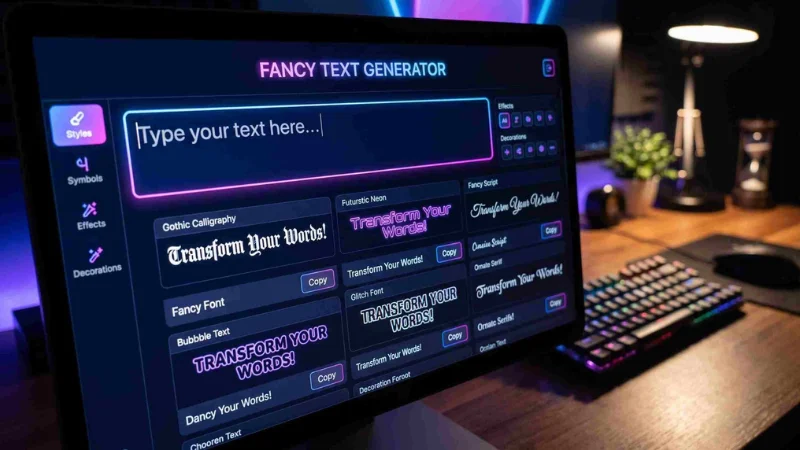
Cold outreach has a weird formatting thing where senders attempt to capture attention in overly aggressive ways. They overuse bolding, highlight random words, or even run text through a fancy text generator to get weird custom fonts in the Subject line and/or body text. This is a big error.
B2B communication should be the same as you would communicate with a colleague within your own organization. When a message is overly formatted, it screams marketing broadcast. It triggers defensive reactions from the reader and technical penalties from corporate email servers. Keep the font standard. Use plain text formatting whenever possible. A clean and easy to read message is much more persuasive than a visual mess. Let the strength of your business proposition capture their attention, not a visual gimmick.
Rethink the Call to Action
Setting up a meeting in your first message is no longer effective. It’s a huge ask of a stranger. The objective of a first outreach message is simply to begin the conversation; this is not to establish calendar time. Many professionals are forced to rush getting a demo as they have to meet their quotas. This internal pressure tends to come across in the writing, and the email will seem desperate or demanding. Use open questions instead of demands.
Rather than request a meeting, assess their level of interest in the subject. Ask whether this is an issue for their teams this quarter? Inquire whether they’re the right person to talk with about the workflow you referred to. This reduces the entry cost. Very little effort is required to answer a simple question, such as, “Are you considering solutions for a particular problem? When they respond “yes,” you can proceed and offer to call them.
Segment Your Audience by Reality
Personalization is a wrong formula for trying to write one message for totally different roles. A CFO is concerned with the risk mitigation and budget efficiency. A frontline manager is concerned about every day’s productivity and tool usage. If you repeat the same message to both of them, it won’t be received by either.
Don’t forget to divide your outreach lists according to their functional role and their real life. Write specific copy to those who are running the budget and other copy to those who are running the daily operations. If you’re in the manufacturing equipment maintenance business, for instance, the plant manager must be aware of downtime reduction and machinery lifespan. The procurement officer must be familiar with SLA and predictable billing cycles. Talking to the plant manager about pricing will not work. Technical specifications (when used in procurement) will be deleted.
Personalization is making the message match the reader’s job title. This requires more work initially, but pays off with more relevance to your message.
Accept the Reality of Timing
You can write the most relevant, respectful, and well researched message possible and still get ignored. In B2B sales, timing is a massive variable that you absolutely cannot control. The target company might be in the middle of a major internal audit. The person you emailed might be on leave or dealing with an active crisis.
Don’t take silence as a signal to send increasingly aggressive follow up messages. A polite check in after a few days is fine. You might add a small piece of additional value, like a relevant industry report, in that second message. After that, step back. Move them to a longer term nurture sequence. Pushy follow ups burn bridges and permanently damage your domain reputation. Professional persistence means knowing when to walk away and try again next quarter. Let your outreach be a targeted effort, not an endless barrage.