
Most outbound agencies talk a big game.
They promise hundreds of meetings, send thousands of cold emails, and vanish the moment deliverability drops.
But the best outbound agencies operate on a different level.
They understand that outbound in 2025 is not about sending more messages. It is about starting smarter conversations that reach the right people at the right time. These agencies combine data, psychology, and process to build systems that create a real pipeline, not empty metrics.
Outbound is not dead. It has just been misused by teams chasing volume instead of strategy. The agencies on this list prove that when done right, outbound becomes one of the most reliable and scalable growth engines in B2B marketing.
In this guide, you will learn what separates the best agencies from the noise, who is leading the industry, and how to choose the right partner for your business.
What Makes an Outbound Agency “Best”
Most outbound agencies look similar from the outside. They all claim to send cold emails, book meetings, and generate a pipeline. But once you look closer, the gap between average and exceptional becomes obvious.
The best outbound agencies are not just service providers. They are strategic partners that combine research, psychology, and data discipline to turn outreach into a repeatable growth system. They know that success in outbound is not about who sends the most messages, but who builds the best process.
Here are the traits that define them:
1. Targeting Precision
Everything begins with data. The right agency takes the time to deeply understand your audience before writing a single line of copy. They identify your ideal customer profiles, segment by buying triggers, and use verified prospect data that stays clean and accurate. These agencies don’t buy generic lists; they build them with purpose, knowing that one relevant contact is worth more than a hundred random names.
2. Personalization That Feels Human
The golden rule of modern outbound is simple: relevance wins. The best agencies write messages that sound like they were meant for one person, not one thousand. They study each prospect’s pain points, craft intros that feel natural, and adapt tone based on industry and role. It’s the difference between “Dear {{FirstName}}” and “I saw your team recently rolled out a new sales tech stack, how has that shift affected your pipeline visibility?”
3. Multi-Channel Execution
Email is only one piece of the puzzle. Top agencies build systems that coordinate outreach across multiple touchpoints, email, LinkedIn, phone, and sometimes even SMS or direct mail for high-value accounts. This multi-channel strategy increases visibility, builds familiarity, and makes outreach feel more personal and less robotic.
4. Deliverability and Compliance
You cannot win deals if your emails never reach the inbox. Leading agencies manage every detail of deliverability, domain setup, warm-up routines, sender reputation, and sending cadence. They also operate within compliance laws like GDPR and CAN-SPAM to protect your brand. The result is consistent inbox placement and fewer wasted efforts.
5. Transparent Reporting
A good agency gives you more than vanity metrics. You should be able to see how many emails were sent, how many people replied, how many meetings were booked, and how much pipeline was created. Transparency is non-negotiable. The best agencies share both successes and failures because they treat data as a tool for improvement, not a sales prop.
6. Sales Alignment
Outbound only works when marketing and sales move in sync. Top agencies understand your internal sales process, adapt messaging to your sales motion, and ensure smooth lead handoffs. They track what happens after a meeting is booked and adjust campaigns to increase close rates, not just reply rates.
7. Strategic Consistency
The best agencies think long-term. They don’t rely on luck or one “perfect sequence.” They operate with a test-and-learn mindset, continuously refining targeting, subject lines, message angles, and cadence. Over time, this creates a predictable outbound engine that compounds instead of resetting every month.
The Best Outbound Agencies in 2025
1. SalesCaptain
Overview:
SalesCaptain is a B2B outbound marketing agency that helps companies turn outreach into a consistent revenue channel. The agency specializes in creating outbound systems that balance scale with personalization, ensuring every campaign feels targeted and measurable.
Instead of chasing lead volume, SalesCaptain focuses on generating qualified conversations that convert into pipeline.
Their process begins with a detailed understanding of the client’s business, market, and ideal customer profile.
From there, SalesCaptain designs an outbound framework that includes prospect research, multi-channel outreach, deliverability management, and transparent performance tracking. Each campaign is treated as a continuous experiment that evolves through testing and feedback.
What Makes SalesCaptain Stand Out:
- Data-driven prospecting: SalesCaptain builds verified lists based on custom filters, job titles, intent signals, and buying triggers. Every contact goes through a quality check before a single message is sent.
- Human-level personalization: The outreach messages read like real conversations. The tone adapts to each prospect’s role, company size, and pain points, helping clients cut through inbox noise.
- Multi-channel orchestration: SalesCaptain runs coordinated campaigns across email, LinkedIn, and phone, ensuring prospects experience consistent touchpoints that build familiarity over time.
- Full deliverability control: The agency handles technical setup, domain warm-up, and inbox rotation to keep sender reputation strong and email placement healthy.
- Clear and honest reporting: Clients have full visibility into metrics such as open rates, positive replies, booked meetings, and conversion outcomes. Results are shared weekly with insights for improvement.
- Strategic collaboration: Unlike transactional lead vendors, SalesCaptain operates as an extension of its clients’ sales teams. The agency helps refine qualification criteria, update messaging based on feedback, and improve handoff processes inside the CRM.
Best For:
B2B organizations that care about sustainable growth rather than short-term lead spikes. SalesCaptain works best for companies in SaaS, technology, and professional services that want a structured outbound engine supported by reliable data, a tested strategy, and measurable ROI.
2. Operatix
Overview:
Operatix is a B2B sales acceleration agency that helps software and technology companies scale through targeted outbound programs. The firm builds repeatable sales processes that align with each client’s growth stage and market strategy.
What Makes Operatix Stand Out:
- Experienced SDR teams trained in enterprise software sales.
- Personalized, multi-channel outreach focused on decision-makers.
- CRM and reporting integration for visibility across the funnel.
- Strong presence in both North America and Europe.
Best For:
SaaS and enterprise tech companies are expanding globally or entering new markets.
3.Harris Consulting LLC
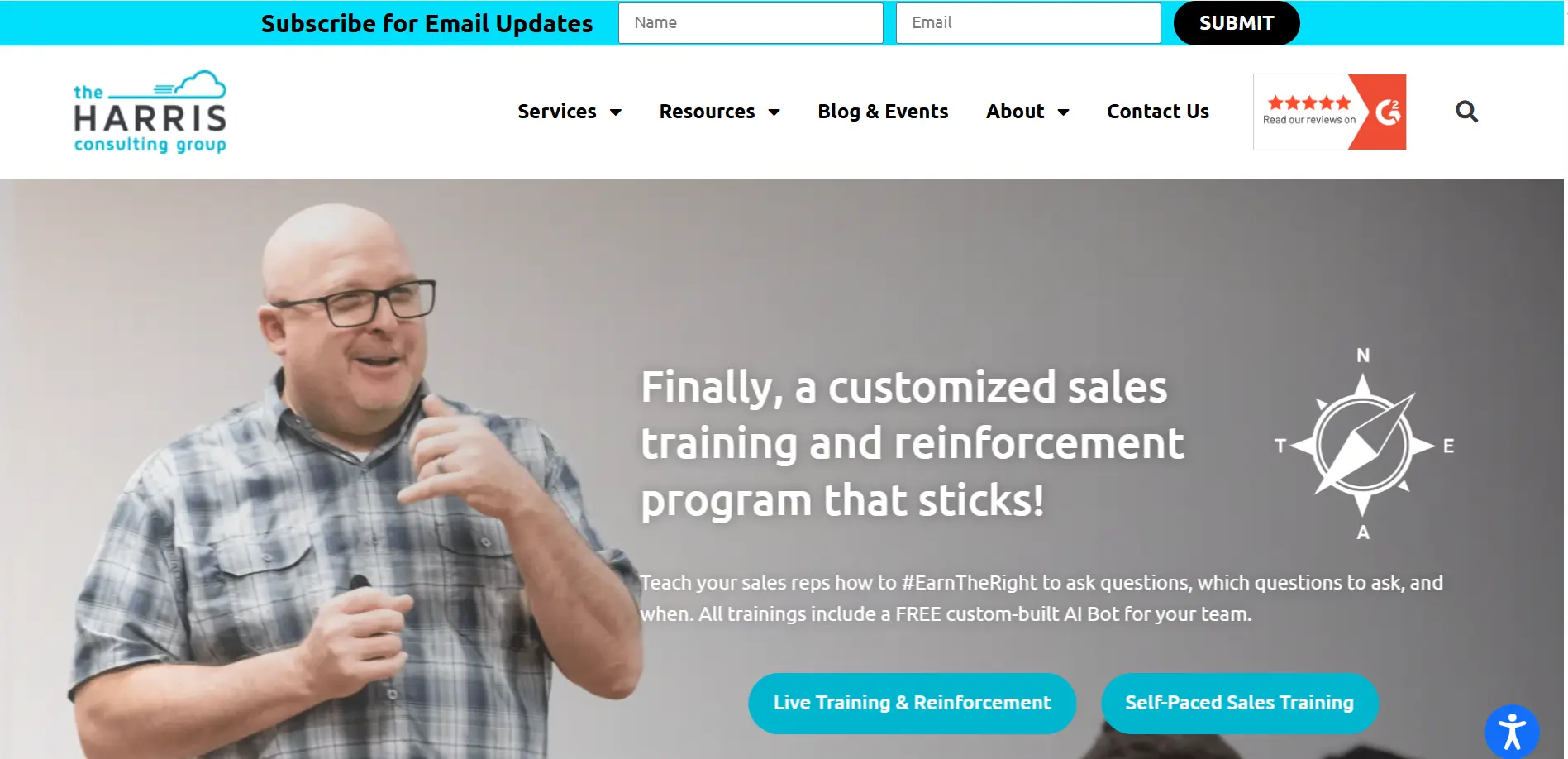
Overview: The Harris Consulting Group provides customized sales training and reinforcement programs designed to transform outbound performance. Led by Richard Harris, the agency specializes in teaching sales teams how to #EarnTheRight to ask the high-impact questions that uncover true buyer pain points.
Their proprietary N.E.A.T. Selling™ methodology is more than just a process; it is a philosophy that bridges strategic silos and tactical execution to improve the buyer’s experience. By integrating these practices, teams can move away from robotic outreach and toward meaningful, consultative sales conversations.
Every engagement is reinforced with CoachRichardGPT, a custom-built AI sales coach that serves as a digital clone of Richard Harris, offering reps on-demand access to tactical advice and mentorship. This ensures that training doesn’t just happen once but becomes a permanent part of the team’s culture.
What Makes Harris Consulting LLC Stand Out:
- N.E.A.T. Selling™ Framework: A structured methodology focusing on Need, Economic Impact, Access to Authority, and Timeline to ensure every prospect is properly qualified.
- AI-Powered Reinforcement: Clients receive a custom AI Bot trained on Richard’s expertise to provide real-time coaching and talk track assistance for sales reps.
- Strategic Trust-Building: The “Earn the Right” philosophy teaches reps how to establish credibility early, resulting in higher response rates and deeper discovery calls.
- Expert Coaching: Richard Harris brings decades of executive coaching and sales mastery, helping teams navigate complex negotiations and pricing strategies.
3. PointClear
Overview:
PointClear is known for its disciplined, multi-touch approach to outbound development. The firm mixes phone, voicemail, and email engagement to connect with senior-level buyers in complex industries.
What Makes PointClear Stand Out:
- Consultative outreach model that focuses on conversation quality.
- Proven success with enterprise clients in healthcare, finance, and technology.
- Comprehensive pre-call research and message preparation.
- Long-term partnerships based on results and trust.
Best For:
Companies targeting high-value B2B accounts that require thoughtful, relationship-based outreach.
4. SalesRoads
Overview:
SalesRoads delivers appointment-setting and SDR outsourcing for B2B companies that value human-first outreach. Their campaigns emphasize consistency, professionalism, and lead quality.
What Makes SalesRoads Stand Out:
- Experienced outbound sales reps trained for complex sales environments.
- Personalized outreach through cold calling and structured follow-ups.
- Regular performance reviews with transparent dashboards.
- Clear focus on sales-qualified meetings, not just lead counts.
Best For:
Businesses that want a reliable U.S.-based partner with a proven outbound record.
5. Leadium
Overview:
Leadium is a global outbound agency that blends data operations with human-led outreach. They specialize in verified prospect research, customized messaging, and scalable outbound systems.
What Makes Leadium Stand Out:
- In-house data team for clean, accurate prospect lists.
- Testing and optimization are built into every campaign.
- Multi-market delivery with regional SDR coverage.
- Flexible engagement options for startups and growth-stage companies.
Best For:
Fast-growing B2B companies are looking for a mix of scalability, accuracy, and affordability.
6. UnboundB2B
Overview:
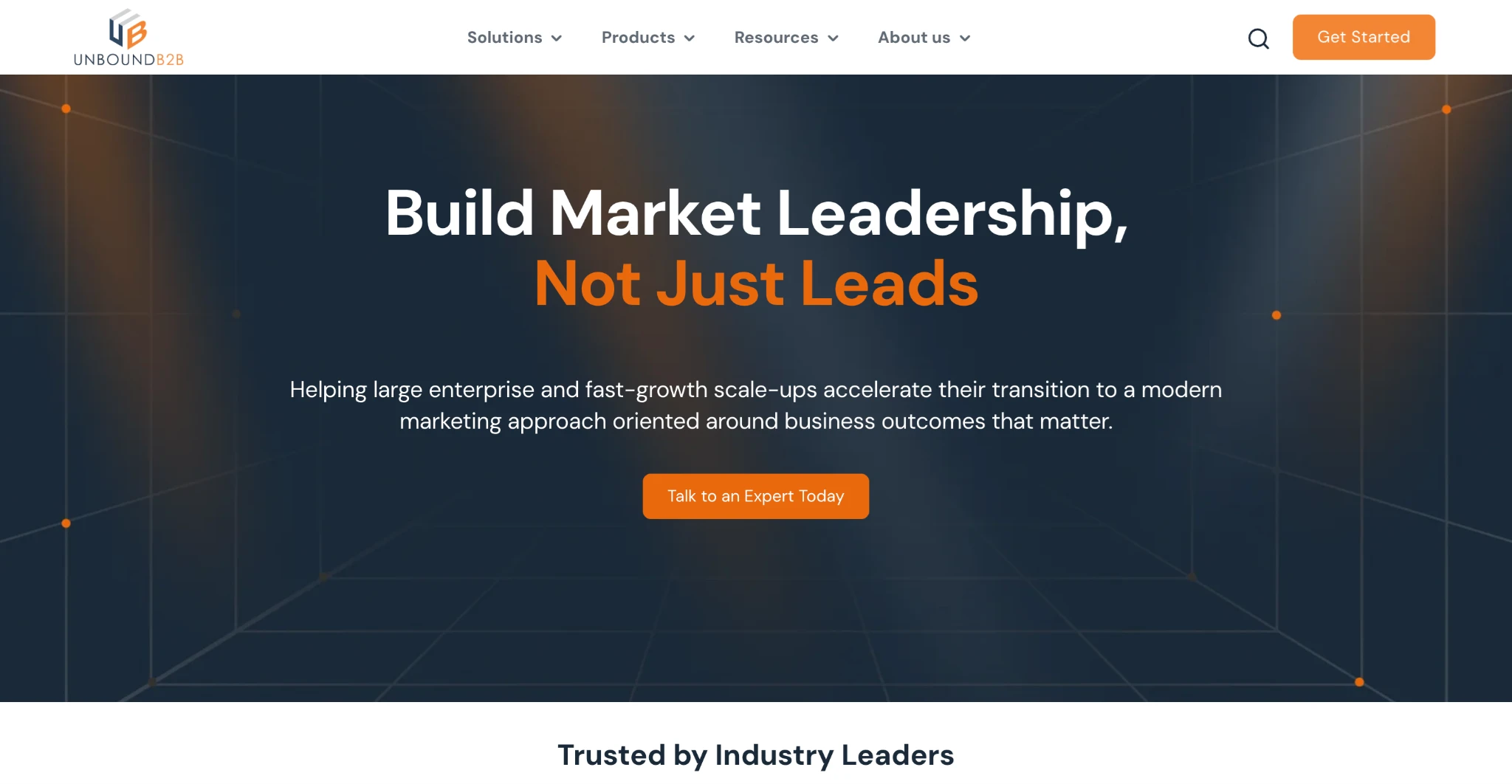
UnboundB2B offers end-to-end B2B demand generation, including outbound prospecting, lead nurturing, and qualification. Their campaigns are data-driven, measurable, and adaptable across verticals.
What Makes UnboundB2B Stand Out:
- Full-funnel demand generation and outbound integration.
- Advanced segmentation and targeting for better lead scoring.
- Scalable delivery systems for large client portfolios.
- Data and analytics dashboards for transparent results.
Best For:
Mid-market and enterprise firms that need outbound programs supported by marketing automation.
7. RevEnvy
Overview:
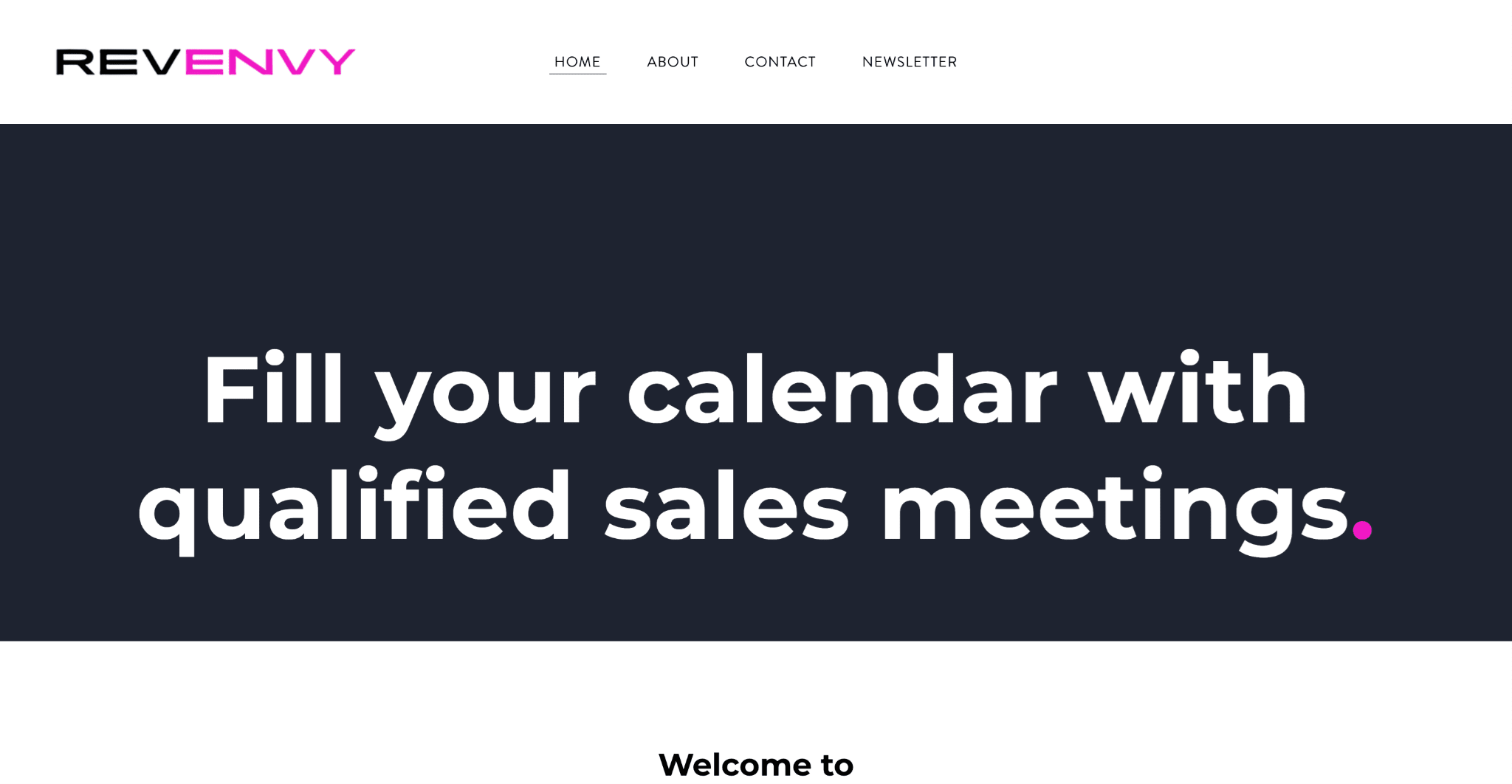
RevEnvy focuses on outbound strategies tied directly to revenue performance. The agency builds campaigns that shorten sales cycles and improve meeting-to-close conversion rates.
What Makes RevEnvy Stand Out:
- Pipeline-based performance tracking.
- Personalized account-based outreach for B2B decision-makers.
- Emphasis on campaign ROI rather than vanity metrics.
- Expertise in SaaS, fintech, and consulting sectors.
Best For:
Revenue-driven organizations that want a performance-first outbound partner.
8. Clarify B2B
Overview:
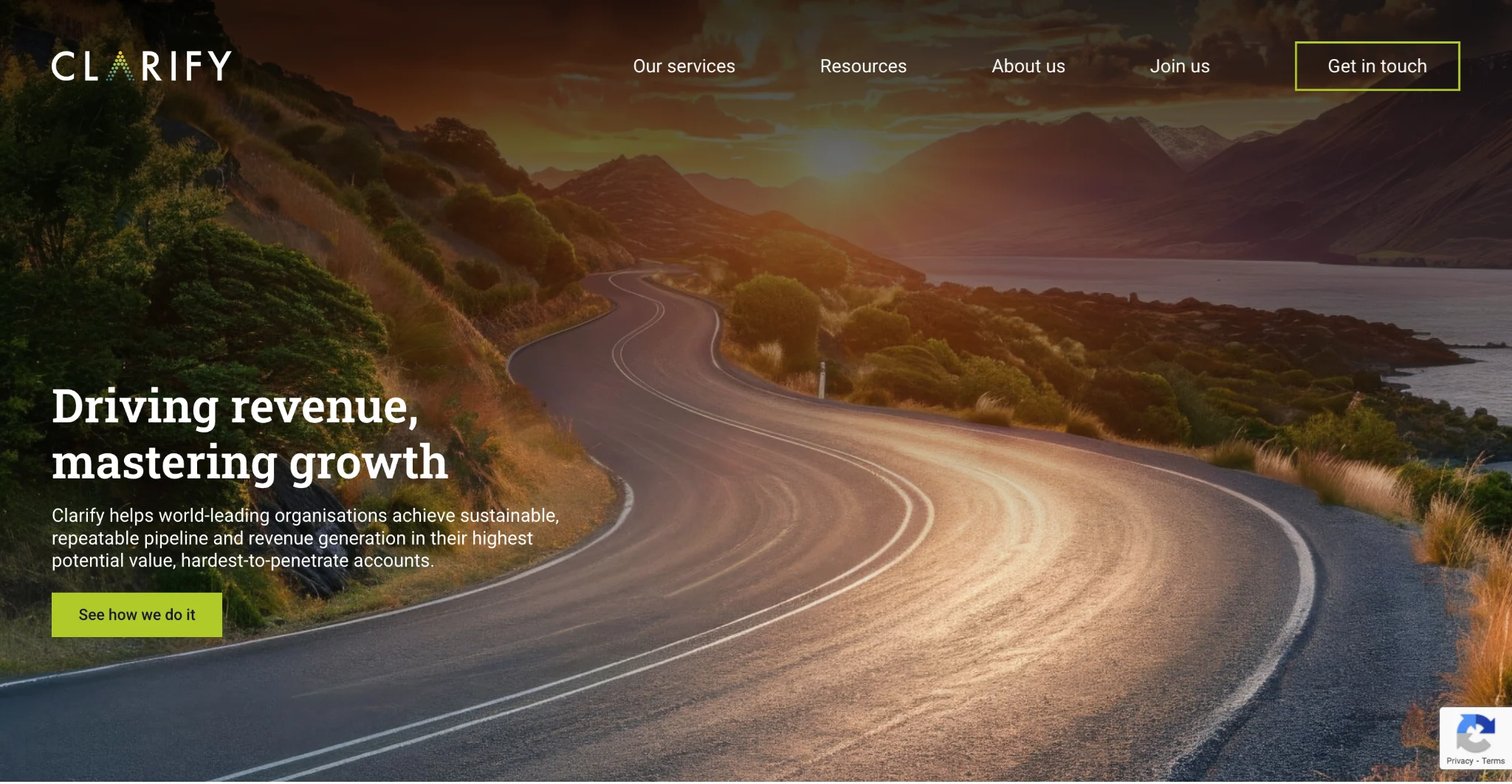
Clarify B2B helps enterprise brands engage executive-level decision-makers. Their approach focuses on clarity, value-based communication, and conversion-focused conversations.
What Makes Clarify B2B Stand Out:
- Specialized messaging for C-suite and enterprise buyers.
- Data-led audience segmentation and prospect scoring.
- Multi-touch campaigns using a mix of phone, email, and digital channels.
- Proven frameworks for long-cycle enterprise sales.
Best For:
Large organizations targeting senior executives with high-value, complex offers.
9. AgencyFlare
Overview:
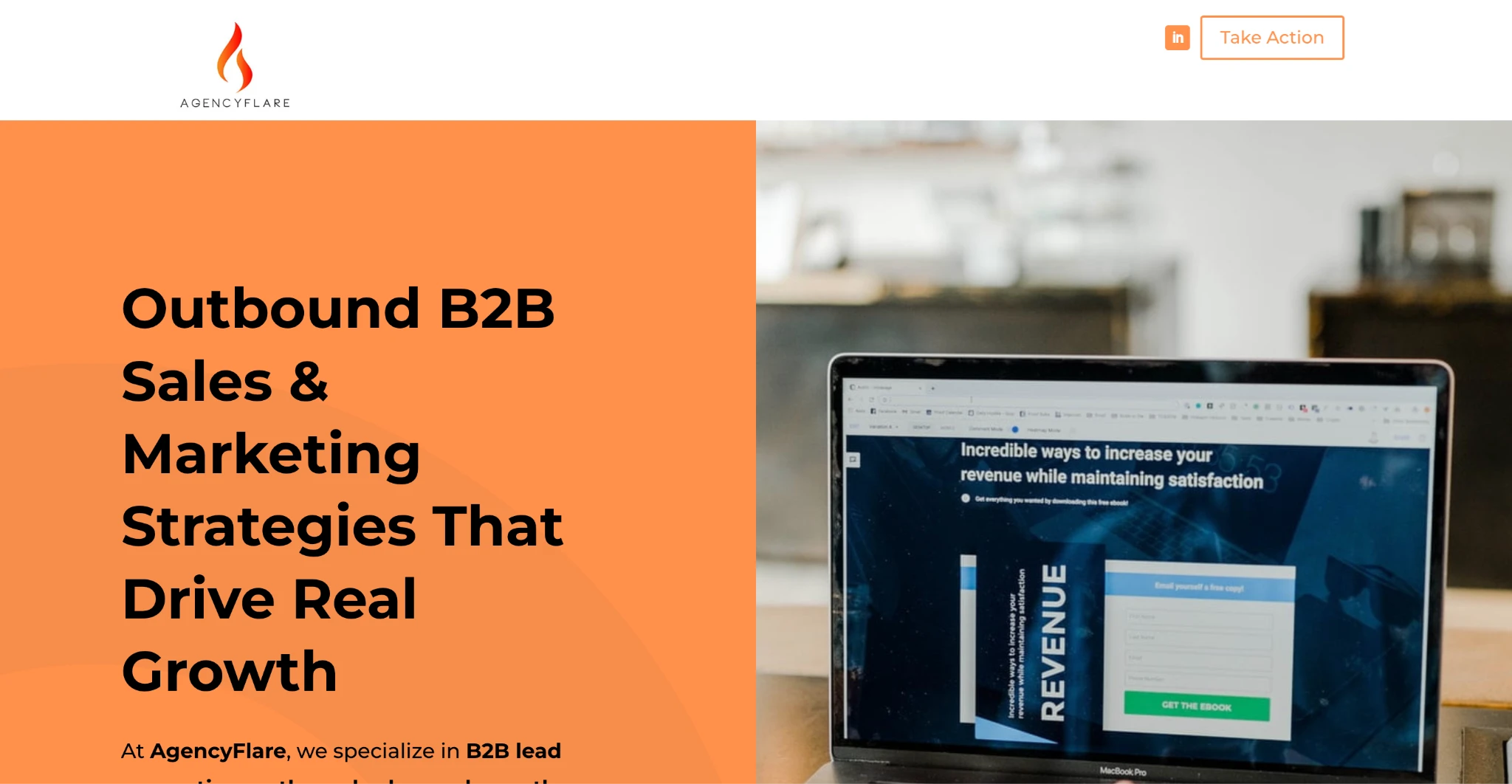
AgencyFlare combines outbound sales with a growth marketing strategy. They design and execute campaigns that use personalized outreach and content-driven messaging to increase brand visibility and lead conversion.
What Makes AgencyFlare Stand Out:
- Blends traditional outbound with creative marketing campaigns.
- Multi-channel execution through email, LinkedIn, and social engagement.
- Focus on positioning, storytelling, and message testing.
- Strong collaborative culture with clients during every stage of execution.
Best For:
B2B companies that want an agile partner capable of mixing outbound sales with a creative brand-driven strategy.
The State of Outbound in 2025
Outbound marketing has entered a new era. The tactics that dominated five years ago, like long cold sequences and bulk emails, have lost their power. Buyers today have more options, stronger filters, and higher expectations. They respond only to messages that feel timely, relevant, and human.
The best agencies understand that outbound is no longer about volume. It is about precision, timing, and process. Success now depends on how well teams combine data, messaging, and coordination. The new standard is built on three pillars: accuracy, integration, and alignment.
1. Precision Over Volume
Outbound success today is rooted in accuracy.
Instead of chasing thousands of cold leads, top agencies start with small, verified lists that match the client’s ideal customer profile. Every prospect is selected for a reason. Campaigns are planned around context, not quotas.
This approach works because the quality of outreach matters more than the quantity. Modern outbound teams use buying signals, CRM insights, and intent data to identify when a company is most likely to engage. Timing and targeting now decide whether a message lands or gets ignored.
The result is fewer wasted touches, stronger response rates, and a healthier reputation. Outbound has evolved from random volume to intentional communication.
2. Integration Across Channels
Outbound is no longer limited to cold email.
The best agencies build coordinated campaigns that span email, LinkedIn, phone calls, and even remarketing ads. Each channel supports the others, creating familiarity and trust through repetition and consistency.
When a prospect receives a LinkedIn message, sees a relevant email, and later gets a polite call, it feels like a coherent experience instead of random outreach. This multi-channel rhythm helps brands stand out while keeping communication personal.
Agencies that master this coordination treat every touchpoint as part of one story. The tone stays consistent, and every message adds value.
3. Alignment Between Marketing and Sales
In 2025, outbound no longer stops at “meeting booked.”
Agencies and clients now work together to track what happens next. They look at how many meetings convert into deals, what segments perform best, and which messages lead to the highest close rates.
This alignment between marketing and sales has made outbound more accountable. Both sides share metrics, analyze performance, and adjust strategy together. The focus has shifted from activity to outcomes. Outbound is now judged by pipeline impact, not just reply rates.
4. Outbound as a Brand Channel
Outbound is becoming an extension of brand strategy.
Every cold email, LinkedIn message, and follow-up reflects how the company communicates and what it stands for. The best agencies design their outreach to sound like the client’s voice, not a script.
This shift has improved the overall quality of outbound. Messaging feels more thoughtful, tone is more natural, and presentation matters. The goal is not just to get replies but to leave a strong impression that builds trust.
5. The New Definition of Success
Success in outbound is no longer defined by the number of leads generated.
Today’s metrics include conversation quality, conversion rate, pipeline velocity, and ROI per touchpoint. Agencies measure not just how many prospects reply but how many of those replies become real opportunities.
Outbound in 2025 is smarter, leaner, and more human. The agencies leading this shift understand that real growth comes from clarity, timing, and relevance. They are building systems that scale quality conversations, not cold emails.
How to Choose the Right Outbound Partner
Selecting the right outbound agency is one of the most strategic choices a B2B company can make. The right partner can become a growth engine that consistently fills your pipeline, improves message-market fit, and strengthens your brand reputation. The wrong one can waste months of effort, damage deliverability, and burn valuable opportunities.
To choose wisely, you need to look beyond pricing and promises. Focus on how the agency thinks, operates, and measures success. Here are the qualities and questions that separate reliable partners from the rest.
1. Start with Clarity on Your Goals
Before approaching any agency, define exactly what you expect from outbound. Some companies want a steady stream of qualified meetings. Others are testing new markets or trying to validate a new offer. A few simply want to replace or supplement their internal SDR function.
The more specific your goals are, the easier it becomes to evaluate fit. If your objective is to test a niche audience, choose an agency skilled in segmentation and research. If your focus is scaling, look for operational depth and process maturity. Outbound only works when both sides are clear on what success looks like.
2. Examine How They Source and Maintain Data
Great outreach starts with great data. Ask every agency how they build prospect lists, where they source information, and how they verify accuracy. Poor data quality leads to bounced emails, wasted touches, and damaged sender reputation.
The best agencies use multiple data sources, cross-verify contact information, and update lists regularly. They never rely on scraped or recycled databases. You should also ask if they enrich data with job changes, technology stacks, or intent signals. This gives campaigns context and makes messaging more relevant.
3. Evaluate Their Approach to Personalization
Personalization is what separates spam from strategy. A strong agency will not rely on templates or generic sequences. Instead, they study buyer personas, industry pain points, and company updates to create messages that sound human.
Ask about their process. Do they use AI tools responsibly? Do they have a team of writers or strategists reviewing copy before launch? How much time do they spend understanding your product?
If the answer sounds mechanical or rushed, expect mechanical and rushed results. Real personalization takes insight and care.
4. Look for Transparency in Reporting
An agency that cannot explain its performance is not worth keeping. You should know what is happening at every stage of your campaign. Reports should show more than open rates or click percentages. They should include reply quality, positive sentiment, booked meetings, and actual opportunities created.
Ask for a sample report during the evaluation stage. See how clearly they present results and whether their metrics connect to real business outcomes. Transparency is a sign of accountability, and accountability is what makes partnerships last.
5. Understand Their Deliverability Practices
Deliverability is the technical foundation of outbound, yet many companies ignore it until it is too late. A reliable agency should be able to explain how they manage sending domains, warm-up periods, and daily sending limits. They should monitor spam rates and keep your reputation healthy.
If they treat deliverability as an afterthought, the rest of their work will not matter. The best campaigns in the world fail if emails never reach the inbox. Always choose an agency that treats technical setup as seriously as strategy.
6. Assess Their Strategic Thinking
Outbound is not just about sending messages. It is about understanding how your business works, what makes your buyers tick, and what motivates them to reply. The right agency will ask intelligent questions before writing a single line of copy. They will challenge assumptions, refine your ICP, and align messaging with your positioning.
Be wary of agencies that agree with everything or rush into execution. The best ones push for clarity and give honest feedback, even when it is uncomfortable. That is the difference between a vendor and a partner.
7. Prioritize Communication and Collaboration
Outbound is not a one-time project. It requires ongoing iteration, message testing, and consistent feedback between your team and the agency. Communication is what keeps the process healthy.
Choose an agency that shares updates frequently, asks for input, and discusses performance openly. You should feel like you are part of the process, not just a client receiving reports. The strongest agencies treat every campaign as a shared effort and take responsibility when results fluctuate.
8. Verify Their Track Record
Past performance tells you everything about how an agency operates. Ask for client references, recent results, or case studies. Then, go beyond surface-level testimonials. Talk to former clients if possible and ask how responsive the agency was, how they handled setbacks, and whether their reporting matched reality.
A trustworthy partner will not hesitate to share evidence of their work. If they struggle to show real examples, that usually means there is little to show.
9. Choose for Fit, Not Flash
A good outbound partner should feel like an extension of your team. They should understand your tone, adapt to your culture, and share your standards for quality. The best results come from alignment, not flashiness. A smaller, thoughtful agency that understands your industry will often outperform a large one with generic playbooks.
Outbound is a long game. It rewards patience, testing, and constant learning. When you find a partner that approaches it with that mindset, you are not just buying a service. You are gaining a system for predictable growth, built on collaboration, clarity, and trust.