
Why Hospitals Need Effective Learning Management Systems
Why hospitals need effective learning management systems to improve staff training, compliance, patient care, and operational efficiency.

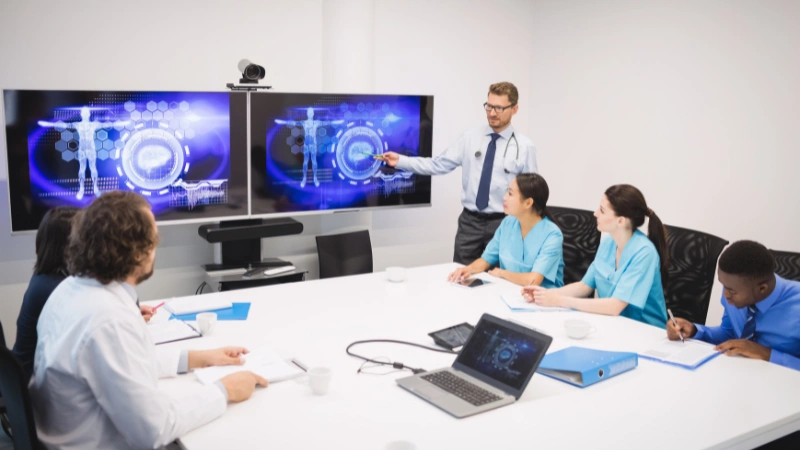
Hospitals run on precise coordination, up-to-date clinical guidance, and reliable staff training. A missed update in isolation practice, medication handling, or device use can affect patient safety within hours. Classroom sessions still have value, yet they often interrupt coverage and leave uneven follow-up across shifts. A structured learning platform gives educators, managers, and clinicians a steadier way to deliver instruction, document progress, and spot gaps before they affect care delivery.
Training Must Match Clinical Reality
Clinical work rarely follows a tidy teaching schedule. Across day, night, and weekend coverage, teams need education that fits patient flow, role demands, and unit pressure. A well-built hospital learning management system lets leaders assign role-based lessons, refresh high-risk procedures, and confirm completion without pulling large groups off the floor for long sessions. That approach supports nurses, physicians, technicians, and support staff when guidance changes quickly.
Compliance Needs Constant Attention
Regulatory expectations do not pause for staffing shortages or census spikes. Manual spreadsheets can miss expirations, duplicate records, or overdue education in multi-site systems. An effective platform stores completion dates, certificates, competency checks, and attestation history in one record. During surveys, those details matter. Clear documentation reduces last-minute searches and helps departments show that required instruction was assigned, completed, and renewed on time.
Standardization Improves Patient Care
Variation in training often leads to uneven bedside practice. One unit may teach line care well, while another handles the same task with avoidable inconsistency. A central platform keeps core instruction aligned across departments, campuses, and shifts. Shared content supports safer handoffs, cleaner technique, and clearer expectations. Patients benefit when staff members receive the same guidance, regardless of where they work or when they clock in.
Faster Onboarding Helps Staffing Stability
New hires need structure early, especially in settings where delayed readiness strains experienced colleagues. Orientation that lives in scattered binders, emails, and classroom calendars can slow safe placement. A learning platform organizes policy review, unit expectations, safety training, and role preparation in one path. Managers can check progress quickly. Educators can then focus attention on people who need bedside coaching, skill validation, or extra support.
Microlearning Fits Busy Schedules
Hospital employees often learn in brief intervals between clinical duties. Short modules make that reality usable rather than disruptive. A focused lesson on specimen labeling, fall prevention, or infusion pump changes is easier to complete than a long lecture. Brief refreshers also support memory by narrowing attention to one task. After an incident or policy revision, teams can review key steps without leaving patient care areas for extended periods.
Data Supports Better Decisions
Education should produce observable results, not vague reassurance. Reporting tools help leaders compare completion rates, assessment performance, and department patterns over time. Those findings can reveal where infection prevention knowledge remains weak or where annual competencies are delayed. Better visibility also helps hospitals connect staff preparation with quality priorities, readiness goals, and safer clinical routines.
Useful measures include overdue assignments, repeated assessment failures, and gaps between units with similar patient populations. Time to completion also deserves attention, because long delays can signal unclear content, poor scheduling, or weak manager follow-through.
Specialized Roles Need Targeted Content
Hospitals employ professionals with very different responsibilities, exposures, and clinical risks. A respiratory therapist does not need the same training sequence as a registrar or sterile processing technician. Effective systems support role-based paths by job function, department, and experience level. That focus reduces irrelevant coursework. Staff members receive instruction tailored to their daily tasks, regulatory duties, and patient-facing responsibilities.
Mobile Access Extends Reach
Many healthcare workers move constantly during a shift, from patient rooms to supply areas, procedure spaces, and charting stations. Desktop-only access can slow participation and create avoidable bottlenecks. Mobile-friendly learning lets staff review assigned lessons, check updated procedures, or confirm policy changes from practical locations. That flexibility improves completion rates and reduces the burden on educators who already manage complex schedules.
Conclusion
Hospitals need training systems that account for staffing pressures, support regulatory readiness, and improve consistency across clinical teams. An effective platform does more than hold courses in a digital library. It helps leaders assign relevant education, measure follow-through, and respond quickly when standards shift. With clearer visibility and easier access, hospitals can strengthen onboarding, refresh critical knowledge, and support safer care in environments where small errors can carry serious consequences.