
How Sales Automation Tools Are Evolving to Protect Against Cybersecurity Risks
Sales automation is evolving with a focus on cybersecurity and compliance. Strengthen your sales tech stack with third-party risk management.

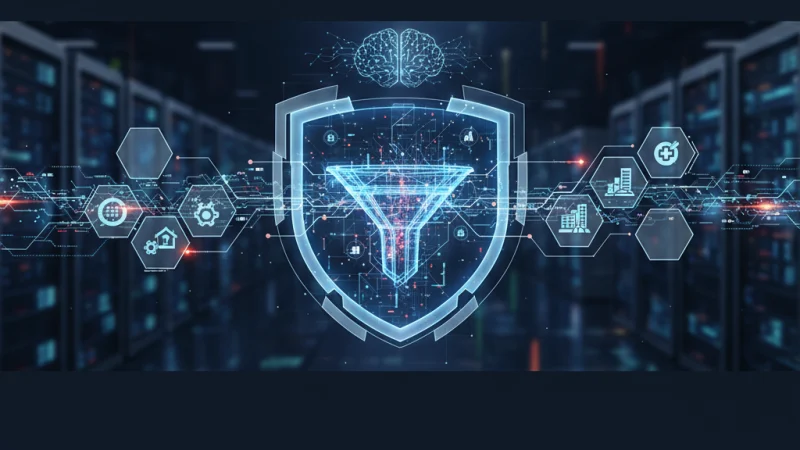
We understand that sales is a part of every business and industry around the globe, and sales teams should understand the need for automation to help streamline, optimize and close deals faster. However, companies that utilize more advanced tools and rely on external vendors can also be vulnerable to potential cybersecurity threats, particularly those working with numerous third-party vendors.
Sales automation is now focusing on the need for security postures in place for client and business protection. Businesses must strike a balance between the need for speed and the safety of sensitive customer data and internal systems from breaches and other online threats. One emerging tool is third-party risk management software, a step toward growth in sales and cybersecurity.
In this article, we will explore the cybersecurity risks behind automation, the need for compliance regulations to support business growth, and how to build an effective sales tech stack in 2025.
The Cybersecurity Risks Behind Sales Automation
Sales automation platforms connect to all types of tools from CRMs, marketing systems and communication apps. Each integration serves a purpose of working effectively, but also being a potential threat to cybercriminals. In a world where customer data and documents can be compromised, sales teams must be aware of potential risks and existing vulnerabilities.
Automation has become crucial for modern sales strategies, and companies must take the necessary steps to assess the risks involved when collaborating with external partners.
How Third-Party Risk Management Software Enhances Sales Security
Third-party risk management (TPRM) software can help companies assess, monitor, and mitigate risks associated with vendors or external partners. Integrating this software can support sales teams and businesses in automating and following through with the proper security assessments, monitoring, and responses to potential vulnerabilities or risks.
Many advanced third party risk management software offer effective processes to secure sensitive sales systems before onboarding. With automated questionnaires, evaluations, and monitoring, sales and IT teams can work together to ensure systems adhere to the correct cybersecurity standards.
This integration not only affects a customer’s data but also the trust of the business, which is essential for both B2B and B2C businesses to achieve success.
Automation and Compliance: A Growing Intersection
Many regulations, such as GDPR, CCPA, and HIPAA, are continually evolving, and compliance is a crucial aspect for sales businesses. Automated sales processes now hold and store customer information. This reflects the need for third-party vendors to comply with the correct data protection laws to ensure that customer-sensitive data is protected against potential cybercriminals.
A robust TPRM platform can enable businesses to document vendor compliance and due diligence during audits effectively. This is particularly important for industries such as healthcare, finance, and SaaS, where regulatory compliance is essential.
Building a Secure Sales Tech Stack
Security is now an important aspect when it comes to sales automation strategies. Here are some recommendations for integrating risk management into sales operations:
- Audit tools: Ensure you conduct regular reviews of your sales team to assess vendor risks and compliance status.
- Embed security: Involve your IT and security teams in the vendor risk assessment process, so they become aware of potential cyberthreats and what vulnerabilities to look out for.
- Automate risk monitoring: Use advanced tools to track third-party risks on an ongoing basis to ensure business operations and sensitive customer data are protected.
- Training: Train your staff members on social engineering, growing cyber threats and phishing to ensure they understand the common cyber threats to look out for online.
By following these recommendations, businesses can ensure that they build an effective sales team with the right advanced tools to keep business operations running smoothly and client-sensitive data safe from potential vulnerabilities. By training your teams on the growth of cyber threats, you ensure that you stay ahead of cybercriminals and assess your business infrastructure to facilitate secure expansion for the future.
Final Thoughts: Secure Growth Is Smart Growth
The lines between sales, marketing, and IT all work together, but businesses should look into advanced automation tools that offer intelligent, security-first designs all under one platform. Integrating the right third-party risk management software into your sales teams can ensure you’re able to grow your business without affecting your security postures.
Businesses should be aware of how to effectively train their sales teams to understand the need for advanced security tools and how companies should adapt to a complex environment to stay ahead of potential cyberattacks, which can occur from third-party vendors.
Take the step forward towards business success and invest in the right third-party risk management software for your business to grow!