


How Local Business Marketing Helps Brands Grow Faster
Learn how local business marketing helps brands grow faster by increasing visibility, attracting nearby customers, and boosting trust.

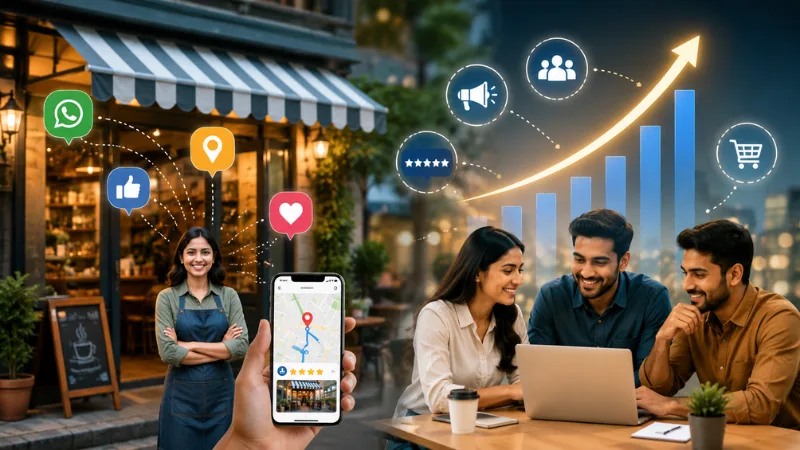
Local business marketing can speed growth because it meets people close to where buying decisions happen. Proximity shapes attention, memory, and action in ways broad campaigns often miss. A message seen during routine shopping feels timely, not forced. Familiar placement also supports trust, which matters when households choose services with little spare time. For many brands, nearby visibility creates quicker first visits, steadier return traffic, and stronger revenue patterns.
Local Reach
Distance still affects consumer behavior, even with constant online access. Shoppers often choose what feels convenient, visible, and easy to reach during an ordinary week. A local business marketing agency helps brands place messages near checkout paths, cart lanes, and neighborhood stores, where purchase intent is already active. That setting can shorten decision time, reduce wasted impressions, and keep outreach tied to practical daily movement.
Familiarity Wins
Repeated local exposure helps a name feel established before any direct need appears. That effect matters for clinics, salons, repair providers, and neighborhood dining spots. Consumers rarely research every option from scratch. A familiar sign or store message can lower hesitation and support faster trial. With enough repetition, recognition turns into preference, especially when people want a simple choice that feels known and close.
Daily Errands Matter
Routine shopping trips create useful moments for brand recall. Buyers are already thinking about household needs, spending limits, and upcoming appointments. In that frame of mind, a nearby message can feel relevant rather than disruptive. Grocery environments are especially effective because they combine frequency with practical attention. When brands appear inside those habits, responses often improve without requiring a large media budget or lengthy consideration cycle.
Repeat Visits Drive Growth
Growth usually depends on return behavior, not one-time transactions alone. Local marketing supports that cycle by reminding households to come back within a familiar route. A cart ad, a receipt offer, or an in-store placement can prompt another visit sooner than expected. That matters financially because repeat customers cost less to retain. Stable return traffic also helps brands forecast staffing, inventory, and expansion with greater confidence.
Clearer Measurement
Local campaigns usually produce cleaner data than broad geographic efforts. Teams can compare store zones, coupon use, call volume, online searches, and review activity without extra noise. Smaller markets make weak creative easier to spot. Strong offers also stand out faster. That quicker read on performance helps brands adjust timing, placement, and messaging before spending heavily in additional neighborhoods or nearby retail groups.
Print Along with Digital
Offline visibility and online follow-up often work best as a pair. A shopper may notice a message during a grocery trip and then search for details later that evening. That sequence reflects normal memory formation, where repeated cues strengthen recall across settings. Print can introduce the brand in a trusted space. Digital channels can then reinforce recognition, answer questions, and support action without requiring much effort from consumers.
Category Fit
Some business categories benefit more quickly from local promotion than others. Home services, urgent care, legal practices, pet care, and quick meal options depend heavily on nearby demand. These buyers often want convenience, familiarity, and prompt access. National awareness is less important in those moments. Local placement keeps the brand visible where people already make practical choices, which can accelerate response and shorten the path to purchase.
Trust Builds Nearby
Trust often begins before any conversation or transaction occurs. Repeated visibility in familiar stores can suggest permanence, reliability, and a sense of community presence. That perception matters because consumers worry about wasting money on unknown providers. A brand seen near checkout or during weekly errands may feel less risky than an unfamiliar option found once online. Over time, local presence can make first-time decisions feel more comfortable and more justified.
Faster Testing
Local marketing gives brands room to test ideas with tighter control. One offer, one store group, or one service area can show whether the message connects. Early feedback helps teams refine copy, pricing, and timing before committing more funds. If results disappoint, changes can happen quickly. When performance looks strong, expansion becomes a measured next step rather than a costly guess based on limited evidence.
Stronger Share
Brands often grow faster when they hold attention within a defined area first. Familiarity within a neighborhood can influence search behavior, word-of-mouth, and store preferences. Those shifts may seem modest at first, yet they compound over time. A name remembered earlier often gets considered sooner. As that pattern repeats, the brand can capture more nearby demand and build a stronger base for continued expansion.
Conclusion
Local business marketing helps brands grow faster by linking visibility to convenience, habit, and trust. People respond more quickly when messages appear near ordinary decision points, especially during errands already tied to spending. That proximity can improve first visits, support return traffic, and generate clearer performance signals. For many service categories, local promotion creates practical momentum, helping brands gain traction sooner and build stronger results over time.

