


Mobile-Based MD Registration: Apply Anywhere, Anytime
Mobile-based medical device registration revolutionizes approvals, offering remote convenience, real-time updates, and robust security for faster global market access.

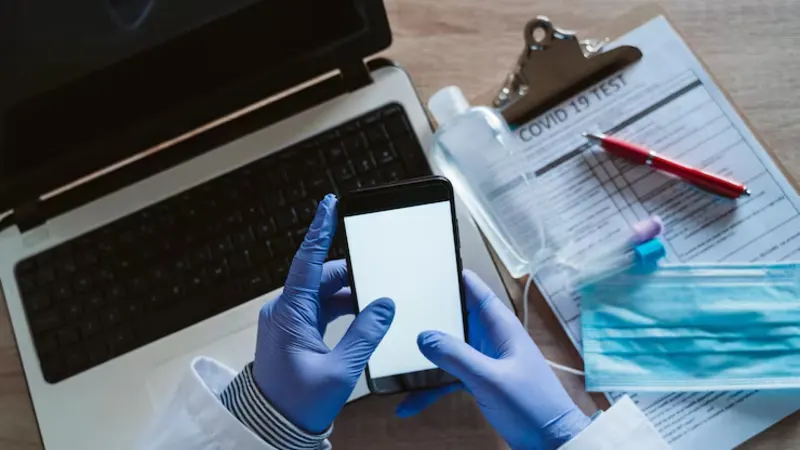
Welcome to a new era of mobile-based MD registration – a revolution that is enabling the fast-tracking of approvals, broadening global access, as well as easing the whole compliance journey, which otherwise would have been like trekking a mountain in the dark.
The New Norm: Mobility Meets Regulatory Strategy
Smartphones and tablets are major influencers of the ways people interact, purchase goods, find their way in new cities, and handle their finances. It is almost expected that the same ease would be extended to medical regulatory affairs as the next step in the evolution. By means of dedicated apps and secure mobile platforms, manufacturers have the ability to prepare, upload, monitor, and update regulatory submissions wherever they want.
In a way, the approval process has just been freed from the office. It could be that you are going from lab to lab, meeting with investors, or testing a prototype in a hospital, yet you are still making headway with your registration in real time.
What Makes Mobile-Based Registration So Powerful?
It might have appeared too risky or too ambitious just a few years back to think of managing a regulated submission from a handheld device. However, today’s technologies have made it possible to materialise the ambition with the features that enhance both speed and accuracy.
Mobile solutions are extremely powerful because of the following features:
Remote convenience
Regulatory staff can keep up with their work efficiently even when they are on a trip or working from home. Waiting times become shorter, and the communication is maintained without any breaks.
Real-time updates
Push notifications allow the teams to take immediate action when they get a regulator query, notice a missing document, or see that the approval status has changed.
Quick document management
If the document is just scanned, uploaded, and signed from the device, the whole printing, mailing, and waiting process can be removed from the work process.
Collaborative transparency
Every individual is aware of the product’s stage, which tasks are still pending, and the person responsible for each action.
Offline capability
The work doesn’t need to be stopped in areas with a bad network, where the data gets synchronised automatically as soon as the device is back online.
In a high-stakes industry where delays can impact patient access to life-improving devices, mobility is no small advantage.
Data Security Comes First
The submission of medical devices is a process that entails data being handled in a very secure manner. When filing is done via a mobile application, security has to be very strict. Fortunately, advanced systems are now equipped with:
- Encrypted data protection
- Multi-factor authentication
- Role-based access controls
- Blockchain-style traceability logs
- Secure digital signatures
- Continuous threat monitoring
These are not little extras that can be left aside if one wants to. They are the very foundation of trust that exists between manufacturers and the regulatory bodies. The better the cybersecurity is, the faster the approvals can be without any compromise.
Regulatory Bodies Are Digitally Adapting to Life
Innovation is no longer happening only on one side of the table. Government agencies and notified bodies are working hard to upgrade their portals to facilitate electronic and mobile-friendly submissions.
Some of the changes being implemented are:
- Completely digital regulatory portals
- Mobile interfaces for tracking review progress
- Virtual audits through smart devices
- Connected global registration databases
- Electronic labelling and digital certificates
Such a move conveys a strong message that the compliance of the future will be mobile, connected, and much more friendly to both the innovators and the environment.
Who Benefits the Most?
The mHealth platform for device registration is an attractive proposition to various stakeholders in the ecosystem:
- Startups improve their operations with more speed, adaptability, and fewer constraints on resources.
- Large manufacturers of medical devices have no problem coordinating activities in different countries and time zones as they interact smoothly and quickly.
- Regulatory departments have their work simplified through easy documentation processes, and bottlenecks are avoided.
- Providers of healthcare services, as well as patients, in the end, obtain quicker access to medical solutions that are able to change lives.
Summing Up
Mobile device registration for medical devices is changing the way regulators work with the features of quickness, openness, and secure accessibility. It removes the obstacles of locations, encourages global collaboration, and speeds up the approvals.
This more intelligent, portable method is a great source of power for the innovators and, in the end, is very effective in delivering new, safe medical technologies to patients in a much shorter time span than ever before.

