

MusicCreator AI Review: Transforming Digital Sound Production with Intelligent Audio Design
MusicCreator AI streamlines digital music production, offering AI-assisted stem splitting and automated mastering for artists to create high-quality audio faster and more affordably.

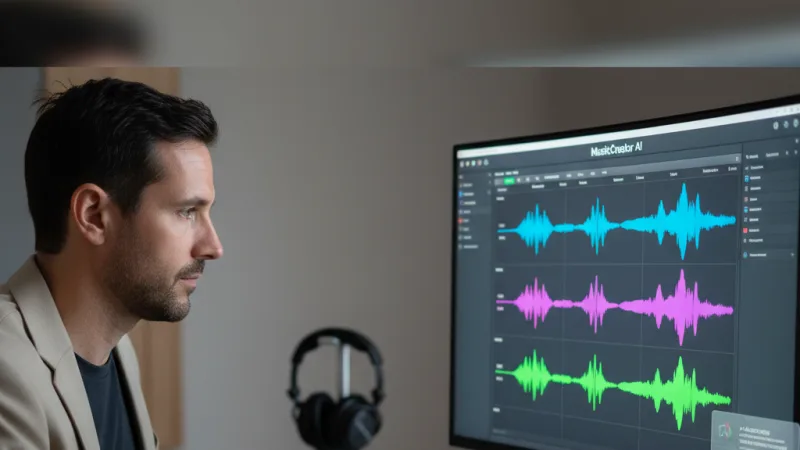
In today’s era of fast-evolving music creation, artificial intelligence is quietly reshaping how sound is produced, mixed, and shared. MusicCreator AI represents this shift—offering an intelligent workspace for artists, producers, and creators who want to turn ideas into complete audio experiences. Instead of limiting creativity, it opens new possibilities for those experimenting with cross-genre sounds, immersive tracks, and short-form social media audio.
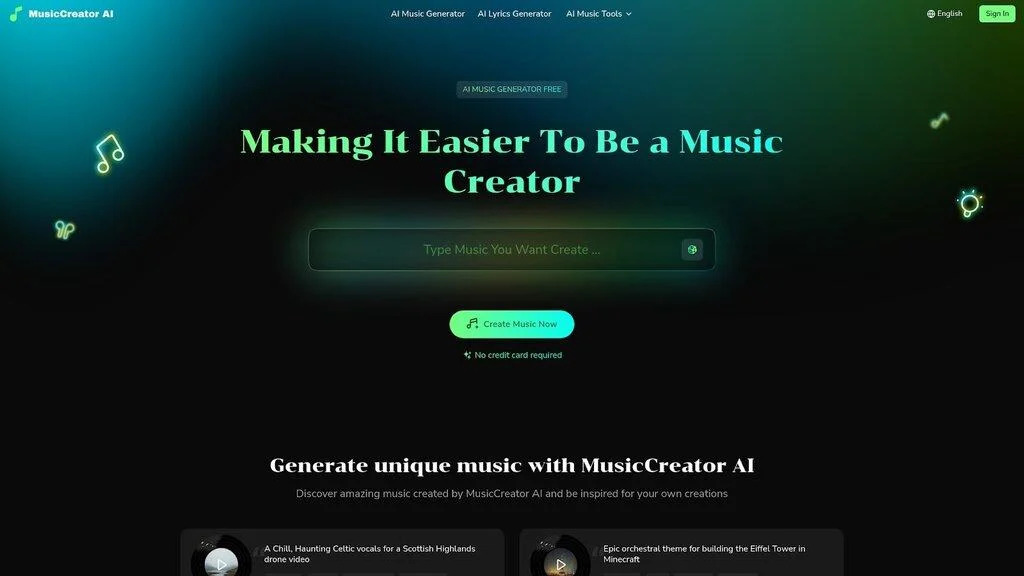
The Evolution of Digital Music and AI’s Role
Changing Sound Preferences in Modern Culture
Genres no longer exist in isolation. Lo-fi hip-hop merges with ambient, electronic meets folk, and cinematic pop borrows from trap. This creative fusion demands tools capable of understanding musical nuance while offering precise control. AI platforms like MusicCreator AI are addressing this demand, allowing users to manipulate sound structure with intuitive accuracy.
The Shift Toward AI-Driven Production
AI is becoming a standard part of production rather than a novelty. According to MIDiA Research, 62% of independent artists in 2025 use AI-assisted tools for editing, mixing, or sound synthesis. MusicCreator AI integrates seamlessly into this landscape, giving musicians real-time feedback, automated mastering, and efficient Stem Splitter functionality—reducing production time without sacrificing creative depth.
Understanding MusicCreator AI’s Core Value
Purpose and Design Philosophy
The idea behind MusicCreator AI is simple: streamline complex sound engineering so creators can focus on artistry. It merges machine learning with sound analysis, enabling users to deconstruct, remix, or rebuild tracks using AI-assisted precision. Whether isolating vocals or adjusting multi-layered instrumentals, the platform empowers musicians to treat editing as part of the creative flow rather than a technical hurdle.
How It Fits Today’s Digital Ecosystem
With the rise of short-form videos and personalized soundscapes, adaptable tools are now essential. MusicCreator AI connects the gap between traditional audio workstations and fast-paced content creation by supporting flexible exports for platforms like TikTok, YouTube, and Spotify. Its ability to handle both high-fidelity sound production and mobile-friendly outputs makes it relevant for today’s cross-platform creators.
Workflow and User Experience
Step-by-Step Editing Flow
Users begin by uploading their track or sample into the platform. Within seconds, the Stem splitter processes and separates the audio. Each layer can then be enhanced, equalized, or rearranged using built-in AI-assisted controls. The platform’s cloud rendering system ensures that even large projects run smoothly on standard devices.
Compatibility and Export Options
MusicCreator AI integrates effortlessly with industry-standard DAWs such as FL Studio, Logic Pro, and Ableton Live. The exported stems or full mixes can be downloaded in multiple formats, making the platform suitable for both professional production and casual creative work.
Advantages That Matter
Accessibility and Cost Efficiency
Unlike traditional studios that require complex setups and expensive plugins, MusicCreator AI offers comparable functionality at a fraction of the cost. This accessibility encourages more artists—especially independents—to produce and release high-quality music without financial barriers.
Speed and Creative Flow
AI-assisted automation cuts editing time dramatically. For example, users report 60–70% faster production cycles compared to manual mixing. By automating repetitive tasks, the platform allows creators to stay in the creative mindset longer, improving output and innovation.
Consistency and Quality Assurance
The software’s machine-learning model learns from user behavior over time, gradually adapting its processing style. This ensures consistent quality across projects while maintaining individual creative signatures.
Potential Drawbacks and User Considerations
Dependence on AI Interpretation
While AI delivers speed and efficiency, it still relies on data-driven prediction. Experienced engineers may find the automated corrections too rigid for nuanced emotional expression. Manual refinements are sometimes needed for subtle acoustic or vocal dynamics.
Cloud Reliance
Because MusicCreator AI operates on cloud infrastructure, it depends on internet stability for optimal performance. Offline producers may experience workflow interruptions when network conditions are inconsistent.
Who Should Use MusicCreator AI?
Independent Artists and DIY Producers
For independent musicians, this platform is a gateway to professional-grade production. They can separate, remix, and master tracks independently using the Stem splitter, transforming creative sketches into polished outputs ready for distribution.
Content Creators and Social Media Artists
Short-form creators increasingly need custom soundtracks for their videos. MusicCreator AI allows them to generate, edit, and adapt audio for trends, algorithm-driven sounds, and niche aesthetics—all from one interface.
Educators and Students in Music Technology
The platform’s intuitive interface also benefits music education programs, offering hands-on AI interaction that teaches students about waveform analysis, mixing principles, and real-world production workflows.
Impact on the Digital Music Market
Shaping a More Inclusive Production Landscape
AI tools like MusicCreator AI lower the entry barrier for music creation. They help diversify the industry by empowering creators from non-traditional backgrounds to contribute fresh perspectives. This democratization is particularly important in global regions where studio access remains limited.
Driving Digital Transformation in Sound Creation
By fusing traditional sound engineering with real-time AI processing, the platform accelerates the digital transformation of music production. Artists no longer need to rely on expensive mastering sessions or hardware constraints—they can craft, test, and release directly from digital workspaces.
Final Thoughts: Music in the Age of Intelligent Creation
The relationship between AI and music is no longer experimental—it’s collaborative. MusicCreator AI reflects a balanced approach where human imagination and algorithmic logic work side by side. Its Stem splitter, adaptive enhancement tools, and intuitive design mark a step toward more intelligent, accessible, and sustainable sound production.
As the creative industry continues evolving, platforms like this won’t replace artists—they’ll empower them. The real innovation lies not in automation alone, but in how technology enhances creative freedom. MusicCreator AI stands as an example of this new harmony—where technology doesn’t dominate the music-making process, but helps it sound clearer, reach farther, and connect deeper.