The Revenue Share Model Is Changing How Indian Venues Think About Entertainment
Explore how the revenue share model is reshaping entertainment partnerships for Indian venues with lower risk and better returns.

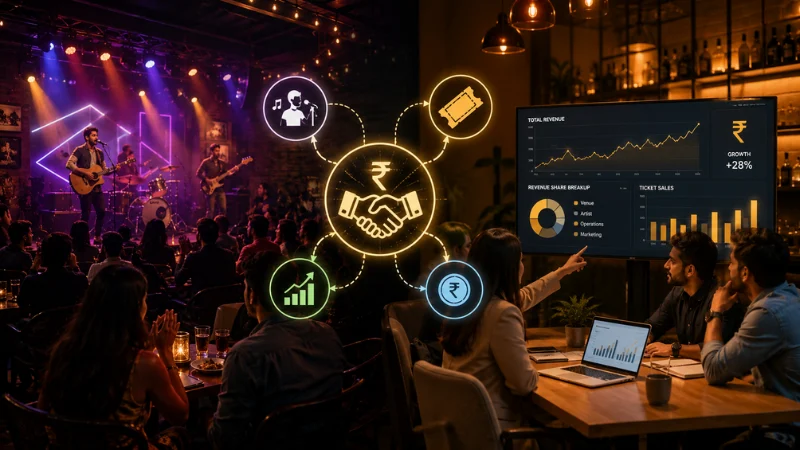
India’s food and beverage industry is undergoing a quiet shift. For decades, venue owners — restaurants, bars, hotels, malls — operated on a simple formula: buy equipment, hire staff, hope for returns. Whether it was a karaoke machine, a pool table, or a kids’ play zone, entertainment meant capital expenditure.
That model is breaking.
A growing number of Indian venues are adopting revenue share arrangements where equipment providers install attractions at zero cost to the venue, and both parties split the revenue generated. No capex. No maintenance burden. No risk for the venue owner.
And the category leading this shift? AI photo booths.
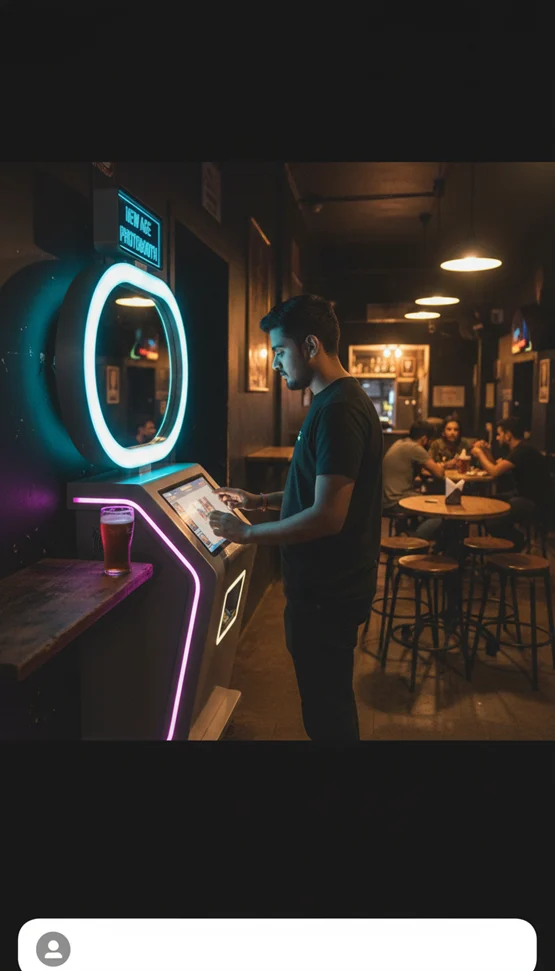
How the Revenue Share Model Works
The concept is straightforward. A technology company manufactures and owns the equipment — in this case, an AI-powered photo booth with touchscreen operation, 200+ digital effects, and integrated UPI payments. The company installs the booth at a venue for free. The venue provides floor space (typically under 7 square feet), a power outlet, and Wi-Fi.
Every time a customer uses the booth — paying ₹129-250 per session via UPI — the revenue is split between the equipment owner and the venue. The venue earns anywhere from ₹10,000 to ₹75,000 per month depending on footfall, without spending a single rupee upfront.
Maintenance, consumables (printer paper, ink cartridges), software updates, and troubleshooting are all handled by the equipment provider. The venue’s operational burden is literally zero.
Why Venues Are Saying Yes
The appeal isn’t just “free equipment.” There are several structural reasons why this model is gaining traction across India’s hospitality sector:
- Revenue per square foot
Commercial real estate in Indian metros is expensive. Every square foot needs to justify itself. A photo booth occupies roughly 6-7 square feet — smaller than a two-seater table — and can generate ₹2,000-12,000 per square foot per month. For comparison, an ATM kiosk (which also operates on a placement model) generates ₹500-800 per square foot.
- Self-service operation
Unlike a DJ, live band, or karaoke setup, a modern AI photo booth requires zero staff. Customers interact with the touchscreen, pay via UPI, select their AI effect, and collect their printed photo — all without assistance. This matters in an industry where staffing costs are a constant pressure point.
- Marketing as a by-product
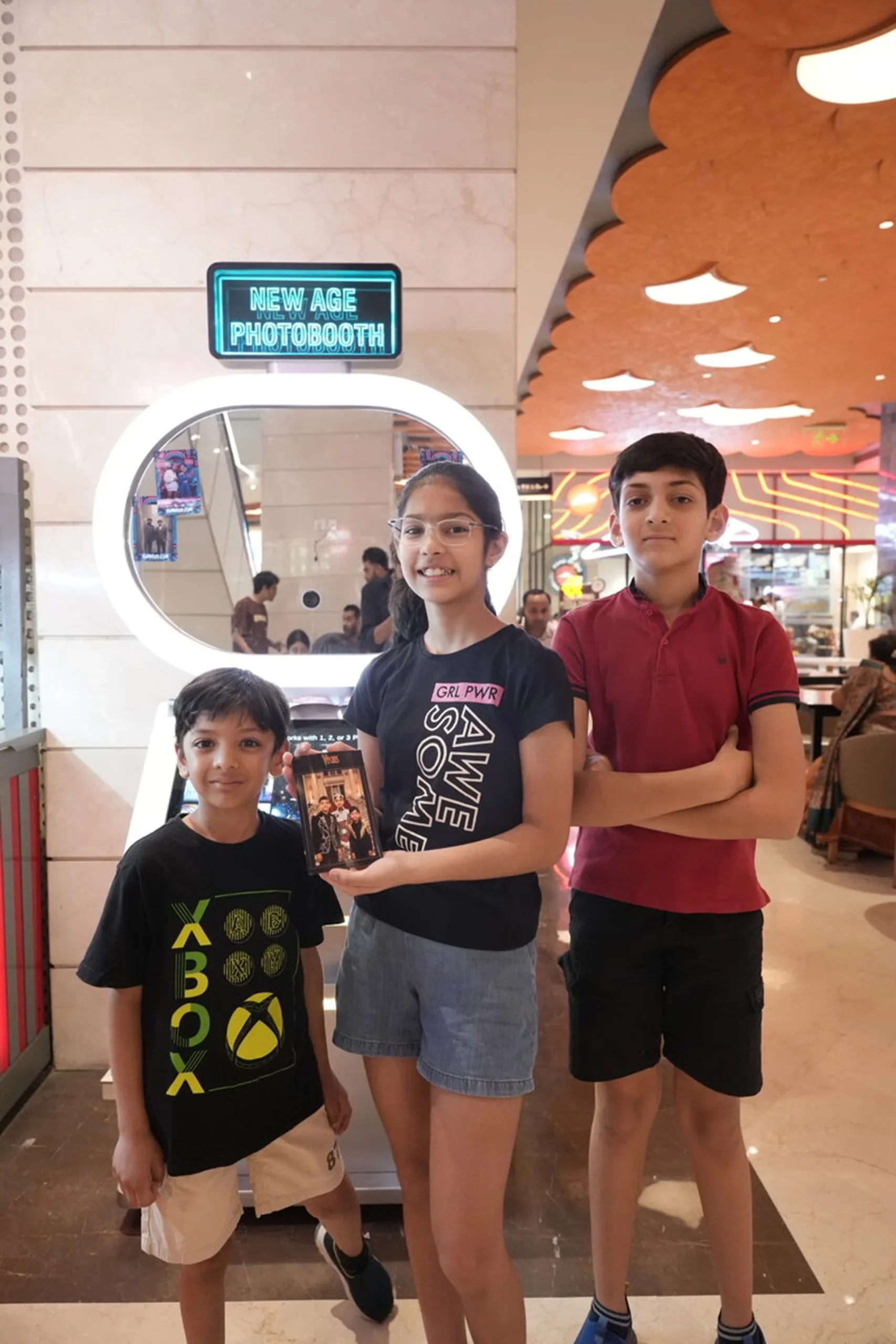
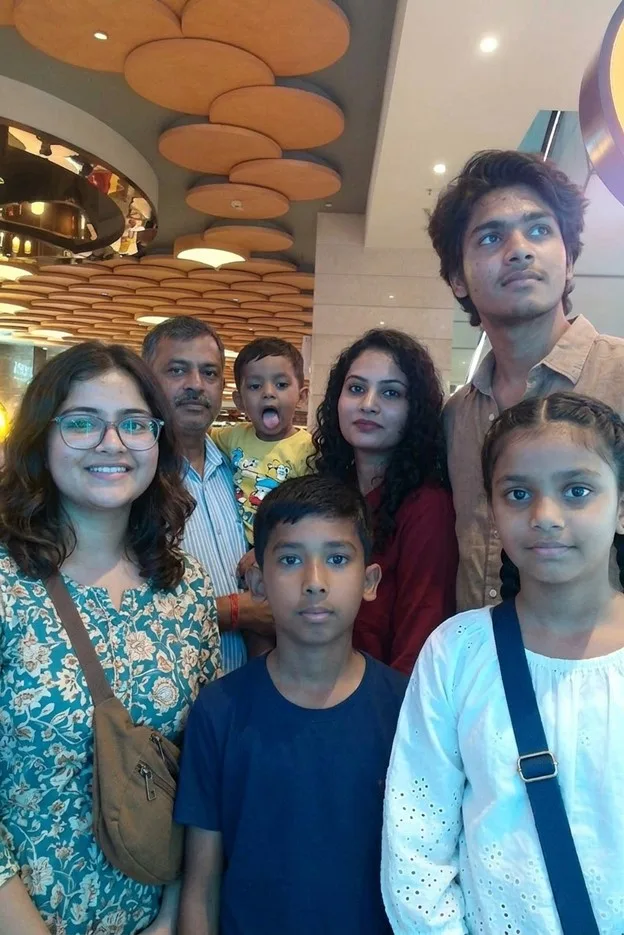
This is perhaps the most overlooked benefit. When a customer takes an AI-transformed photo — say, a Bollywood-style portrait or a K-pop transformation — they share it on Instagram Stories and WhatsApp. Each share carries the venue’s branding. Industry estimates suggest each printed photo generates 300-400 brand impressions across physical display and digital sharing.
For a venue doing 40 sessions per day, that translates to over 14,000 brand impressions daily — equivalent to ₹1-1.5 lakh per month in Instagram advertising spend, except the venue isn’t paying for it.
- Zero downside risk
Most revenue share agreements include exit clauses (typically 30 days’ notice after an initial period). If the booth doesn’t perform, the venue can request removal. Since no money was invested, there’s no sunk cost. This risk-free structure is particularly attractive to first-time venue owners and operators expanding into new markets.
The Numbers Behind It
Different venue types see different results, largely driven by footfall and customer demographics:
| Venue Type | Monthly Footfall | Sessions/Day | Venue’s Monthly Share |
| Cafe / QSR | 200-400 | 20-40 | ₹10,000-30,000 |
| Brewery or bar | 300-600 | 40-80 | ₹25,000-60,000 |
| Hotel lobby | 200-500 | 30-60 | ₹15,000-45,000 |
| Mall common area | 500-2,000 | 50-100 | ₹30,000-75,000 |
| Gaming zone / FEC | 300-800 | 40-100 | ₹25,000-75,000 |
The variance is significant, but the floor is still meaningful: even a low-footfall cafe generating ₹10,000/month from 6 square feet of otherwise unused space is a compelling proposition.
What’s Driving This Trend Now?
Several factors have converged to make this model viable specifically in 2025-2026:
- UPI ubiquity: With 80%+ of urban smartphone users on UPI, frictionless self-service payments are now possible. Five years ago, a photo booth would have needed a cashier or token system.
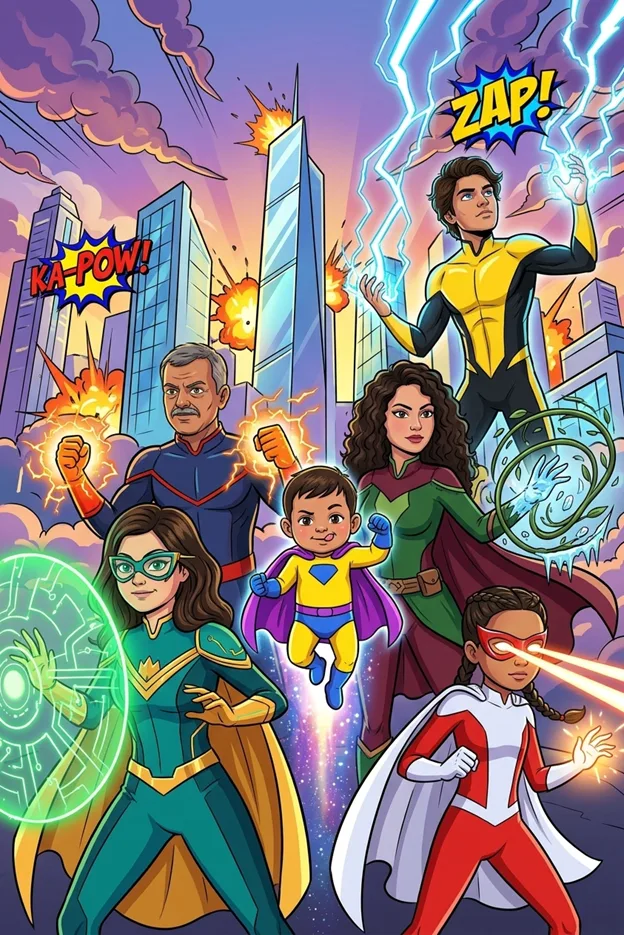
- AI capability: Modern AI can transform a simple selfie into a professional-grade composite in under 10 seconds — superhero themes, vintage film looks, celebrity-style portraits. The output quality is now genuinely share-worthy, which drives repeat usage.
- Indian manufacturing: Companies like Bamigos, based in Delhi, manufacture AI photo booths entirely in-house — firmware, PCBs, software, cabinet — which keeps unit economics viable for revenue share deployment. Imported booths from China or Korea are too expensive to give away for free.
- F&B boom: India is adding 50+ shopping malls annually, and the restaurant industry is growing at 10%+ year-over-year. Every new venue needs differentiation, and entertainment that pays for itself is an easy decision.
The Broader Implication
The photo booth is just the beginning. The revenue share model works for any self-service, low-footprint equipment that generates per-use revenue: EV charging stations, vending machines, arcade games, digital advertising screens. But photo booths are uniquely positioned because they combine direct revenue (per-session payments) with indirect value (marketing through social sharing).
For venue owners evaluating their next entertainment investment, the question is shifting from “how much does this cost?” to “does this cost anything at all?”
The answer, increasingly, is no.
The revenue share model for AI photo booths is currently being deployed across restaurants, bars, hotels, and malls in India. Learn more about zero-cost venue installations.