
Your Spending May Reflect Stress More Than Priorities
Discover how stress can influence spending habits and lead to purchases that reflect emotions more than your real priorities.

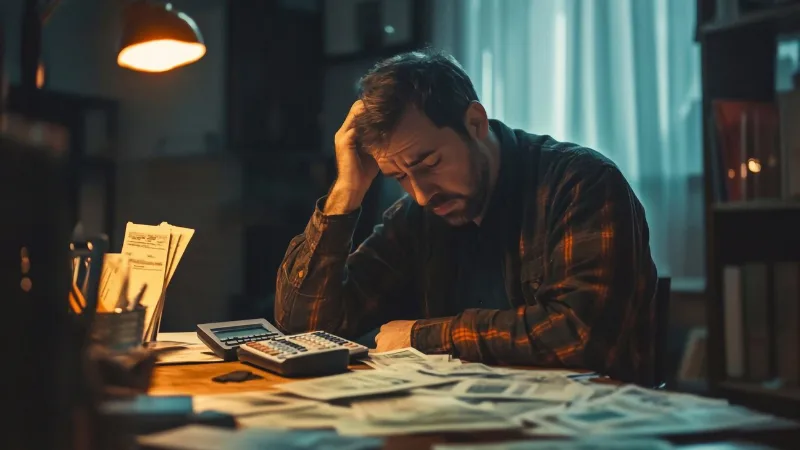
Money habits are often treated like a simple reflection of values. If you spend a lot on takeout, people assume convenience matters most to you. If you splurge on clothes, they assume image is a priority. If you keep buying gadgets, they figure you love tech. Sometimes that is true. But sometimes your spending is not telling the story of what matters to you at all. It is telling the story of what is overwhelming you.
That shift matters more than people realize, especially when financial pressure is already high. A person under stress may start using purchases as a fast form of comfort, distraction, or control. In those moments, even serious financial choices, including looking into hard money loans, can come from a state of urgency rather than calm planning. The spending itself is not always the real issue. Often, it is the emotional state sitting behind it.
A lot of financial advice starts with budgets, goals, and discipline. Those things matter, of course. But they do not always explain why someone can make a plan on Sunday and break it by Wednesday. Stress changes behavior. It narrows attention, shortens patience, and makes relief feel more important than long term priorities. If that sounds familiar, the problem may not be that you do not know what matters. It may be that stress keeps hijacking the way your money gets used.
When Spending Becomes Emotional First And Practical Second
Stress spending usually does not look dramatic at first. It can be a delivery order because cooking feels impossible. It can be a late night online cart full of things that seem useful in the moment. It can be buying a small treat after a frustrating meeting because you want the day to feel less heavy.
That is why this pattern is easy to miss. The purchases often look normal on the surface. The deeper clue is the feeling before and after. Before the purchase, you feel tense, drained, numb, irritated, lonely, or mentally overloaded. After the purchase, you feel a small wave of relief, then maybe guilt, regret, or a familiar promise to do better tomorrow.
This is where money starts acting less like a tool and more like an emotional pressure valve. Shopping can provide a temporary mood boost and a sense of personal control, which helps explain why it feels so effective in the moment. But when it becomes a default response to anxiety, sadness, or loss, it can turn into a costly coping habit instead of a healthy release. Cleveland Clinic explains how retail therapy can feel rewarding while still becoming a problem when it is your go to response to stress.
Your Bank Statement May Be Showing Your Nervous System
One useful way to think about spending is this. Your budget reflects math, but your transactions often reflect mood. If your nervous system is constantly stuck in survival mode, your money may start moving in survival mode too.
That can show up in a few common ways. You might pay for convenience because you are too exhausted to plan ahead. You might buy aspirational items because you want to feel like a better, more organized version of yourself. You might spend on experiences because being home with your thoughts feels hard. You might ignore bills entirely because opening them spikes your anxiety.
None of that means you are careless. It means stress can make short term soothing feel urgent. Chronic stress can also affect sleep, concentration, decision making, appetite, and other daily behaviors, which helps explain why financial choices often get worse during emotionally difficult seasons. The CDC outlines how long term stress can affect decisions, sleep, mood, and day to day functioning, along with practical ways to cope more effectively.
Seen that way, spending is not just about self control. It is also about emotional capacity. A tired, overstimulated, worried brain does not shop the same way as a rested, grounded one.
Why “Treating Yourself” Can Quietly Become Self Abandonment
There is nothing wrong with enjoying your money. Pleasure is not the enemy. The issue is when every reward comes at the expense of your future stability.
Stress spending often disguises itself as self care. You tell yourself you deserve it, and sometimes you do. But real self care is not only about feeling better in the next ten minutes. It is also about protecting next month’s rent, reducing panic, and making sure your future self does not inherit today’s desperation.
That is the trap. A purchase can feel like kindness in the moment while still making life harder later. Then the harder life creates more stress, which triggers more spending, and the cycle keeps feeding itself.
In that loop, priorities do not disappear. They just get drowned out. You may still care deeply about getting out of debt, saving money, or building stability. Stress simply gets louder than those goals.
How To Tell Whether Stress Is Driving Your Spending
A simple question can reveal a lot: “What feeling was I trying not to feel?”
That question gets underneath the item itself. Maybe the new shoes were not about shoes. Maybe they were about wanting a hard week to feel less disappointing. Maybe the impulse order was not about hunger. Maybe it was about being mentally cooked after a long day. Maybe the subscription, upgrade, or random home purchase was not about need. Maybe it was about chasing a feeling of being in control.
Other signs can include hiding purchases, feeling dread before checking your account, promising yourself that one buy will fix your mood, or spending most when you are lonely, burned out, or overwhelmed. If your spending spikes after conflict, bad news, boredom, or exhaustion, that pattern is worth noticing.
Awareness is powerful because it gives you a pause point. You do not have to shame yourself. You just have to get more honest about the job your money is being asked to do.
What Helps More Than Another Strict Budget
If stress is the driver, a perfect spreadsheet will not solve everything by itself. You need friction around the spending habit and relief that does not cost as much.
That might mean making a 24 hour rule for nonessential purchases. It might mean removing saved payment information from shopping apps. It might mean keeping a note on your phone with a short list called “what actually helps when I am spiraling.” That list could include walking, texting a friend, taking a shower, listening to music, journaling, stretching, or getting outside for fifteen minutes.
It also helps to build small forms of emotional safety into daily life before you reach a breaking point. Stress management is not a luxury item. It is financial protection. Rest, routine, movement, social support, and breaks from constant stimulation are not just wellness ideas. They can reduce the odds that your money becomes your coping tool.
A Better Question Than “Why Can’t I Be Disciplined?
Many people talk to themselves harshly about money. They call themselves impulsive, lazy, irresponsible, or weak. Usually that shame only adds more stress, and more stress tends to produce the exact behaviors they are trying to stop.
A better question is, “What is my spending helping me survive right now?” That question is gentler, but it is also more honest. Once you know the function, you can start looking for substitutes that meet the same need with less damage.
If your spending is buying relief, look for relief. If it is buying distraction, build healthier distraction. If it is buying comfort, make comfort easier to access without a card number. The goal is not to become robotic with money. It is to make your financial life reflect your actual priorities more often than your stress response.
That is when spending starts to change in a lasting way. Not when you become perfect, but when you become aware enough to see that some purchases were never really about the item at all. They were about trying to feel okay. Once you understand that, you can start building a life where your money supports you, instead of constantly cleaning up after your stress.