


The 6 Best AI-Powered Cold Email Outreach Tools of 2025
Stop hiring more reps or accepting terrible reply rates. These AI email tools write personal messages at scale and actually land in inboxes, not spam folders.


The 6 Best AI-Powered Cold Email Outreach Tools of 2025
Why should sales teams struggle with manual outreach when AI can do it better?
Cold outreach used to mean hiring more reps or accepting terrible response rates. Not anymore. Smart email platforms now write messages that sound human, warm up your domains automatically, and actually land in primary inboxes instead of junk folders. Suddenly, small teams get the kind of reach once reserved for enterprise sales floors.
Curious which ones actually work? Here’s a lineup of the best cold email tools and their standout AI features that’ll make your next campaign way easier.
1. Instantly
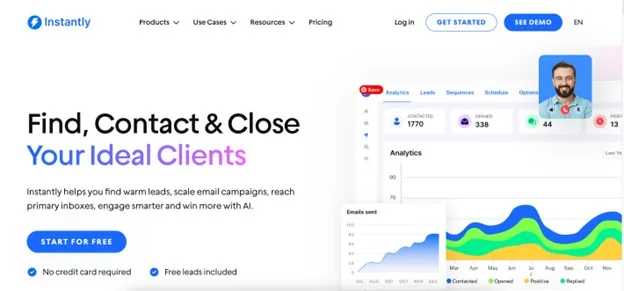
Instantly starts with the foundation most platforms ignore: deliverability. The AI-powered email warm-up builds your sender reputation gradually at no extra cost, while the AI Spam Word Checker catches problematic phrases before they tank your inbox placement.
The AI B2B Lead Finder pulls the most relevant contacts from its 450 million contact database, using smart algorithms to match your ICP. Once you’ve got your audience, the AI Sequence Generator takes over. Just drop in a detailed prompt about your campaign goals and target audience, and watch it build complete outreach sequences that maintain your voice and hit the personalization triggers that actually drive replies.
On the inbox side, Automated Reply Labeling sorts incoming responses across 50+ languages (interested, not interested, out of office) without you touching a single email. When replies start flowing in, Reply Suggestions pick up on what was said and how it was said. They nudge you with follow-ups that fit the moment, so you can answer faster and keep the conversation going.
2. Saleshandy
Saleshandy built its reputation by solving the unglamorous problems that kill cold email campaigns. When you’re crafting sequences, the AI Writing Assistant scans for words that trigger spam filters and suggests alternatives that keep you out of junk folders.
The AI Variants Generator takes one base email and creates multiple personalized versions automatically. All you need to do is feed it your key selling points and watch it spin dozens of unique approaches.
The real value shows up in reputation management. AI Bounce Detection watches your deliverability metrics and automatically pauses problematic sender accounts before they hurt your domain reputation. Meanwhile, Reply Categorization sorts incoming responses into “interested,” “meeting scheduled,” or “not interested” buckets, and Out-of-Office Management delays follow-ups intelligently based on return dates.
But while Saleshandy covers the fundamentals well, its interface can feel dated compared to newer tools. Also, some users note the AI variants start sounding repetitive over time, forcing them back into manual editing mode.
3. Apollo
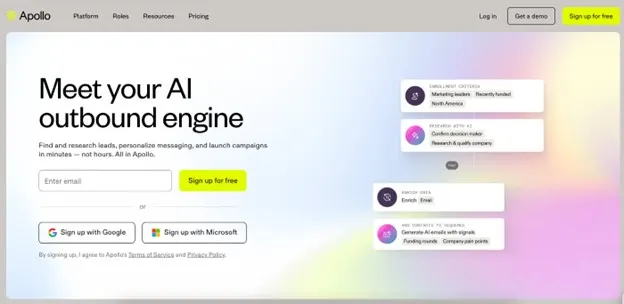
Apollo has a massive prospect database that feeds directly into its AI writing tools. When you’re searching for leads, the platform’s AI Lead Scoring ranks prospects by conversion likelihood, so you skip the tire-kickers and focus on buyers. The AI Writing Assistant then pulls actual company data (recent funding, team size, tech stack) and weaves it into emails that sound like you researched each prospect personally.
Sequence Automation takes over from there, building follow-up chains that adapt based on how prospects engage. As these sequences run, Conversation Insights watches what happens: which subject lines get opened, which CTAs get clicked, and feeds that intelligence back into your next campaigns with specific suggestions for better performance.
The catch hits your wallet. Apollo runs on credits, and the AI features burn through them quickly. What looks affordable at signup can get expensive fast when you’re running serious outreach volume.
4. Klenty

Klenty built Ask Kai to solve the research problem that kills most personalization efforts. Instead of spending hours digging through LinkedIn profiles and company websites, their AI Email Writer does the detective work for you, pulling relevant details from multiple data sources and folding them into emails that sound like you actually know each prospect.
The AI Warmup system takes a smarter approach than most platforms by varying sending patterns and frequency to avoid the robotic behavior that triggers spam filters. Lead Prospecting runs in the background, continuously finding contacts that match your ideal customer profile, while Reply Management sorts incoming responses so you know which prospects are worth your immediate attention.
However, the learning curve hits some users hard. The platform packs in tons of features, which can feel overwhelming if you just want something simple that works out of the box.
5. Outreach
Outreach.io learns from your sales history to make future outreach smarter. Smart Email Assist analyzes your past successful interactions and uses those patterns to generate personalized emails that mirror what’s worked before. You can adjust tone and length, but the AI foundation comes from real data about what closes deals in your specific market.
Sentiment Analysis reads incoming replies and flags the hot leads automatically, so prospects who sound genuinely interested get prioritized over polite brush-offs. Smart Deal Assist goes deeper, predicting which opportunities are likely to close based on engagement patterns, while Sequence Automation adjusts follow-up timing based on prospect behavior. The platform integrates seamlessly with Salesforce and HubSpot, keeping your CRM data synchronized without manual work.
The major frustration? Outreach.io keeps its pricing behind closed doors, making you go through sales conversations just to understand what you’ll actually pay.
6. Reply.io
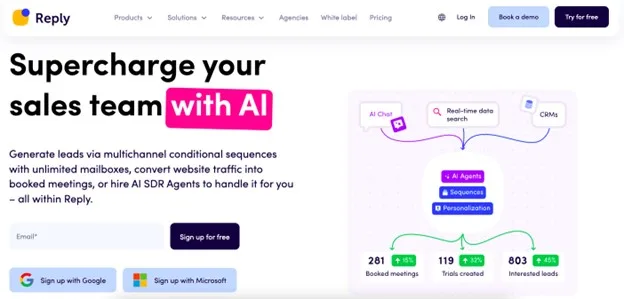
Reply.io’s standout feature is Jason AI, their autonomous AI SDR that handles everything from sequence creation to meeting booking. Feed Jason a prompt about your business and target audience, and it generates complete email sequences with personalized intros based on actual prospect research. The AI digs up relevant talking points for each contact, saving hours of manual work that most teams waste on LinkedIn stalking.
AI Variables personalize emails at scale without the robotic feel, while the AI Writer adapts your messaging for different channels (email, LinkedIn, calls), keeping your voice consistent across touchpoints. Sequence Generator builds multi-step campaigns that feel natural rather than automated.
However, this power comes with a price tag. Jason AI starts at $500 monthly(!), which makes it worthwhile mainly for high-value campaigns or larger teams.
So, Which AI Tool Works Best for You?
The best AI-powered cold email tools solve problems you didn’t know you had: smart spam detection, automatic domain warming, and reply sorting across dozens of languages.
The real shift isn’t just better personalization. AI now handles the backend work that used to require specialists, such as deliverability monitoring, reputation management, and prospect research. The platforms combining massive contact databases with intelligent lead scoring are setting the pace for 2025 outreach.
Pick the tool that fits your volume and budget, but don’t skip proper setup. Even the smartest AI needs clean data to deliver results.

