


The Importance of Storytelling in Early-Stage Startup Marketing
Forget buzzwords and feature lists. Discover why storytelling is the most powerful marketing tool for startups—and how to tell yours authentically.


Let’s be honest. When you launched your startup, you probably didn’t dream about crafting the perfect “About Us” page or finding the right words to describe your journey. You were focused on the product, the pitch deck, and whether your bank account would last another month.
But here’s a reality check: no matter how genius your idea is or how sleek your interface looks, people won’t care—unless they care about you. That’s where storytelling walks in, cape and all—the unexpected marketing superhero you didn’t know you needed.
Wait, Why Storytelling? Isn’t That for Novelists?
Storytelling might sound like something best left to Hollywood screenwriters or that one friend who turns every weekend trip into a dramatic saga. But in the startup world, storytelling is the glue that connects you to your audience—investors, customers, even future teammates.
Because let’s face it: early-stage startups are messy. Half-baked websites, buggy MVPs, logos that were definitely not designed by professionals—sound familiar?
In that chaos, a good story makes your brand memorable. It explains your why in a way bullet points never could. It builds trust. And in a sea of startups screaming “We’re the Uber of X,” your story helps you stand out without having to shout louder.
The Problem with the “Pitch-First” Mindset
Founders are often taught to lead with the product. “Tell them what it does. Show the value. Prove your traction.” All valid. But here’s the twist: features don’t make people feel things. Stories do.
You could say:
“Our app helps remote teams manage daily standups with automated reminders.”
Or you could say:
“Our co-founder once forgot so many standups while working remotely that the dev team created an internal tool to remind him. That tool? Became our product.”
Which one’s more interesting?
Exactly.
When Startup Messaging Misses the Mark
Many early-stage startups fall into the trap of thinking that big, fancy words will make them sound legit. You’ll often hear something like, “We’re a next-gen productivity platform for cross-functional teams.” It sounds impressive… until you realize no one, not even the team, really knows what that means.
What tends to work better? A simple, relatable story. Like: “We kept missing deadlines, things were chaotic, so we built something to keep ourselves on track.” That kind of story? It gets shared. It resonates. People immediately get the problem and see the human effort behind the solution.
The takeaway? Vulnerability, clarity, and a touch of humor will always beat a wall of buzzwords. People want to connect, not decode a press release.
Why Storytelling Works for Early-Stage Startups
Let’s break it down. Here’s why storytelling is your best marketing tool when you’re still figuring things out:
1. People connect with people, not products
Your story humanizes your brand. It reminds potential customers (and investors) that there’s a human behind the logo, someone who cares, someone who’s hustling just like them.
2. You don’t have data yet—use narrative instead
In the early days, you may not have wild growth charts, user testimonials, or case studies. That’s okay. Tell the story of the problem, your journey, and your vision. That’s more powerful than metrics when the metrics don’t yet exist.
3. Stories are sticky
People forget feature sets. But they remember the story of that founder who built a business in a garage while their dog chewed through every charging cable in sight. A great story makes you memorable.
So, How Do You Tell a Great Startup Story?
Glad you asked. Here’s a basic recipe (no apron required):
Start with your “why”
Why does your startup exist? Not the market opportunity, not the gap in the industry. Why you? Maybe you experienced the problem firsthand. Maybe it made your life miserable. That’s a winner—use it as your starting point.
Add some flavor
Details make stories real. Talk about the late nights, the weird moments, the first time someone actually paid for your product (and how you did a little happy dance in your kitchen).
Keep it healthy. Don’t overdo the drama
You don’t need to turn every challenge into a tragedy or every win into a Hollywood climax. Just be honest. Be human. That’s enough.
End with a purpose
Tie your story back to what you’re building now and why people should care. Welcome them into the journey, not just as buyers, but as supporters who believe in the mission.
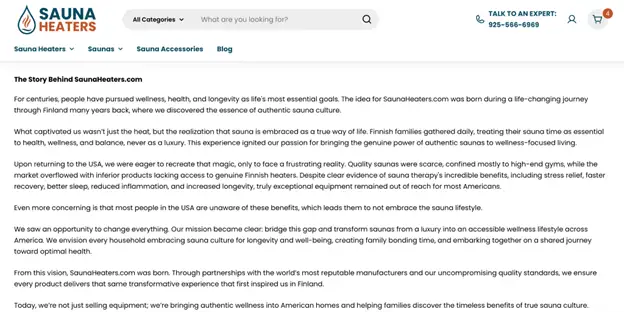
And if you’re looking for inspiration on how to shape your own narrative with clarity and intention, you can explore Sauna Heaters for an example of how a brand story can stay simple, honest, and mission-driven.
Where Your Story Should Live (Hint: Not Just One Place)
Okay, so you’ve got your story. Now what?
1. Your website
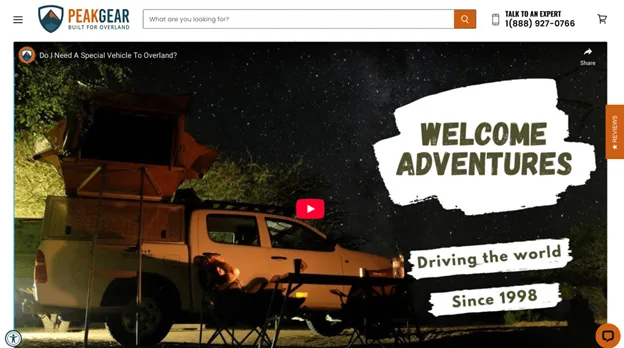
Your homepage should hint at it. Your “About Us” page should tell it. Avoid buzzwords like “revolutionary” and “disruptive.” You’re not a sci-fi villain, just explain your mission like a human. If you want a simple example of how a clear mission can come through in a brand’s story, you can take a look at PeakGear and see how purpose is woven into the way they present themselves.
2. Your pitch deck
Investors don’t just invest in products—they invest in founders. Make your story part of your pitch. Show the passion and the problem you’re solving.
3. Social media
Let your audience see the real work happening in the background (behind-the-scenes moments). Post about challenges. Let people into your journey. You’d be surprised how many customers come from those random Twitter threads you almost didn’t post.
4. Emails and updates
Whether you’re writing investor updates or onboarding emails, storytelling can help. Even a launch email can be framed as a small milestone in your bigger journey.
A Few Gentle Reminders
Here’s a gentle list of what to lean into and what to maybe ease off.
DO:
- Be authentic. People can spot fake “founder journeys” a mile away.
- Use humor if that’s your style. Poking fun at your own quirks builds instant connection.
- Show progress, not perfection. You’re a startup, not a finished product.
DON’T:
- Make stuff up. If your story involves fighting off a bear while coding, it better be true.
- Rely only on storytelling forever. Eventually, the product has to back it up.
- Hide your face. Use videos, photos, and personal tweets. Your audience is curious about you.
Final Words: Your Story Is Your Brand
In the early stages, you don’t have the budget for big campaigns or the time for complex funnels. But you do have a story. And that’s your most powerful marketing tool.
So stop trying to sound like a Fortune 500 company. Be you. Tell your tale. Let people see the real, imperfect, inspired human behind the business.
Because in the end, people don’t fall in love with products. They fall in love with stories. Take startups like Sauna Heaters, for example. They’re a small, passionate team with a compelling story, showing how even early-stage founders can connect with customers by sharing their journey, mission, and values.
Author Bio
Andy Beohar is the Managing Partner at SevenAtoms, a premier San Francisco-based ecommerce marketing agency. SevenAtoms excels at helping SaaS, Tech, and Ecommerce businesses achieve exceptional growth through paid search and paid social campaigns. Andy strategizes and executes high-impact paid search marketing strategies that drive measurable results. Connect with Andy on LinkedIn or Twitter!

