Brands Sell ‘Human-Made’ as AI Fatigue Sets In
As AI fatigue grows, brands are embracing "human-made" as a premium value, highlighting authentic craft as the ultimate competitive edge.

Jersey City, N.J., April 7, 2026: In a reversal of the generative AI boom that reshaped advertising over the past two years, lifestyle brands like Aerie and Le Creuset based in Pennsylvania, USA are beginning to market their campaigns with the tag of ‘NO AI.’
Retail companies have started using “No AI” or “AI-free” labels in their campaigns. They say their visuals and content are created without generative tools. The goal is to highlight authenticity at a time when consumers are questioning what is real online.
Concerns are rising as AI-generated images and videos become harder to detect. According to the wire, some brands are now using “human-made” messaging to reassure customers about the origin of their content.
“Consumers are looking for authenticity and transparency from the brands they engage with,” said Michelle Peluso, a senior marketer across major consumer brands, reflecting a broader shift in brand strategy.
Industry experts say this is an early backlash to what they call “AI content saturation.” Many brands are using similar tools, which is making content look repetitive. As a result, companies are searching for new ways to stand out.
Regulation is also starting to shape this shift. New York plans to require advertisers to disclose the use of AI-generated people in ads from mid-2026, the report said. This could influence rules in other markets as well.
At the same time, AI adoption continues to grow. Tools that create images, videos and text in seconds have reduced costs and sped up production. A global survey by McKinsey & Company shows companies are expanding AI use across marketing and sales.
But this scale is creating new challenges. Experts say growing awareness of AI content is leading to a trust gap. Consumers are becoming more cautious about what they see. In response, brands are now treating human work like photography and writing as a premium signal.
The impact is also visible in B2B marketing. Buying decisions now involve more people and longer cycles. Research from Forrester shows that larger buying groups increase the need for credibility and consistency.
Companies are not moving away from AI completely. Most still use it internally for analytics, targeting and workflow automation. The shift is more about how AI is presented to customers.
Analysts say this marks a new phase. AI is no longer just a feature. Trust is becoming the key differentiator.
With regulators tightening disclosure norms and audiences becoming more aware of synthetic media, the “No AI” label is emerging not as a rejection of technology, but as a strategic response to its overuse.
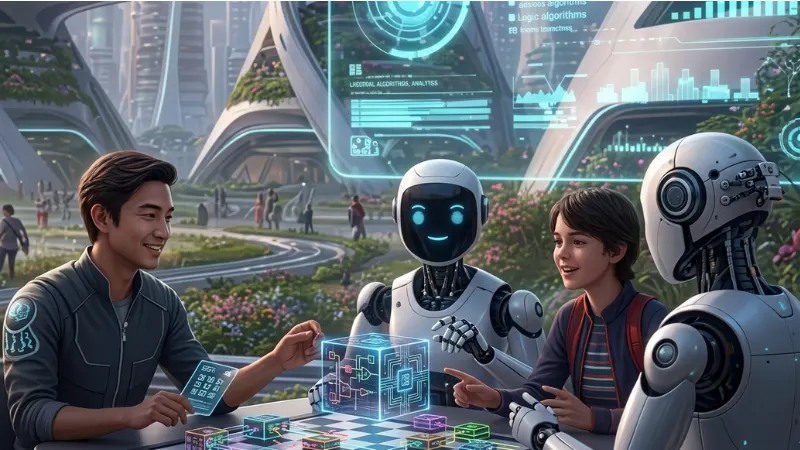
For marketers navigating an increasingly AI-mediated landscape, the message is clear: in a world flooded with machine-generated content, being human is becoming a differentiator.