
Content Syndication Goals: Leads, Pipeline or Awareness?
Learn how to choose the right content syndication goal: generating leads, building pipeline, or increasing awareness with B2B framework.


A question that bothers many of us working in B2B marketing is:
What Should Be the Main Goal of Content Syndication?
Content syndication goals usually fall into three categories: generating leads, influencing pipeline, or increasing brand awareness. The right goal depends on your business stage, sales cycle, and measurement approach. Most B2B companies should connect syndication activity to pipeline outcomes while using awareness and engagement signals to understand buyer interest.
Key Takeaways
- Content syndication is not just about collecting more contacts. It is about reaching the right buyers with useful content.
- Lead generation focuses on capturing interested prospects.
- Pipeline-focused syndication connects content engagement with sales opportunities.
- Awareness campaigns help brands enter buying conversations earlier.
- A broader strategy usually combines all three goals, but each campaign should have a clearly defined primary objective and measurement model. .
The Problem With Most Content Syndication Campaigns
A case we know all too well in B2B marketing.
A company spends weeks creating a valuable report, research paper, or industry guide. Then they distribute it through external channels and celebrate when hundreds of people download it.
The campaign looks successful. The dashboard is full of numbers.
Confetti? Hold that thought.
Because a few months later, sales asks the uncomfortable question:
Did this actually create opportunities?
That is where many content syndication campaigns struggle. The problem is not content syndication, it is launching campaigns without deciding what success really means.
A campaign designed to create awareness cannot be judged by the same metrics as a campaign designed to generate sales conversations.
Before choosing a syndication partner, channel, or asset, marketers need to answer one simple question:
Are we trying to create attention, capture demand, or influence revenue?
A well-defined B2B content syndication strategy helps businesses align their content assets, target audience, distribution channels, and success metrics before launching campaigns.
What Is Content Syndication?
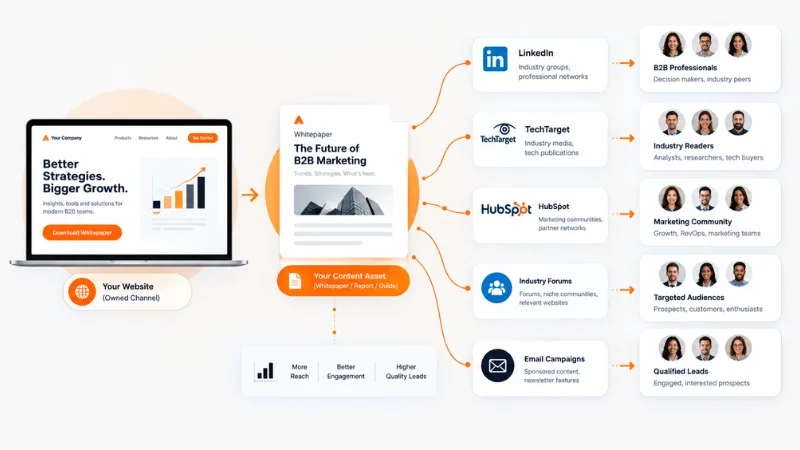
Content syndication is the practice of distributing your content through third-party platforms, publishers, communities, or industry networks to reach audiences beyond your owned channels.
Instead of waiting for prospects to discover your website, syndication helps your content appear where your target buyers are already researching.
For example:
A cybersecurity company publishes a report about ransomware trends.
Instead of only promoting it through email and social media, the company distributes the report through relevant B2B networks where security leaders are actively consuming industry research.
The goal is not simply more downloads, it is connecting valuable content with people who may eventually become customers.
If you want to understand how this fits into a broader acquisition strategy, explore our guide on B2B lead generation strategies.
Creating a detailed content syndication campaign brief can help marketing teams define campaign objectives, audience segments, content formats, and measurement goals for better execution.
The Three Main Content Syndication Goals Explained
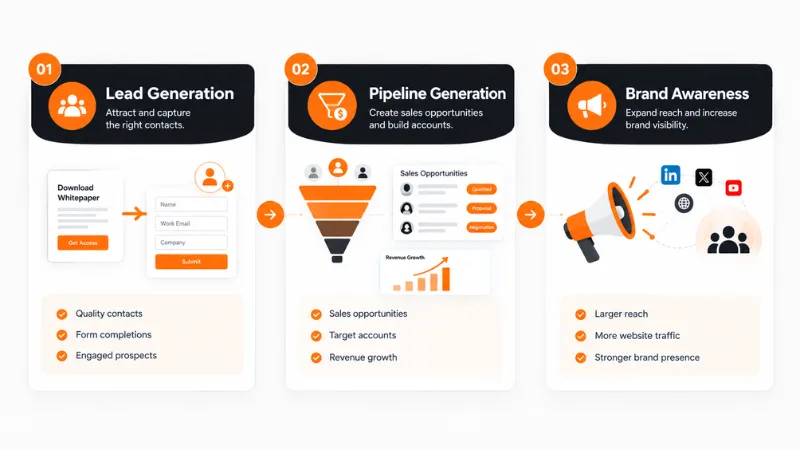
1. Lead Generation: Turning Content Into Conversations
Lead generation is the most common goal for content syndication.
The idea is simple:
Create valuable content → attract interested professionals → capture their information → nurture them.
This approach works well when your sales team needs a consistent flow of new prospects.
Valasys uses targeted B2B lead generation programs to identify sales opportunities by combining audience targeting, qualification, and follow-up processes. In one of the tech client campaigns, the program generated 619 near-term sales opportunities from qualified inquiries and achieved a reported 20:1 pipeline ROI.
Typical lead generation assets include:
| Content Type | Example |
| Whitepapers | Industry research reports |
| Ebooks | Detailed educational guides |
| Webinars | Expert discussions |
| Case studies | Customer success stories |
| Templates | Practical business resources |
However, collecting leads is only the beginning.
A large number of downloads does not automatically mean business value.
The important questions are:
- Did the leads match your ideal customer profile?
- Were they decision-makers?
- Did they show genuine buying interest?
- Did sales teams find them useful?
This is why lead quality matters more than lead quantity.
2. Pipeline Generation: Connecting Content to Revenue
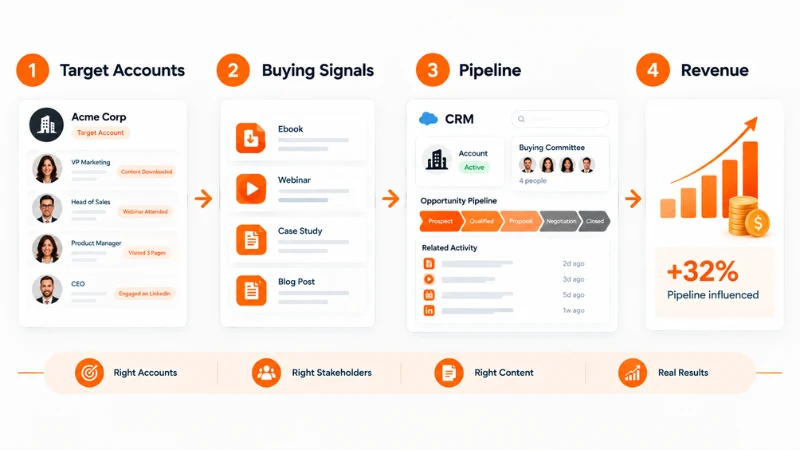
Pipeline-focused syndication goes one step further.
Instead of asking:
How many people downloaded our content?
you ask:
Which accounts showed buying signals after engaging with our content?
This approach connects marketing activity with sales outcomes.
For example:
A software company targets financial services companies.
Five employees from the same bank download a compliance report within a month.
That activity creates a stronger signal than a single anonymous download.
Pipeline-focused campaigns usually involve:
- Account tracking
- CRM integration
- Lead scoring
- Sales alignment
- Buyer journey analysis
Companies using account-based marketing (ABM) often prefer this approach because it focuses on specific accounts instead of broad audiences.
You can also explore our resource on ABM strategies for B2B growth to understand how targeted campaigns work.
Valasys case studies also demonstrate how structured qualification and targeted outreach can help connect marketing engagement with measurable sales outcomes. In one healthcare lead generation program, the campaign generated 115 near-term sales opportunities and reported a 37:1 pipeline ROI.
3. Awareness: Building Future Demand
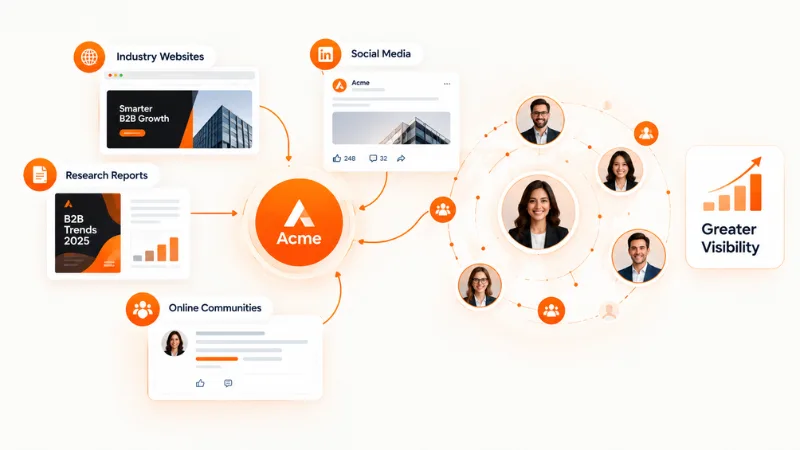
Awareness-focused syndication is about becoming visible before buyers are ready to purchase.
Many B2B buyers do not start their journey by contacting sales.
They research, compare options and consume educational content.
Awareness campaigns help brands become part of those early conversations.
Common awareness metrics include:

| Metric | What It Shows |
| Impressions | How many people saw your content |
| Brand searches | Whether interest increased |
| Website visits | Traffic impact |
| Engagement | Audience interaction |
Awareness is valuable, but it requires patience.
A person reading your research report today may not become a customer tomorrow.
They may remember your brand later when a business problem appears.
Leads vs Pipeline vs Awareness: Which Goal Should You Choose?
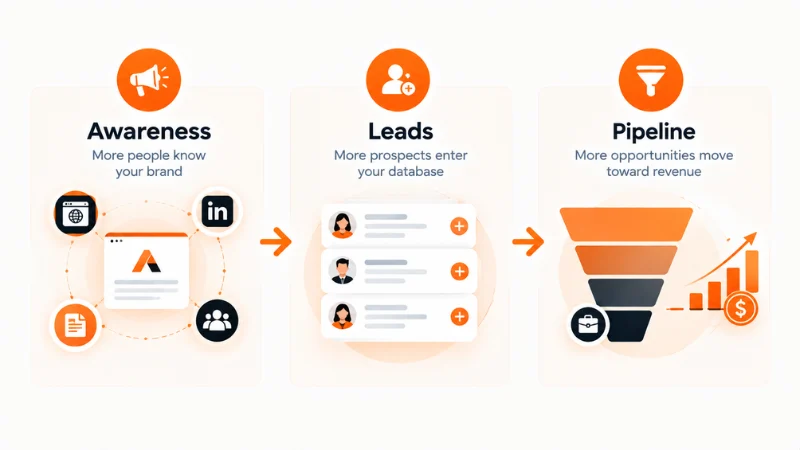
| Goal | Best For | Main Question | Key Metrics |
| Leads | Building prospect database | Who showed interest? | Leads, CPL, lead quality |
| Pipeline | Revenue-focused teams | Which accounts may buy? | Opportunities, conversion rate |
| Awareness | Market visibility | Are buyers noticing us? | Reach, engagement, brand growth |
There is no universal answer. The right choice depends on where your company is today.
A Practical Framework to Choose Your Content Syndication Goal
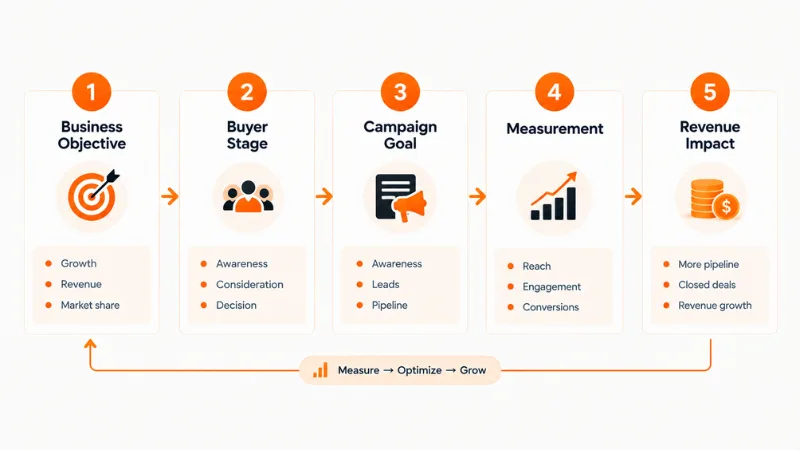
Step 1: Define Your Business Objective
Start with the business outcome.
Ask:
- Do we need more conversations?
- Are we entering a new market?
- Are we trying to influence existing accounts?
- Are we building category authority?
Your answer determines your campaign direction.
Step 2: Match Your Goal With Buyer Stage
| Buyer Stage | Best Syndication Goal |
| Early research | Awareness |
| Problem evaluation | Lead generation |
| Vendor comparison | Pipeline influence |
A common mistake is pushing sales-focused content to buyers who are still learning about a problem.
Step 3: Choose the Right Measurement Model
A campaign becomes easier to improve when measurement matches intent.
For example:
A brand awareness campaign should not fail because it did not immediately create sales opportunities.
A pipeline campaign should not be considered successful only because it generated thousands of downloads.
Measure what the campaign was built to achieve.
Step 4: Align Marketing and Sales
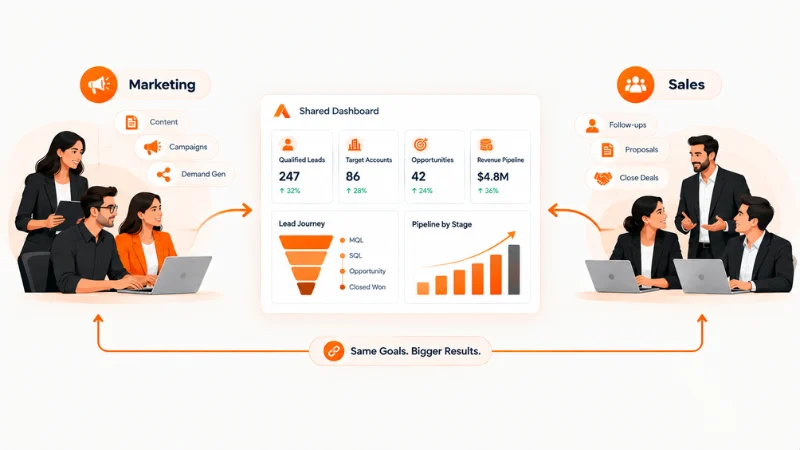
Content syndication works best when both teams agree on:
- What makes a qualified lead
- Which accounts matter
- How quickly leads should be followed up
- What signals indicate buying interest
Without alignment, marketing celebrates downloads while sales sees irrelevant contacts.
Common Content Syndication Mistakes
Mistake 1: Chasing Volume Instead of Quality
More leads do not always mean better results.
Fix: Define your ideal audience before launching.
Mistake 2: Measuring Only Top-Funnel Metrics
Downloads and impressions provide visibility but not always revenue impact.
Fix: Connect campaigns with CRM and sales outcomes.
Mistake 3: Using the Same Goal for Every Campaign
A research report and a product comparison guide serve different purposes.
Fix: Match the content format with the buyer stage.
Content Syndication Checklist
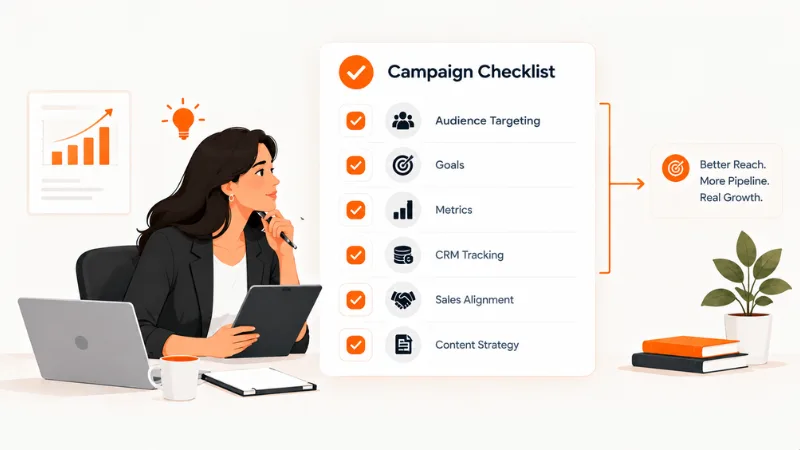
Before launching a campaign, check:
- Target audience defined
- Buyer stage identified
- Campaign goal selected
- Success metrics decided
- Sales follow-up process ready
- CRM tracking implemented
- Content matches audience needs
Building a content syndication campaign but unsure whether to optimize for leads or pipeline? Review your buyer journey and identify the goal that best aligns with your revenue stage. Explore our B2B content syndication strategy →
Tools and Best Practices That Improve Syndication Performance
Useful components include:
- CRM platforms for tracking conversion
- Marketing automation tools for nurturing
- Analytics platforms for measuring engagement
- Lead scoring systems for prioritization
The technology matters, but the strategy comes first.
A poorly defined campaign with advanced tools will still produce poor results.
Need help building a measurable B2B demand generation strategy? Explore our content syndication services to connect content engagement with qualified leads, pipeline, and revenue outcomes.
Content Syndication Is Not About More Downloads
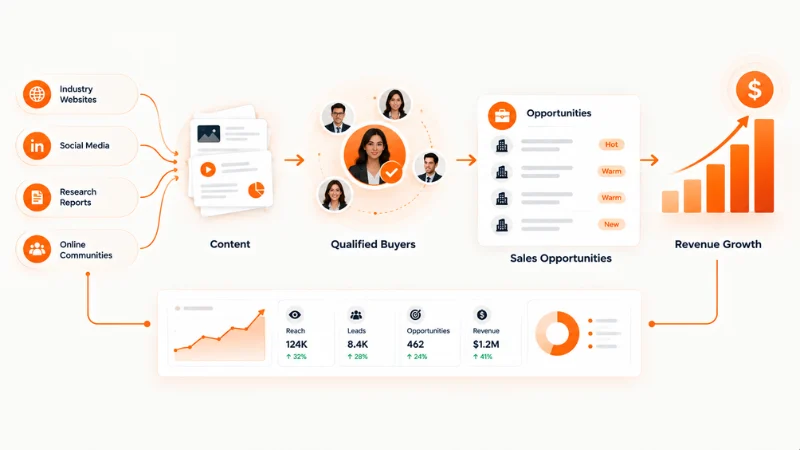
The biggest mistake marketers make is treating content syndication as a distribution tactic.
It is not a syndication, it is a connection strategy.
The right campaign connects the right content with the right buyers at the right moment.
Sometimes that means creating awareness. Sometimes it means generating qualified leads. And sometimes it means influencing accounts already in the buying process.
The goal is not simply getting more people to consume your content.
The goal is making sure the right people remember your brand when the buying decision arrives.
Frequently Asked Questions:
1. What is the main goal of content syndication?
The main goal of content syndication is to distribute valuable content to relevant audiences outside your owned channels. Companies use it for lead generation, pipeline influence, or brand awareness depending on their business objectives.
2. Is content syndication only used for lead generation?
No. Content syndication can support awareness, demand generation, account-based marketing, and pipeline creation. Lead generation is only one possible objective.
3. How do you measure content syndication success?
Measurement depends on the campaign goal. Lead campaigns may focus on lead quality and cost per lead, while pipeline campaigns focus on opportunities and revenue influence.
4. What type of content works best for syndication?
Research reports, whitepapers, webinars, industry guides, and educational resources usually perform well because they provide value before asking buyers to make a purchase decision.
5. How is content syndication different from content marketing?
Content marketing creates and distributes valuable content through owned channels. Content syndication extends that reach by distributing content through external platforms and networks.
6. Should B2B companies focus on leads or pipeline from syndication?
The answer depends on business goals, sales cycle, and measurement maturity. Companies should choose the goal that matches their current growth priorities and ability to track outcomes.